
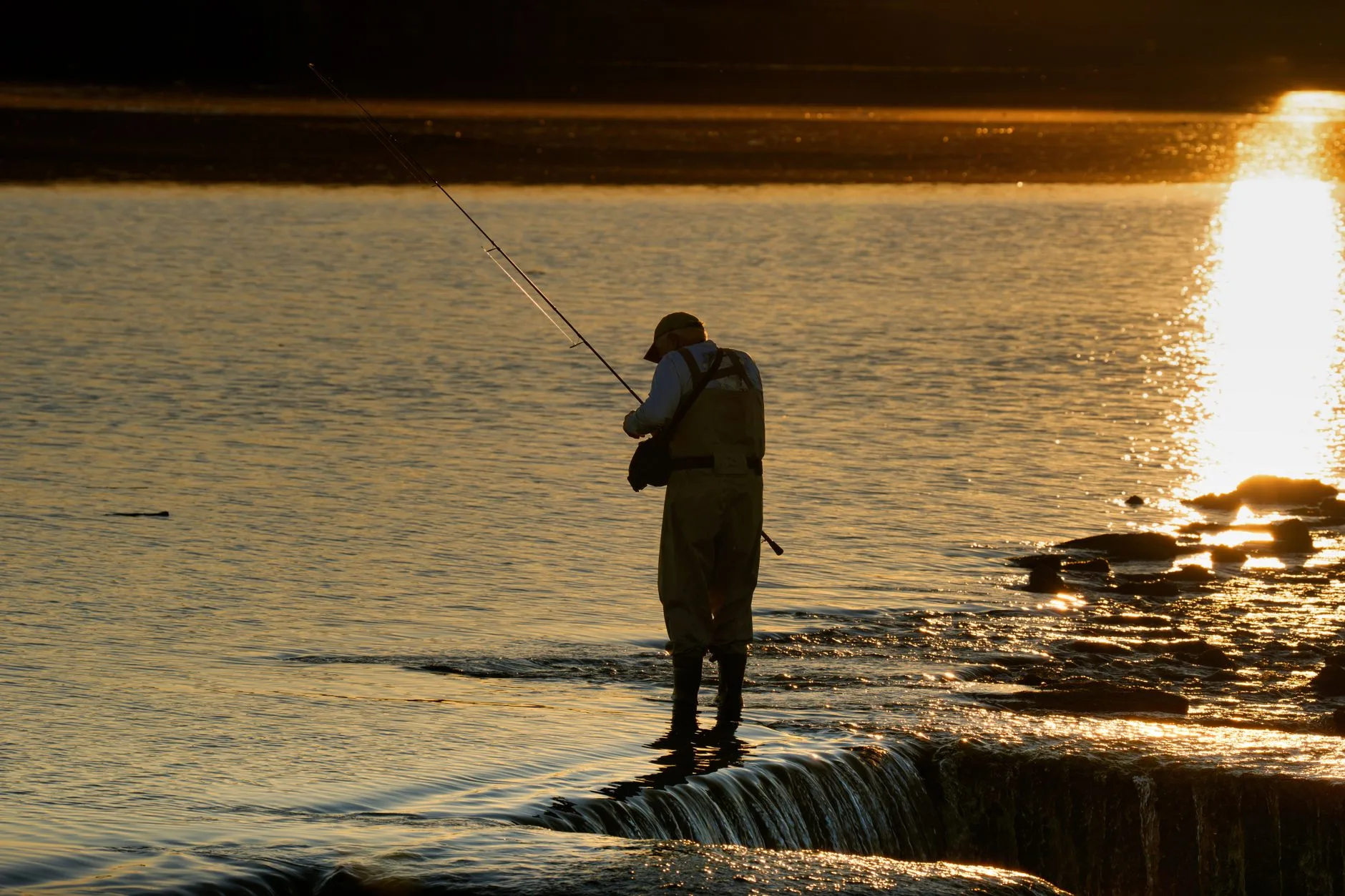
If you haven’t fished the Kootenai below Libby Dam lately, you’re missing one of northwest Montana’s most underrated tailwater fisheries — and right now, conditions are worth paying attention to. Flow releases from the dam are dictating everything this season, and anglers who understand how to read that relationship are putting fish in the net consistently. Here’s what you need to know before you load the truck.
Current Flow Conditions and What They Mean for Anglers
The Kootenai River’s personality is almost entirely shaped by Libby Dam, operated by the U.S. Army Corps of Engineers. Flows are currently running in the 8,000–11,000 cfs range depending on the day — higher than ideal for wade fishing, but very fishable from a drift boat or raft in the canyon section. Always check the Bureau of Reclamation’s real-time data or the USGS gauge at Libby before you commit to a stretch.
When flows drop below 7,500 cfs, the wade fishing between the Kootenai Falls Wildlife Management Area and the bridge at Troy opens up significantly. That stretch holds some of the river’s biggest rainbows and bull trout — species that demand serious attention from Montana FWP regulations standpoint. Bull trout are catch-and-release only, period. Know what you’re looking at before you put it in the net.
The coldest, clearest water — and the most consistent dry-fly fishing — is found in the roughly 2-mile reach immediately below the dam. Tailwater temperatures here stay in the low-to-mid 40s even in summer, which keeps fish active but also means your hands are going to hurt on an early morning wade-in. Bring neoprene gloves if you’re heading out before 9 a.m.
Hatch Activity, Best Flies, and What’s Working Right Now
The Kootenai’s hatch calendar runs a little later than most Montana rivers due to those cold tailwater temps. Right now, anglers are reporting solid midge activity through the morning hours — Zebra Midges and Mercury Blood Midges in sizes 20–22 are the go-to subsurface offerings. Don’t sleep on a small Pheasant Tail dropper underneath a midge cluster dry.
Blue-winged olives are beginning to show in the afternoons when cloud cover rolls in — which in Lincoln County this time of year is more often than not. A size 18–20 Parachute Adams or Sparkle Dun matched to whatever’s coming off the water will get eats. The fish in the Kootenai see pressure, but they’re not impossibly spooky if you approach runs low and cast upstream.
For mountain whitefish — and the Kootenai has plenty of them — small nymphs fished deep are consistently effective. A #16 Hare’s Ear or a beadhead Caddis Pupa bounced along the bottom in slower pools will keep your rod bent on slower dry-fly days. Whitefish are underappreciated table fare and a genuinely fun fishery on light tippet. Montana FWP’s standard whitefish limit is 20 daily and 40 in possession, and some reaches have restricted open seasons — check your current regulations booklet for the specific section you’re fishing.
Spin anglers doing well on rainbows have been working small Panther Martins and inline spinners in gold or silver through the runs just below Libby. Keep lure weights light to stay above the snag-heavy bottom and work the seams where fast water meets slower pools.
Best Access Points and Local Guide Tips
The most reliable public access points on the Kootenai include:
- Below Libby Dam (Howard Lake Road): The easiest put-in for drift boats and the most consistent dry-fly water. Parking is limited — arrive early, especially on weekends.
- Kootenai Falls Swinging Bridge Area: Off U.S. Highway 2 between Libby and Troy. Good bank access, dramatic scenery, and productive pocket water above and below the falls. The falls themselves are sacred to the Kootenai Tribe of Idaho — respect the area accordingly.
- Troy Bridge Access: A solid take-out for drift boat floats and accessible wade water downstream. The river widens here and slows — good for working streamer patterns tight to the bank on overcast afternoons.
Local guides operating out of Libby consistently emphasize one thing above all else: presentation beats pattern on the Kootenai. These fish see a lot of flies. Dead-drifting your nymph at the exact depth of the fish — not six inches above them — is the difference between a slow day and a great one. Use a longer leader (12–14 feet) and fluorocarbon tippet in 5X or 6X for the clearer, low-flow conditions near the dam.
If you want a guided float, a handful of outfitters based in Libby run the canyon section regularly. Montana FWP’s licensed outfitter database is the right place to verify credentials before you book.
The Kootenai doesn’t get the national press that the Missouri or Madison pulls — and that’s honestly part of its appeal. Keep an eye on flows, match the hatch, and you’ve got legitimate shot at some of the best tailwater fishing in the northwest corner of the state. We’ll update this report as conditions change.
Editor’s note: Corrected the whitefish regulation: Montana’s standard limit is 20 daily and 40 in possession (not ‘no bag limit’), and some Kootenai reaches have restricted seasons.
Montana's outdoor week, in your inbox at 7am Friday.