
Montana Fish, Wildlife & Parks.
Read the original release →
Nov 6, 2026 12:48 PM
HELENA – That mallard you just dropped over the decoys looks healthy. Doesn’t mean it is. Highly pathogenic avian influenza (HPAI) is still circulating in Montana, and FWP staff have fielded several calls from bird hunters and other folks afloat or afield who’ve spotted sick-looking wildlife. Here’s the catch: animals carrying HPAI don’t always show a thing.
HPAI is a naturally occurring virus, and it’s extremely infectious. It’s fatal to poultry and to some wild birds and mammals. It first turned up in Montana’s wild birds and domestic poultry in spring 2022. Symptoms include respiratory distress, weakness, lack of coordination, seizures and death. Plenty of the time, though, affected birds are simply found dead. No warning at all.
So handle every bird like it matters. If you find a sick or dead bird, steer clear when you can. If you’ve got to move a dead animal for disposal, wear gloves, even when you don’t suspect a contagious disease. Honestly, that’s just good habit, and it costs you a few bucks for a box of nitrile.
Here in Montana, various duck species are the most likely to carry the virus without symptoms. Geese and raptors have been the wild birds most often dying from it. If you’re hunting the Missouri Breaks reservoirs or working the potholes up on the Hi-Line, that’s worth keeping in the back of your mind.
Bird hunters should follow these simple precautions when processing or handling wild game:
-
Don’t harvest or handle wild birds that are obviously sick or found dead.
-
Keep dogs away from sick or dead waterfowl, and don’t feed raw scraps to domestic animals.
-
Wear disposable latex or rubber gloves while cleaning game or cleaning bird feeders.
-
Clean game birds outdoors in a well-ventilated area.
-
Don’t eat, drink or smoke while cleaning game.
-
Avoid contact between people, equipment and materials that have been around wild birds and backyard poultry flocks, so you don’t carry the virus back to your own flock.
-
Wash hands with soap and water or alcohol wipes right after handling game or cleaning bird feeders.
-
Wash tools and work surfaces used to clean game birds with soap and water, then disinfect with a 10 percent solution of chlorine bleach—one part bleach to 10 parts water.
-
Separate raw meat, and anything it touches, from cooked or ready-to-eat foods to avoid contamination.
-
Cook game meat thoroughly to an internal temperature of at least 165°F.
If you keep chickens or other poultry, keep wild birds and your flock apart. Don’t hang bird feeders near the coop, and clean those feeders regularly with that same 10 percent bleach solution, gloves on. For more on poultry biosecurity, visit www.aphis.usda.gov/aphis/ourfocus/animalhealth/animal-disease-information/avian/defend-the-flock-program/dtf-resources/dtf-resources.
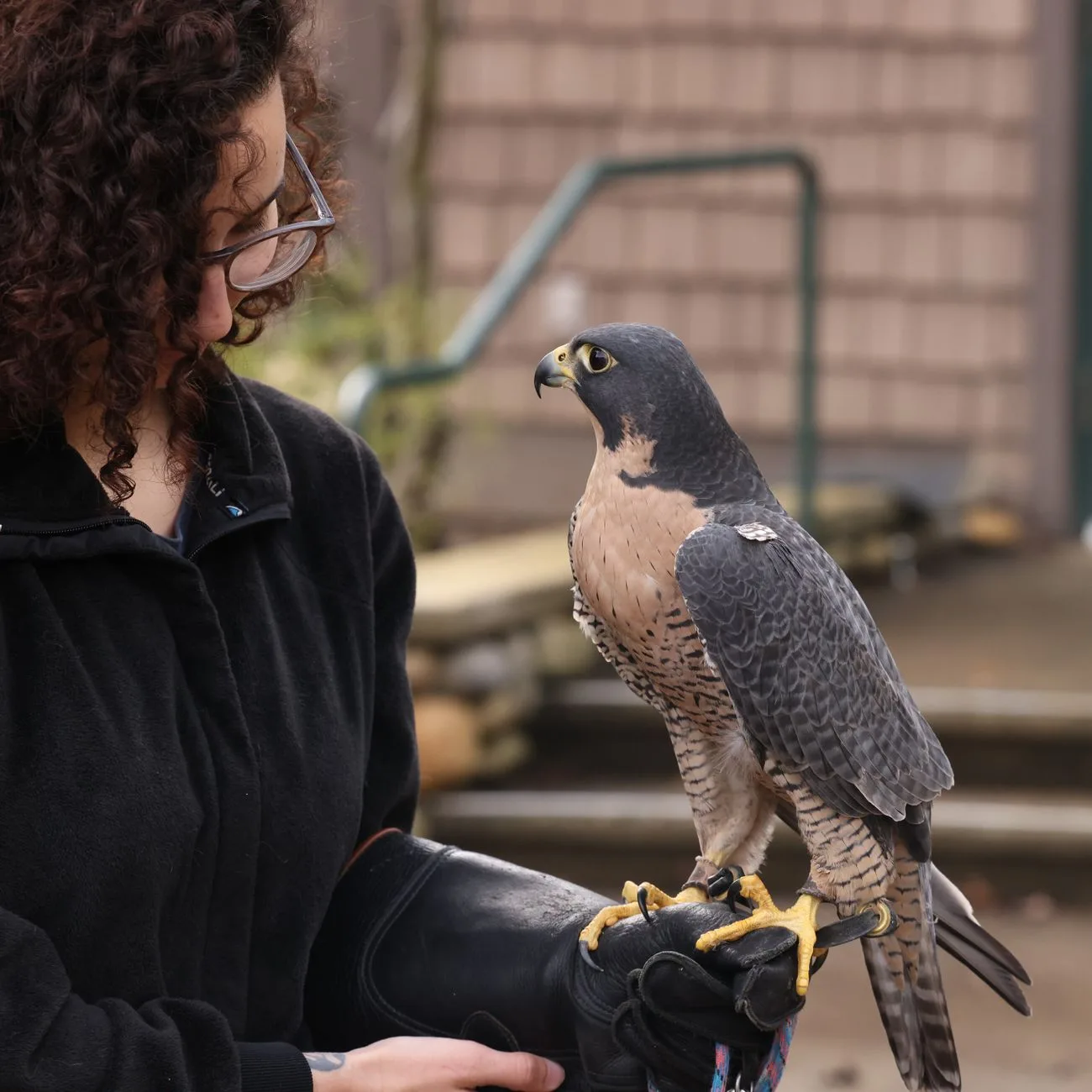
Falconers, this one’s for you. Raptors are susceptible to HPAI, and they typically get exposed by eating infected birds. If you ask me, the smart play during an outbreak is to skip hunting or feeding wild birds, waterfowl especially, to your falcons. Tighten up your biosecurity, clean thoroughly, and limit contact with wild birds or birds from other facilities. If a falcon gets sick, call a veterinarian promptly and quarantine that bird from the others in your facility.
For more information on HPAI in wild birds, visit fwp.mt.gov/conservation/diseases/avian-influenza, or check the USGS website at www.usgs.gov/centers/nwhc/science/avian-influenza-surveillance. For information on HPAI in humans, visit the CDC website at www.cdc.gov/bird-flu/prevention/hpai-interim-recommendations.html.
Press release courtesy of
Montana Fish, Wildlife & Parks News.
Montana Outdoor republishes FWP press releases to keep our readers informed about official wildlife and fisheries news from the state agency.
Montana's outdoor week, in your inbox at 7am Friday.