
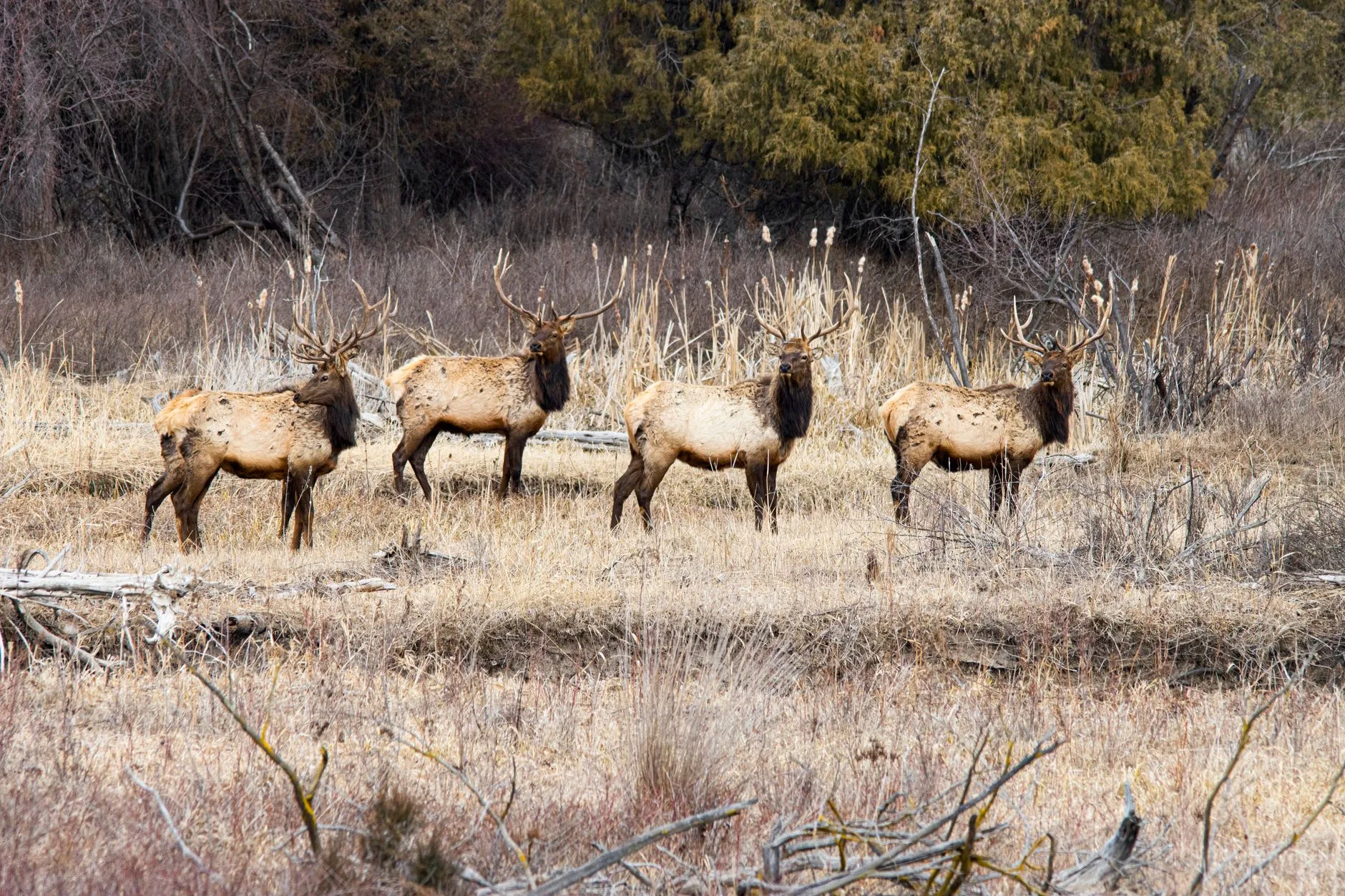
Poaching stories don’t usually make national headlines, but this one out of the Whitefish area is the kind that stops you cold — not just because of the scale of it, but because of the sheer waste. We’re talking about more than 20 mature bucks shot and left to rot in the woods. No meat taken. No tags. Just dead deer and one man who apparently thought he could get away with it. The Wildlands channel on YouTube dug into the case, and it’s well worth your time.
For those of us who hunt northwest Montana, this one hits different. The Flathead Valley and the country surrounding Whitefish — the Stillwater State Forest, the Whitefish Range, the public ground spilling off toward Glacier — holds some of the best whitetail and mule deer habitat in the state. It’s also the kind of terrain where a poacher can slip in and out without drawing attention, especially in the thick timber between logging roads. Montana Fish, Wildlife & Parks game wardens already cover enormous districts with limited manpower. That’s exactly why cases like this depend so heavily on tips from the public, and why Turn in Poachers (TIP) — reachable at 1-800-TIP-MONT — is one of the most effective tools hunters have.
Forty-eight charges for one individual. Let that number sink in. Under Montana law, unlawful killing of big game can carry fines upward of $10,000 per animal, plus restitution values set by FWP that factor in the biological and recreational loss to the public. Deer taken without a license or out of season aren’t just stolen from the state in some abstract sense — they’re stolen from every hunter who put in for a tag, scouted through the summer heat, and played by the rules. When mature bucks are systematically removed from a population and left to decompose, the ripple effects on local herd genetics and age structure can take years to recover from.
The video does a solid job of telling this story from the community angle — how a small Montana town responded, how investigators pieced it together, and what the consequences looked like. It’s the kind of storytelling that reminds you game wardens are doing serious law enforcement work in some very remote places. If you’re headed into the Whitefish country this fall for whitetail or muleys, watch this first. And if you ever see something that doesn’t sit right out there in the field — a gut pile with no tag, a truck parked somewhere it shouldn’t be at 2 a.m. — make the call. It matters more than most people realize.
Montana's outdoor week, in your inbox at 7am Friday.