
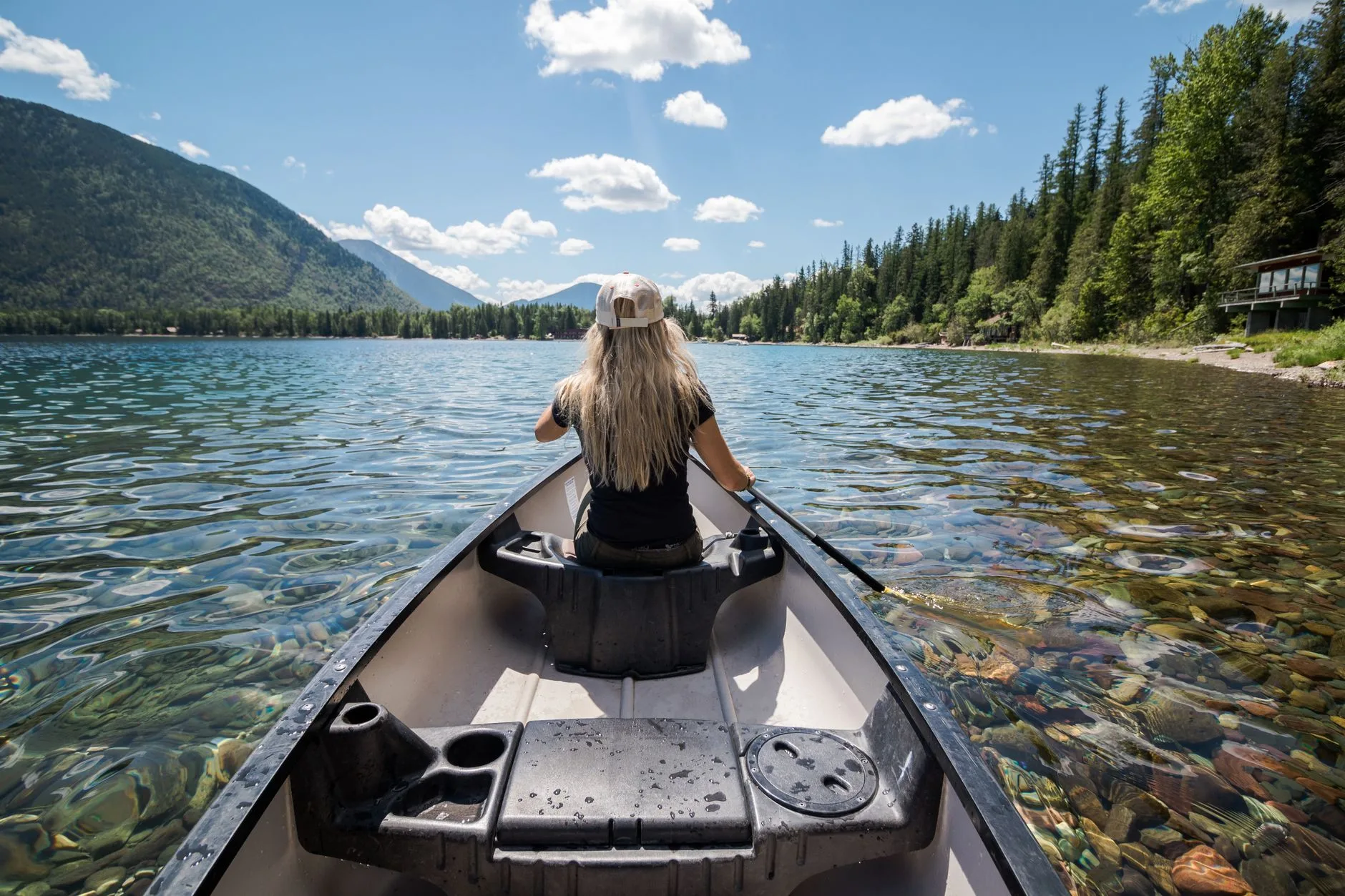
The Smith River doesn’t give itself up easily. That’s part of the deal, and honestly, part of the appeal. Montana Fish, Wildlife & Parks manages the 59-mile permitted corridor from Camp Baker to Eden Bridge as one of the most tightly controlled — and most coveted — float experiences in the American West. If you’ve been sleeping on the permit lottery, YouTuber Byron Watson’s Day 1 footage from his recent five-day float is a pretty convincing alarm clock.
The Permit Lottery: How It Works and When to Apply
Every year, Montana FWP opens the Smith River permit lottery in January for the following spring and early summer float season. Launch dates run from early May through mid-July, with the most competitive windows falling in late May and early June when flows tend to be ideal and the canyon is at its most dramatic. Applications are submitted online through FWP’s reservation system, and each application covers a specific launch date. You can apply for multiple dates, which is worth doing — your odds improve, and frankly, any week on the Smith is a good week.
The fee structure is straightforward: there’s a non-refundable application fee per party, and if you draw a permit, you’ll pay an additional launch fee. Groups are limited in size, and FWP caps the number of launches per day to protect both the resource and the experience. This isn’t a river where you want crowds, and the permit system is exactly why you won’t find them. If you don’t draw your preferred dates in the main lottery, keep an eye on the FWP portal — cancellations do open up, especially as the season progresses and early-summer flows become less predictable.
The Float Itself: 59 Miles of Commitment
Camp Baker, northeast of White Sulphur Springs in Meagher County, is where every permitted trip begins. From there, the river winds through a remote limestone canyon with walls that top out over 1,000 feet in places. There are no roads paralleling this stretch, no cell service, and no easy exits once you push off. You’re looking at five to six days on the water depending on your pace, flow conditions, and how seriously you take the fishing — which, if you’re doing it right, should be very seriously.
The river drops out at Eden Bridge, roughly 59 miles downstream. Along the way, FWP maintains designated campsites that permit holders are required to use. These aren’t backcountry bushwhack spots — they’re established sites with fire rings and outhouses, spaced to keep impact manageable across a season of heavy use. Leave No Trace practices aren’t optional here; FWP takes resource protection on the Smith seriously and trip leaders are accountable for their group’s footprint.
Water Levels Matter More Than Almost Anything Else
If there’s one variable that will define your Smith River trip more than any other, it’s flows. Check the USGS gauge at the Camp Baker station before your trip and keep checking it in the days leading up to launch. Ideal floating typically falls somewhere between 300 and 1,500 cubic feet per second. Below that, you’re dragging your boat through riffles and picking lines around exposed gravel bars. Above it — particularly in high-runoff years when the Smith can blow out well past 3,000 cfs — the canyon gets technical fast, debris enters the picture, and the fishing shuts down as visibility drops to zero. Spring 2022 was a good reminder of what a blown-out Smith looks like. Know what you’re floating into before you go.
The Fishing: Brown Trout and Why This River Has a Reputation
The Smith River’s wild brown trout fishery is the engine behind most of this permit competition. Browns in the canyon average a respectable size, with fish pushing 18 inches not uncommon for experienced anglers working the right water at the right time. Dry fly fishing can be exceptional during spring caddis and PMD hatches. Streamer fishing holds up well through the full float season, especially in off-color water early in the year. In the permitted corridor from Camp Baker Bridge to Eden Bridge, the trout limit is restricted to a protective slot — 3 fish under 13 inches daily and in possession, and only 1 over 22 inches daily and in possession — with artificial lures only (except anglers 14 and younger may use bait), and that regulation has done exactly what it’s supposed to — kept the fishery healthy under sustained pressure year after year.
If you’ve never floated the Smith and you’ve been waiting for a reason to finally apply, Watson’s series is your reason. Get into the FWP lottery system, put in for multiple dates, and give yourself a real shot at one of Montana’s genuinely irreplaceable experiences.
Editor’s note: Corrected the Smith River trout regulation: the permitted corridor is not catch-and-release for brown trout — it has a slot limit (3 under 13 inches and 1 over 22 inches daily/in possession, artificial lures only).
Montana's outdoor week, in your inbox at 7am Friday.