
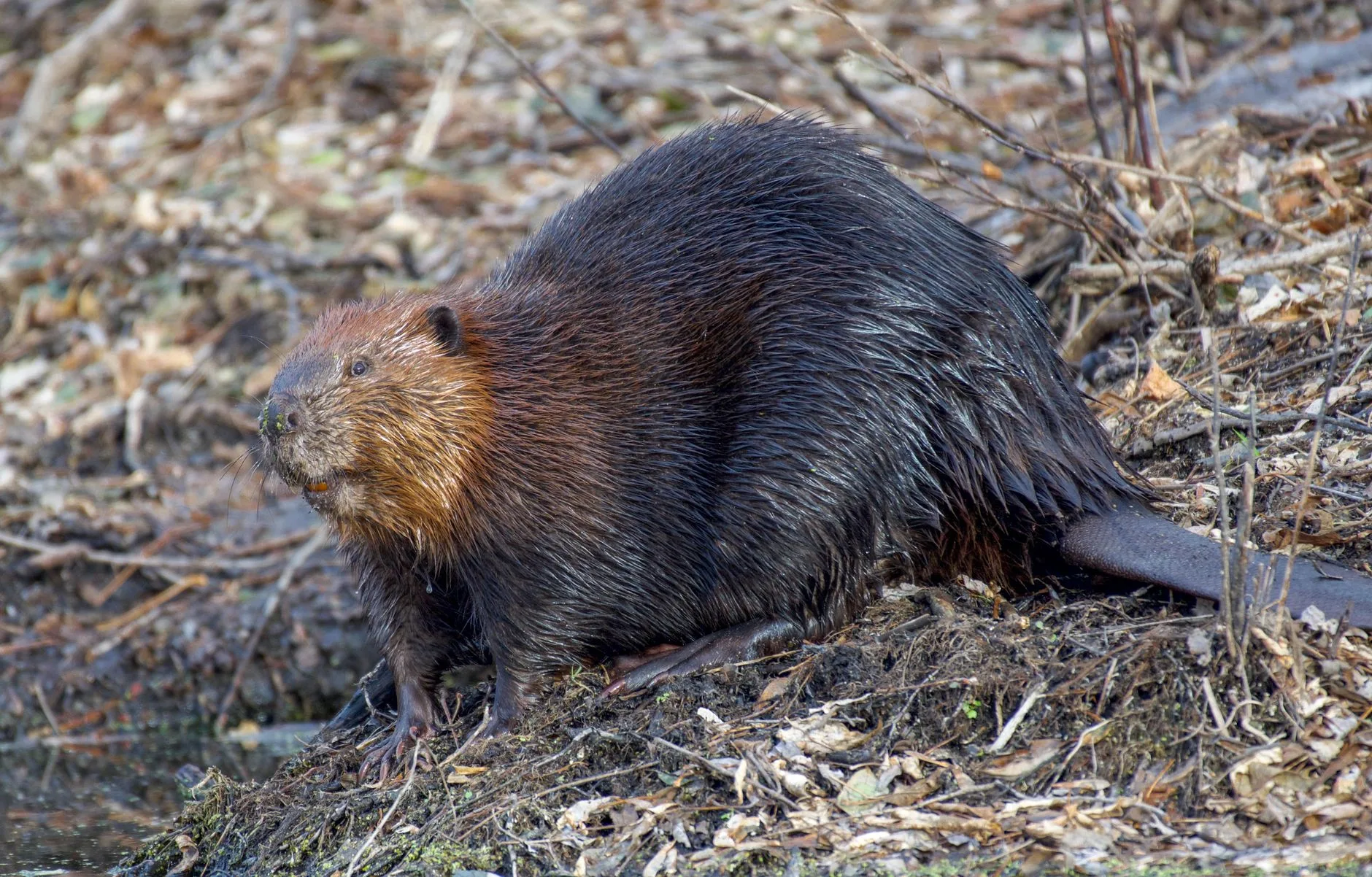
If you’ve spent any time along Montana’s irrigation ditches or private creek bottoms, you already know the problem: beavers don’t ask permission. They flood hay fields, plug culverts, and drop cottonwoods across fence lines with zero regard for property lines or anyone’s spring planting schedule. Montana FWP has been navigating that tension for years — and their solution is smarter than a trap and a body of water. They move the beavers somewhere they can actually do some good.
This video from Montana FWP pulls back the curtain on the state’s Beaver Transplant Program, which relocates nuisance beavers from conflict areas — think flooded agricultural land near places like the Flathead Valley or the Beaverhead — to degraded stream corridors where their engineering instincts are desperately needed. It’s a genuinely elegant piece of wildlife management. Beaver dams raise the water table, slow runoff, reduce erosion, and create the kind of deep, cold, pooled water that native westslope cutthroat and bull trout thrive in. In a state where drought years hammer our smaller drainages harder every decade, that’s not a minor benefit — it’s the difference between a living creek and a dry gravel bar by August.
For hunters and anglers, this program has real, on-the-ground consequences worth paying attention to. Restored riparian corridors mean better moose habitat along creek bottoms, improved waterfowl wetlands on public land, and healthier tributary streams feeding the rivers you’re already fishing. Montana’s Clark Fork, Missouri headwaters, and countless smaller drainages on Forest Service and BLM ground have stretches that would benefit enormously from a family of motivated beavers doing what beavers do for free. The transplant program essentially turbocharges passive restoration in places where reseeding and erosion control alone would take decades to show results.
Worth noting: Montana does maintain a regulated beaver trapping season, typically running through winter, and conflict beavers on private land can be dealt with under specific FWP guidelines. But the transplant program represents the smarter first option — moving the animal rather than removing it permanently. If you’re a landowner dealing with beaver conflict, or just someone curious about how FWP stretches limited conservation dollars by working with nature instead of against it, this video is worth fifteen minutes of your time. The habitat payoff downstream — sometimes literally downstream from where you elk hunt or float a drift boat — is bigger than most people realize.
Montana's outdoor week, in your inbox at 7am Friday.