
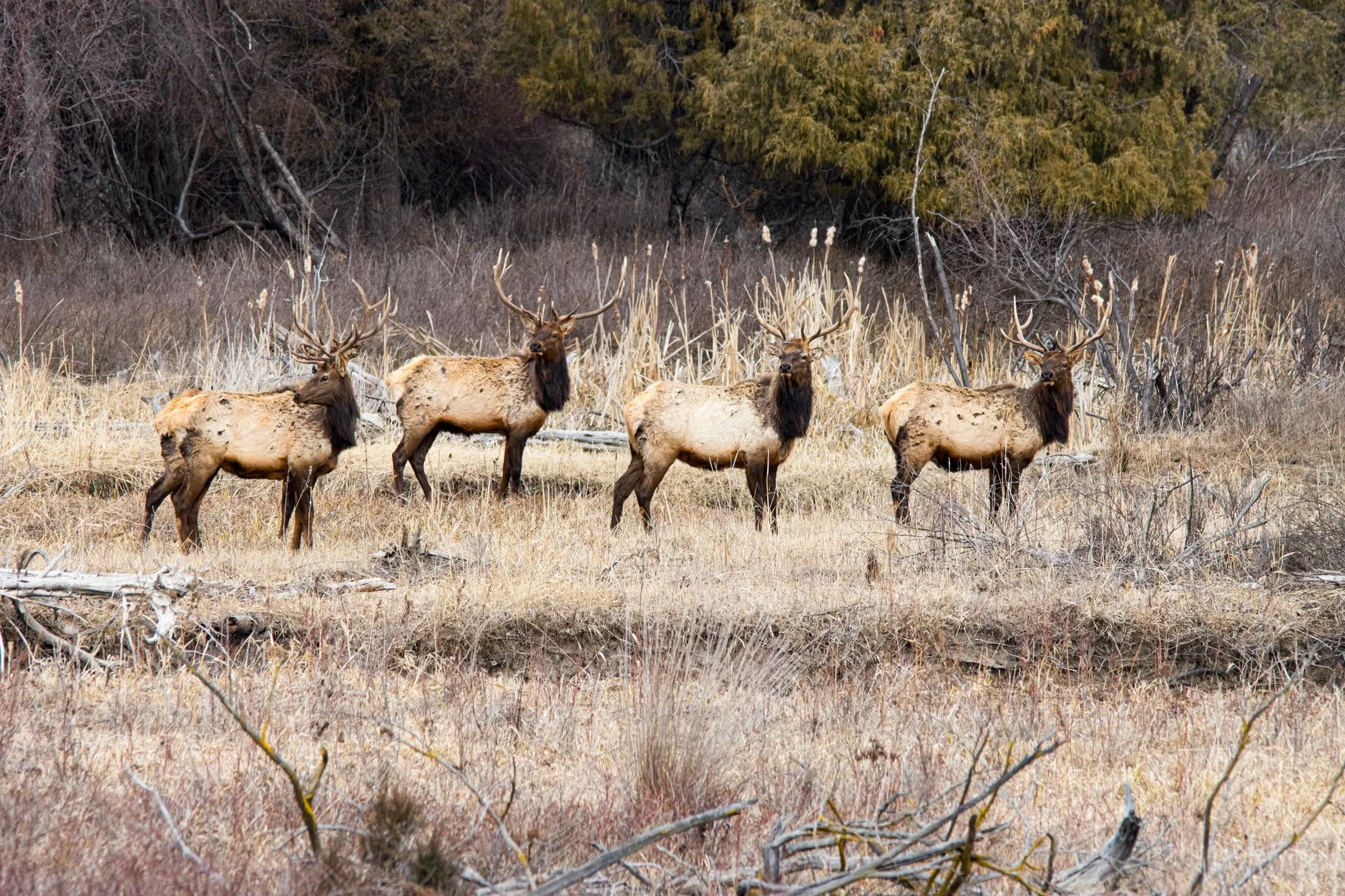
If you’ve ever pulled up to a trailhead and felt your stomach drop — maybe a clearcut where timber used to stand wall-to-wall, or a road punched into country that was roadless last year — then this video is going to hit close to home. The crew over at 26-46 Outdoors faced exactly that situation heading into the upcoming Montana elk season. A winter of aggressive logging without much snow to shut operations down meant one of their reliable elk areas got hammered. Rather than sulk about it, they did what any serious hunter should do: they went and found new ground.
This is a story Montana hunters know well, and it’s worth talking about honestly. Timber harvest on public land — whether it’s Forest Service ground or state land managed by DNRC — isn’t going away. Logging activity across western Montana has ramped up in recent years, driven by a combination of fire mitigation policy, timber industry contracts, and dry winters that keep equipment rolling longer into the season. That’s not inherently a bad thing for elk long-term; elk actually thrive in early successional habitat and love forest edges once the slash settles and the brush grows back in. Think about how productive a five-year-old burn can be. Fresh clearcuts work the same way eventually. But in the short window right after harvest? The elk move. Sometimes they move a lot. Counting on a spot that looked great in your OnX layers from three years ago can burn you hard if you haven’t ground-truthed it recently.
Where Do Displaced Elk Actually Go?
That’s the question worth spending some time on before the general rifle season opens — late October for most of Montana’s elk hunters, with some districts running into November depending on your region and permit type. Elk that get pushed out of a familiar drainage don’t just evaporate. They relocate to adjacent terrain, often to higher, more remote country that hunters haven’t pressured in years precisely because the old spot was so reliable. In western Montana, that often means pushing toward the upper reaches of drainages feeding into rivers like the Clark Fork, the Bitterroot, the Blackfoot, or the North Fork of the Flathead. If a mid-elevation bench got logged out, look hard at the north-facing slopes a thousand feet above it — timber that’s still intact, water close by, and security cover that suddenly looks a lot more attractive to a herd that just got pushed.
On the eastern front, where elk move between the mountains and the prairie edges in places like the Judith Basin or the breaks along the Missouri River, habitat disruption works a little differently. Elk there are already working smaller timber patches and coulees. Lose one patch to harvest or road access and they often shift to the next drainage over, sometimes pushing onto adjacent private land in the process. That’s worth knowing before you burn a day hiking into a spot that’s now empty.
Practical Scouting Steps When Your Spot Gets Logged
Here’s what’s actually worth doing if you show up to find your reliable area has been worked over:
- Pull current aerial imagery, not just topo. OnX and Gaia both update satellite layers periodically, but Google Earth’s historical imagery tool lets you flip back through years of coverage and spot exactly when a cut happened and how extensive it is. Do this at home before you drive four hours to a trailhead.
- Check DNRC and Forest Service timber sale records. Both agencies publish active and recent timber sales. The Lolo, Bitterroot, Flathead, and Helena-Lewis and Clark National Forests all post sale boundaries online. Knowing where the active cuts are — and where the next sales are planned — lets you think ahead rather than react.
- Look for the pinch points between old habitat and new cover. Elk moving out of logged ground still need to travel corridors. Saddles, creek drainages, and ridge fingers connecting undisturbed timber to the cut unit are worth glassing hard during early season scouting. That transition edge is where you’ll often find animals still working the familiar country at the margins.
- Add miles to your scouting budget. If your spot got hit, assume every other hunter who knew about it is now competing for the same adjacent terrain. The ones willing to go a ridge further than feels comfortable are the ones who’ll find the elk that relocated without company.
- Verify road and access status before you go. Active timber operations often come with temporary road closures or seasonal restrictions under Forest Service Travel Management rules. Montana FWP’s access viewer and the individual forest’s motor vehicle use maps will tell you what’s open. Getting turned back at a gate after a long drive is avoidable.
The Opportunity Inside the Frustration
What makes this video worth your time is the mindset behind it. Scouting new country mid-summer with a logging disruption as the forcing function is actually smart hunting — it pushes you off the spots you’ve grown comfortable with and into terrain that may not have seen serious pressure in years. There’s a real opportunity buried inside that frustration, and this video documents the process of finding it honestly: boots on the ground, topo maps, and a willingness to put in extra miles before the season opens.
If your own scouting has turned up any surprises this summer — roads where there weren’t roads, clearcuts where there was canopy — take it as a signal, not a setback. Pull up the surrounding terrain, look for north-facing slopes with water and security cover, and go walk it. Montana has no shortage of mountains. The elk had to go somewhere.
Montana's outdoor week, in your inbox at 7am Friday.