
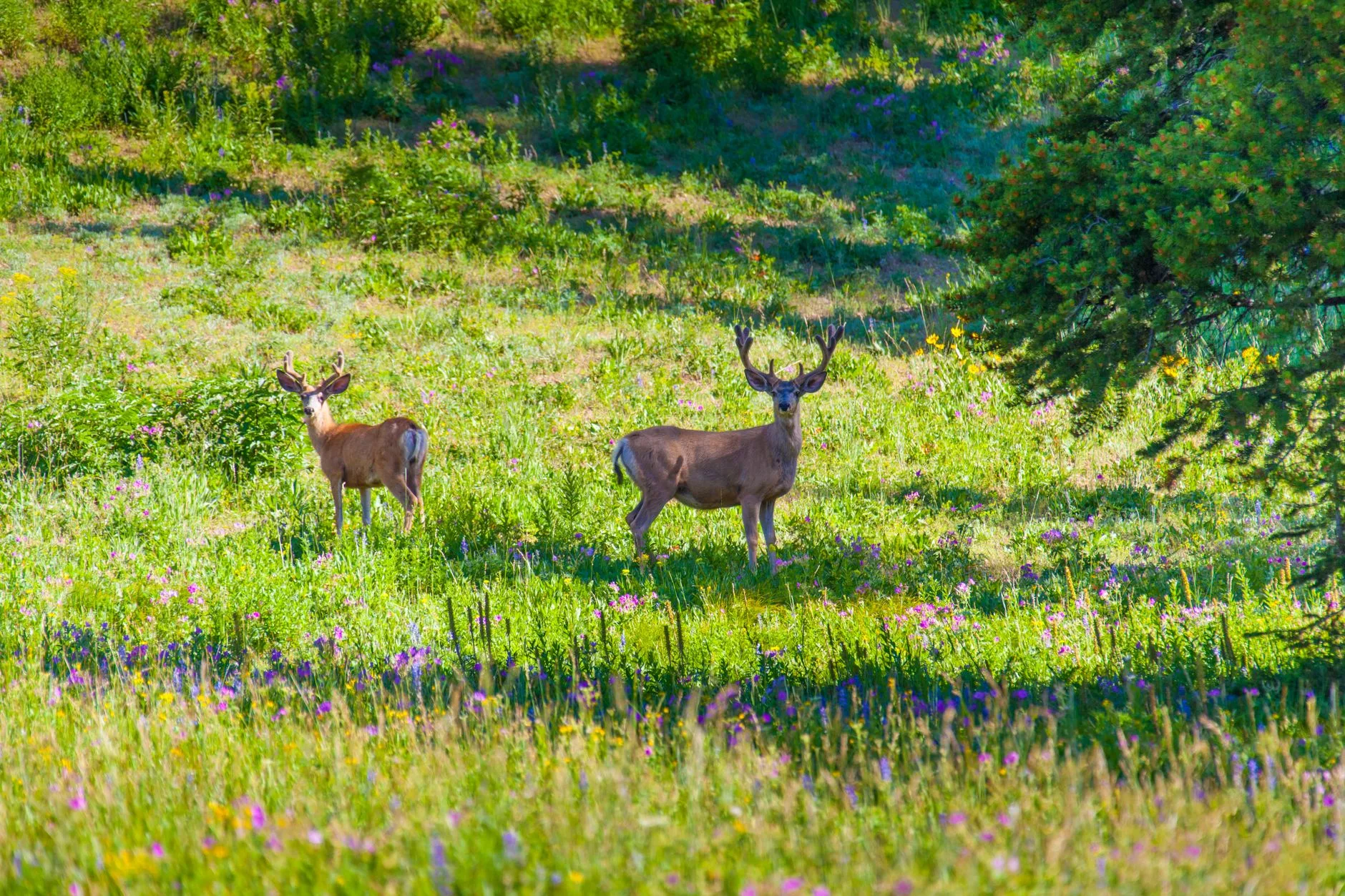
Mule deer don’t get nearly the attention elk and whitetail do in Montana hunting circles, but for anyone who’s spent time chasing them across the breaks of eastern Montana or the rocky coulees of the Missouri River country, you know they’re a different animal — in more ways than one. Managing them is equally complicated, and a new video from Montana Fish, Wildlife & Parks pulls back the curtain on exactly how that work gets done.
The video features an FWP area biologist walking through the core tools of mule deer management — particularly aerial surveys, the kind of methodical counting work that most hunters never see but that directly shapes season structures, tag quotas, and harvest objectives across the state. If you’ve ever wondered why a particular hunting district tightened up on either-sex tags after a hard winter, or why FWP sometimes holds the line on buck harvest even when local hunters are seeing plenty of deer, this video starts answering those questions.
Why Mule Deer Management Is Harder Than It Looks
Mule deer in Montana face a different set of pressures than whitetail. They’re more tied to specific winter ranges — often lower-elevation grasslands, sagebrush flats, and shrubby draws that increasingly butt up against energy development, agricultural conversion, and drought-stressed habitat. Unlike whitetail, which are adaptable enough to thrive in river bottoms and crop fields across much of the state, muleys are creatures of habit with migration corridors that can span dozens of miles. Disrupt the winter range, and you don’t just affect the deer that are there — you affect every animal that depends on that ground to survive January and February.
In places like Region 6 along the Milk River and Hi-Line country, and Region 7 in the Powder River and Tongue River drainages — where mule deer hunting is a genuine cultural touchstone for local families — a bad winter or two can knock populations back hard. Recovery isn’t quick. Does need two to three years of favorable conditions to rebuild fawn recruitment, and buck age structure can take even longer to rebound. That’s why FWP doesn’t just look at raw deer numbers when setting seasons. They’re looking at buck-to-doe ratios, fawn survival rates, and winter severity indices alongside survey counts.
What Aerial Surveys Actually Tell Biologists
The aerial survey work described in the video isn’t just someone counting deer from a plane window. Fixed-wing and helicopter surveys are run along established transects during specific windows — typically late winter when deer are concentrated on lower winter ranges and vegetation cover is minimal. Biologists record sex and age class for every animal they observe, building a dataset that gets compared year over year. A significant drop in fawn-to-doe ratios, for example, is often an early warning sign that the population is about to contract, even before overall numbers fall off noticeably.
That data feeds directly into the recommendations FWP biologists make when hunting districts are structured each spring. When you see a district shift from either-sex to bucks-only, or watch antlerless tag numbers drop, that’s usually the survey data doing its job — not bureaucratic caution.
What Hunters Can Take Away from This
Understanding this process has real practical value if you hunt mule deer in Montana. A few things worth keeping in mind heading into the 2026 season:
- Check district-level harvest reports, not just statewide numbers. FWP publishes hunting district summaries that show buck-to-doe ratios and harvest trends. If a district has been running low doe numbers for two straight years, don’t be surprised when either-sex tags disappear.
- Winter range is the pinch point. If you’re scouting public land in the Missouri Breaks, the Powder River country, or BLM ground along the Yellowstone corridor, pay attention to where deer go in January. Those winter concentration areas are exactly where population stress shows up first.
- Talk to your regional FWP office before you apply. Biologists are generally willing to share what they’re seeing on a district level, especially for hunters trying to decide between a limited or general tag. That conversation can save you a wasted preference point.
- Respect the conservative seasons when you see them. It’s easy to get frustrated when tag numbers tighten up. But FWP’s aerial data and the management framework described in this video exist precisely because mule deer populations, once depleted, don’t bounce back overnight.
Whether you’re a dedicated muley hunter who’s been running the same draws in Garfield County for twenty years, or someone who just punched their first buck tag last fall in the Breaks, this video is worth your time. FWP doesn’t always communicate its management process in a way that reaches everyday hunters — this one does. Give it a watch before tags go on sale, and you’ll have a sharper sense of what’s actually driving the decisions that shape your season.
Montana's outdoor week, in your inbox at 7am Friday.