
The Story Everyone Knows — and Why It’s Getting Complicated
If you’ve spent any time reading about Yellowstone’s wolf reintroduction, you’ve heard the story. Wolves came back, elk got nervous, elk stopped lounging in the willows along the creeks, the willows grew back, the songbirds returned, the beavers followed, the rivers stabilized. It was called a “trophic cascade,” and it became one of the most repeated ecological success stories of the last century. The only problem? Thirty years in, something isn’t adding up — and a new video from the channel Range Shift digs into exactly why.
What the Trophic Cascade Theory Actually Claimed
To understand why the willows aren’t recovering, it helps to understand exactly what scientists thought would happen when wolves returned to Yellowstone in 1995. The trophic cascade hypothesis — popularized in academic papers and later in viral documentaries — argued that apex predators don’t just reduce prey numbers directly. They change prey behavior. Elk, the theory went, would avoid lingering in open riverbanks and willow thickets where wolves could corner and kill them. That behavioral shift — sometimes called the “landscape of fear” — would give willows, aspens, and cottonwoods the breathing room they needed to recover from decades of heavy elk browsing. Recovering vegetation would stabilize stream banks, slow erosion, and ultimately reshape the physical landscape itself. It was an elegant, compelling idea. It made for a great story.
And some of it did happen. Wolf reintroduction genuinely changed the Greater Yellowstone Ecosystem in measurable ways. Coyote populations were suppressed, which allowed smaller predators and scavengers to rebound. Grizzly bears benefited from wolf-killed carcasses. Elk distribution across the landscape did shift in certain areas. But the headline promise — lush willow recovery along the northern range rivers — has been stubbornly slow to materialize in the way early predictions suggested it would.
Why Montana Hunters Should Care About Willow Recovery
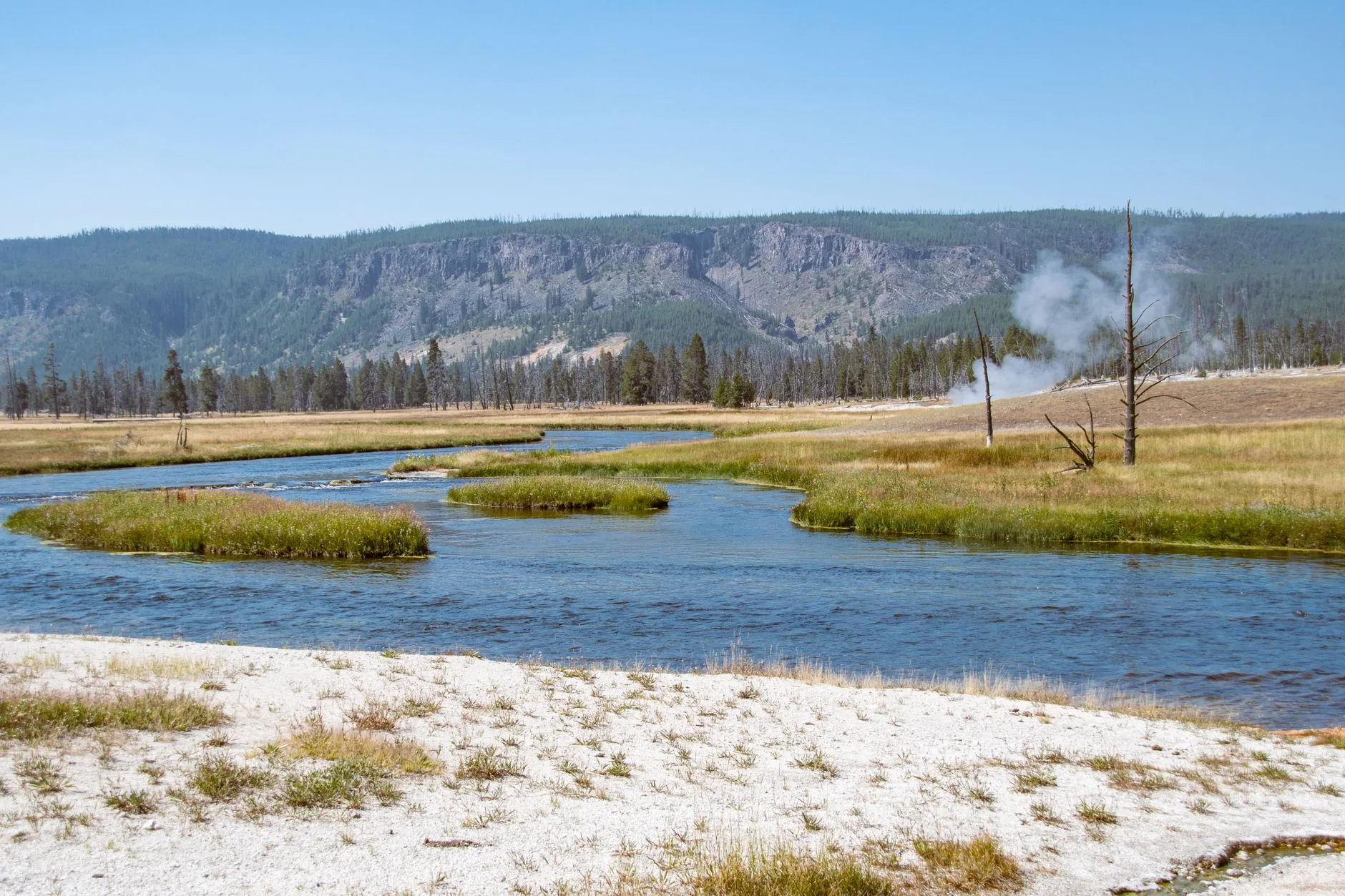
For Montana hunters and anyone who spends time in the Greater Yellowstone Ecosystem, this isn’t an abstract academic question. Wolf numbers, elk behavior, and riparian health on the northern range directly affect what hunters encounter when they draw a Region 3 tag or glass the Gardiner Basin in November. The northern range elk herd — the same one that winters around Gardiner and draws hunters to the Paradise Valley corridor — has been at the center of the wolf debate since reintroduction began in 1995. When those elk numbers dropped hard in the early 2000s, wolves took a lot of the blame. But the willows along Soda Butte Creek and the Lamar River still haven’t bounced back the way the original trophic cascade research predicted. That’s a problem worth taking seriously, whether you love wolves, hate them, or land somewhere in the complicated middle like most Montanans do.
Riparian health isn’t just an ecological abstraction — it’s directly tied to the quality of hunting and fishing country. Healthy willow and cottonwood corridors along streams hold more whitetail, moose, and grouse. They cool water temperatures, which supports native cutthroat trout populations that both anglers and wildlife depend on. When those riparian zones are degraded, the cascade of effects runs downhill in every sense — poorer fishing, fewer nesting birds, reduced forage for ungulates, and ultimately country that holds less wildlife overall. If wolves were supposed to be the engine driving that recovery and the recovery isn’t happening on schedule, it matters for everyone who hunts and fishes the region.
The Science Getting Complicated: More Than Just Wolves and Elk
What Range Shift gets right is resisting the urge to make this a pro-wolf or anti-wolf argument. The science itself is being questioned — not by ranchers or hunting outfitters, but by ecologists who championed the reintroduction in the first place. Factors like drought, soil compaction, and the sheer complexity of how large predators actually influence prey behavior at a landscape scale are all in play. The “landscape of fear” model — the idea that just the presence of wolves would keep elk on the move and let vegetation recover — turns out to be messier in practice than it looked in the papers. If you’ve ever sat along the Yellowstone River near Corwin Springs in late October and watched elk bed down in the flats like there isn’t a wolf in the world, you already knew that.
Several factors researchers are now examining more carefully include:
- Prolonged drought cycles across the northern Rockies that have stressed riparian vegetation independent of any elk browsing pressure.
- Soil compaction and channel incision along stream corridors that may prevent willow root establishment even when browsing pressure is reduced.
- Elk behavioral complexity — the landscape of fear model assumed elk would respond to wolf presence relatively uniformly, but actual elk movement data suggests the relationship is far more variable depending on terrain, season, pack size, and individual elk experience.
- Hunter harvest and other mortality sources that interact with wolf predation in ways that make it difficult to isolate the effect of wolves alone on herd size and distribution.
- Bison population growth in Yellowstone, which has added significant browsing and grazing pressure to riparian areas that wolf-wary elk may have vacated.
None of these factors make the wolf reintroduction a failure. But they do complicate the clean narrative that was sold to the public — and they suggest that ecosystem recovery is rarely as linear or predictable as a single elegant theory implies.
What This Means on the Ground in Montana
If you hunt the drainages that flow north out of Yellowstone — the Yellowstone River corridor, the Stillwater, the Boulder, or the upper Madison — you’ve been living with the downstream consequences of this experiment for three decades. Montana Fish, Wildlife & Parks has had to continually adjust elk management in the hunting districts surrounding the park as northern range elk numbers fluctuated, wolf pack territories expanded and contracted, and hunting pressure shifted accordingly. Wolf hunting in Montana has its own season and quota system that changes annually based on pack counts and distribution — always check current FWP regulations before you plan any hunt that might involve wolf country.
The broader lesson for Montana outdoorspeople is one that experienced hunters and guides have always understood intuitively: ecosystems are complicated, and single-variable explanations for complex problems are almost always incomplete. The elk aren’t just responding to wolves. They’re responding to hunter pressure, winter severity, habitat condition, disease, drought, competing ungulates, and a dozen other variables simultaneously. The willows aren’t just responding to elk browsing pressure — they’re responding to hydrology, soil chemistry, climate, and time. Managing for healthy wildlife populations means holding all of that complexity in your head at once, which is harder and less satisfying than a simple story but a lot closer to reality.
Why Honest Science Coverage Like This Matters
This is the kind of nuanced, honest look at a complicated wildlife story that doesn’t get enough airtime. Conservation debates in Montana tend to harden into camps quickly — wolves are either salvation or disaster, depending on who you talk to at the coffee shop. What’s refreshing about the Range Shift video is that it treats viewers as adults capable of sitting with uncertainty and updating their priors when new evidence comes in. That’s not a common approach in wildlife media, and it’s worth rewarding with your time and attention.
The Greater Yellowstone Ecosystem is one of the most studied pieces of ground on the planet, and we still don’t fully understand how all the pieces interact. That should inspire humility across the board — for those who thought wolf reintroduction would be a simple ecological fix, and for those who predicted it would be an unmitigated disaster. The real story, as usual, is somewhere in the middle and considerably more interesting than either side’s talking points.
Give the video a watch. Then go outside and form your own opinion — preferably somewhere in Montana with a good pair of binoculars and a hunting license in your pocket.
Montana's outdoor week, in your inbox at 7am Friday.