
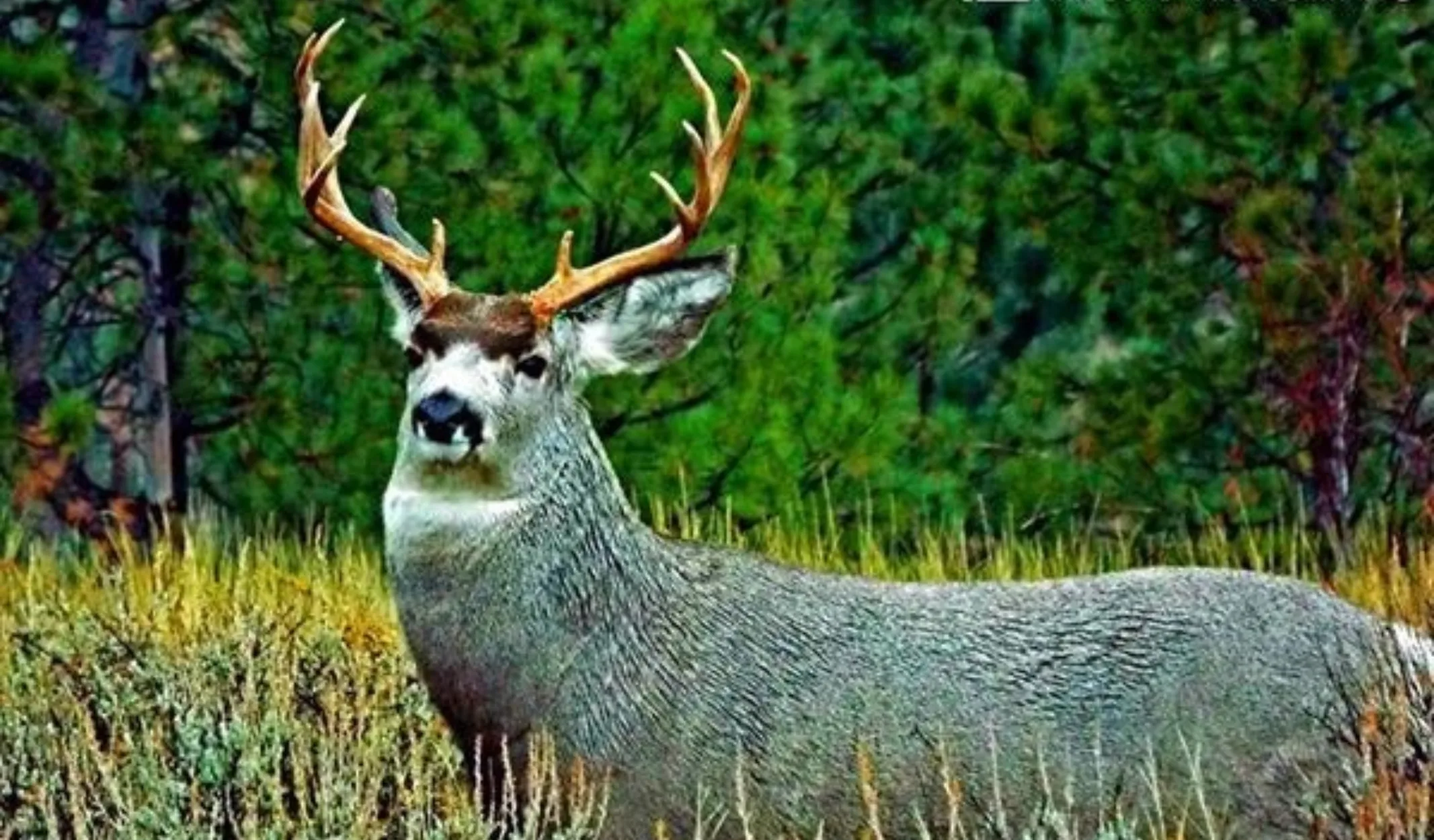
With our general big game season winding down in Montana, so there’s time to make something happen with mule deer, if you haven’t already. November is prime time for tagging a western mule deer, whether you’re hunting the mountains, cedar-covered foothills, river bottoms, agricultural ground, or wide-open prairie. Outdoor writer Jace Bauserman, a longtime Field & Stream contributor, former editor-in-chief of Bowhunting World and Archery Business, and an experienced western big-game hunter, shares his playbook for finding that buck before the season wraps up. His advice is, “Let your optics do the work,” “stay mobile,” and remember that “just because the landscape looks like it won’t hold game, doesn’t mean it’s a ghost town.” In other words, glass patiently, cover ground when necessary, and don’t overlook those “empty” patches of country, as they may not be empty.
Bauserman’s article breaks down how he approaches each type of mule deer habitat, from watching doe groups during the rut to locating water, food, and overlooked pockets of cover. These are his strategies for how to put a mule deer tag on a buck, and with a week and a half still on the clock, there may be some worthwhile advice to take into the field.
- Mountain Muleys: Glass patiently, watch doe groups, and focus on aspen and pine pockets near lowland meadows, especially where water is nearby.
- Foothills & Canyon Country: Stay mobile and look for thick cedar cover, reliable water sources, food, and elevated vantage points where you can watch deer movement.
- Agricultural Land: Scout the edges of standing or harvested crop fields, nearby pastures, CRP ground, and grasslands where bucks follow does during morning and evening movement.
- River & Creek Bottoms: Take advantage of natural travel corridors by watching cottonwood-lined waterways, creek beds, and streams where deer funnel between cover and feeding areas.
- Open Plains & Grasslands: Don’t overlook seemingly empty country; focus on subtle terrain changes, sagebrush, cactus patches, dry creek beds, and pockets of cover near water.
No matter which type of country you’re hunting, Bauserman’s message is simple and to find the food, water, cover, and deer movement, then put your optics to work. There’s still time to fill that tag!
Do you agree with Jace Bauserman’s suggestions? What are your thoughts on this vs. the article about deer hunting from yesterday? Which of his tactics have worked for you, and what would you add or change?
You can check out the full article via Field and Stream here.
Montana's outdoor week, in your inbox at 7am Friday.