
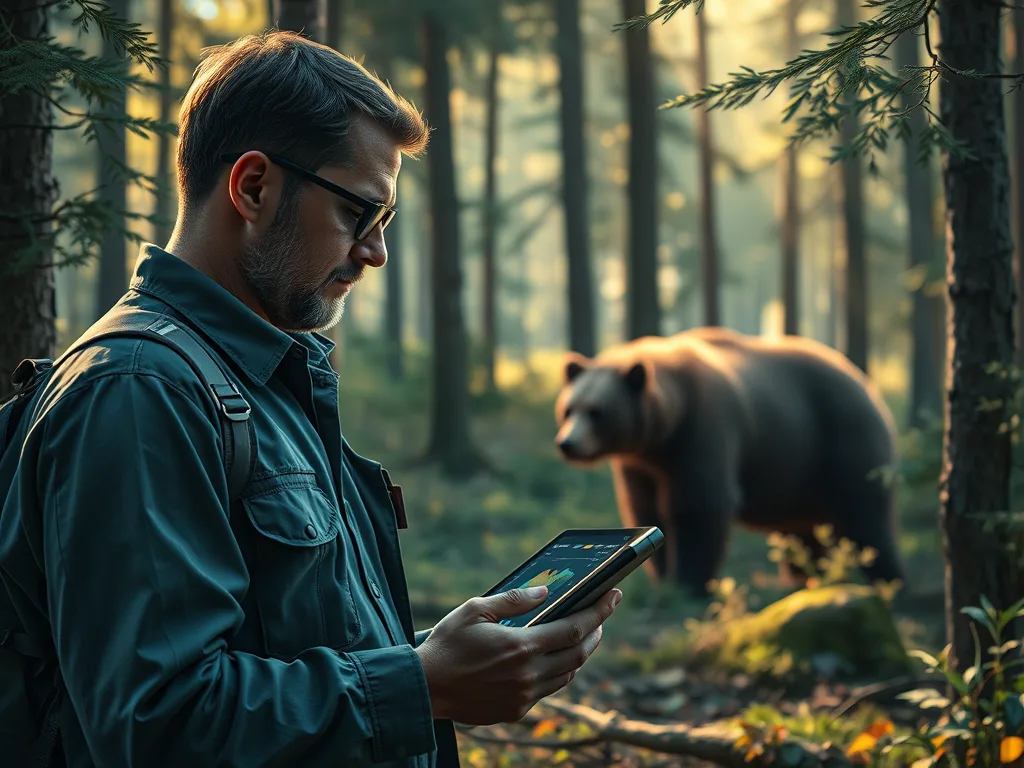
AI “Facial Recognition” for Bears Could Help Wildlife Managers Identify Problem Animals Faster
By MontanaOutdoor.com Staff
Wildlife researchers are testing a new use for artificial intelligence that could change how agencies respond to dangerous bear encounters: using computer vision to identify individual bears from photos.
The concept is similar to facial recognition software used for people, but the goal is different. Instead of surveillance, the aim is to help wildlife managers quickly determine whether the same bear is showing up repeatedly around homes, campgrounds, trailheads, or livestock operations—and whether that animal may be tied to an aggressive incident.
What the technology is trying to do
The project most often mentioned in recent coverage is a developing system known as BearID, which is designed to analyze images from trail cameras and other sources and then match key facial features to a database of known bears. Supporters believe this could give biologists a faster way to identify individuals compared to waiting on lab results.
In many serious conflict cases today, wildlife officials rely on a mix of evidence—tracks, location data, witness statements, and often DNA collected from hair or saliva. DNA can be highly reliable, but it can also take time and depends on getting usable samples. AI-based photo matching is being explored as a tool that could speed up early decision-making while investigations are still underway.
Why it matters for public safety
Proponents say quicker identification could reduce the chance of repeat incidents. If managers can determine that one specific bear is involved in multiple close calls—or is returning to the same high-risk area—it may help agencies choose a response sooner, whether that means hazing, relocating, increased monitoring, or removing the bear where warranted under policy.
Researchers also argue that a reliable photo-based system could reduce workload for field staff by narrowing down candidates and helping track movement patterns in places where bears and people overlap.
But there are limitations
As with any AI tool, accuracy matters. Bear faces can look similar, and images captured in the field vary widely in lighting, distance, and angle. Wildlife scientists caution that DNA remains the gold standard for definitive identification in high-stakes cases, and that photo matching would need strong validation before it could be used to justify major management actions.
Still, AI-based identification is already being tested on other wildlife species around the world, and bear-focused projects are expanding as more cameras are deployed across the West.
What it could mean in Montana
Montana continues to see increasing bear activity in areas where people recreate and live. If tools like BearID prove accurate and practical, they could eventually become part of the broader toolbox used by wildlife managers—especially when time is critical and field evidence is limited.
For now, researchers say the technology is still developing, and agencies would likely treat it as a decision-support tool—not a replacement for field investigation, DNA, or professional judgment.
Source: This story was adapted and rewritten based on reporting by Cowboy State Daily.
Montana's outdoor week, in your inbox at 7am Friday.