
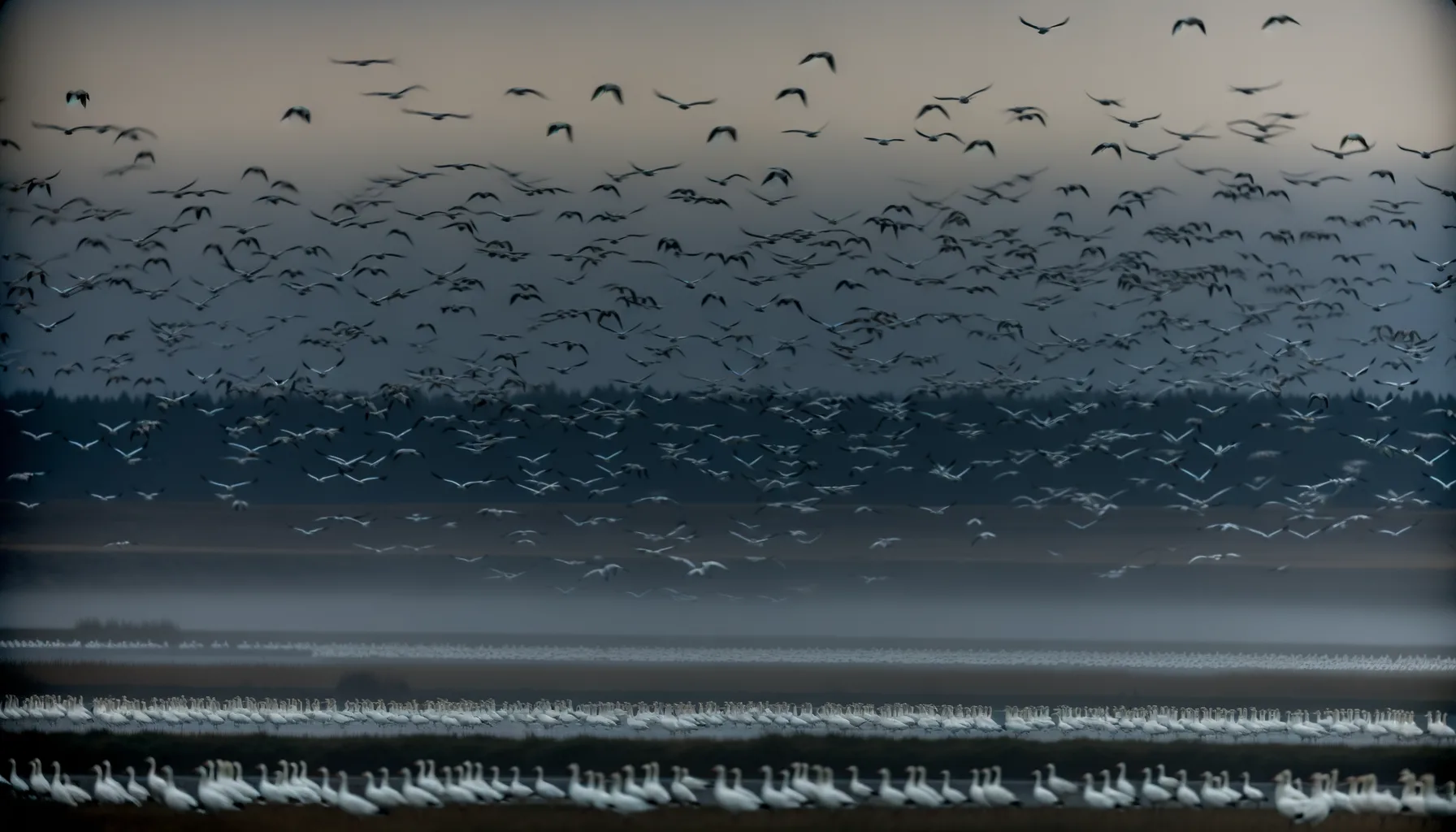
If you’ve been watching the weather patterns shift and felt that familiar pull northward, you’re not alone. The birds feel it too—and right now they’re moving in numbers that remind us why Montana remains one of the premier waterfowl corridors in North America.
Key Takeaways
- Recent counts at Freezout Lake Wildlife Management Area topped 11,000+ light geese with several hundred tundra swans in a single day.
- Freezout is a major Central Flyway staging area where birds rest and refuel before pushing to northern breeding grounds.
- Timing is weather-driven: ice-out, cold snaps, and early warm spells can shift peak viewing within the late-February-to-early-April window.
- Early mornings often deliver the most dramatic flights—binoculars, layers, and a low-impact approach make the experience better for you and the birds.
- Watching spring migration can sharpen a hunter’s understanding of fall movement through the same geographic “funnel.”
Recent counts at Freezout Lake Wildlife Management Area registered over 11,000 light geese and several hundred tundra swans passing through in a single day—a spectacular pulse of spring migration that signals the changing of seasons in Big Sky Country. For those of us who live for these moments, it’s a reminder that timing is everything when it comes to experiencing one of nature’s great phenomena.
If you want a deeper dive on what to expect at the peak—including viewing strategy and timing—see our guide: 300,000 Snow Geese Are Funneling Into Freezout Lake Right Now1Best Viewing Tips, Timing, and What to Know.
Why Freezout Lake Matters
Located along the Rocky Mountain Front southwest of Great Falls, Freezout Lake sits at a critical junction in the Central Flyway. This 11,000-acre complex of wetlands serves as essential staging habitat where migrating waterfowl rest and refuel during their journey to northern breeding grounds in Canada and Alaska.
The numbers we’re seeing right now aren’t accidental. Snow geese, Ross’s geese, and tundra swans time their migration to coincide with ice-out conditions and the first flush of aquatic vegetation. These birds have been traveling since leaving their wintering grounds along the Gulf Coast of Texas and Louisiana, and Freezout represents one of their last major stops before the final push north.
What makes this area particularly valuable is the combination of shallow wetlands and adjacent grain fields where birds can feed intensively. They’re not just passing through—they’re packing on calories for the breeding season ahead.
For more context on why March is such a crucial month for hunters and scouting-minded outdoorsmen, read: Freezout Lake Snow Goose Migration: Why Montana Hunters Should Go in March (Best Scouting Before Fall).
When to Experience the Show
Spring migration at Freezout typically peaks between late February and early April, though exact timing varies based on weather conditions. Cold snaps can delay the movement, while early warm spells can push birds through faster than expected. This is why Montana Fish, Wildlife and Parks’ real-time monitoring dashboard has become such a valuable tool for wildlife watchers.
Early mornings offer the most dramatic viewing opportunities. Sunrise flights, when thousands of geese lift off from roosting areas in waves of white wings against pink skies, create scenes that belong on canvas. Bring binoculars, a spotting scope if you have one, and layers—March weather along the Front can swing forty degrees in an afternoon.
If you’re comparing what you’re seeing right now to past springs, this archive story adds useful perspective: Geese and swan activity peaking at Freezout Lake.
Management and Conservation Context
The success story at Freezout didn’t happen by accident. Active water management, habitat restoration, and agricultural partnerships have maintained and enhanced this critical stopover. The Wildlife Management Area represents a significant investment in wetland conservation that pays dividends not just for migrating waterfowl, but for dozens of other species that rely on these habitats.
For hunters, understanding these migration patterns provides insight into fall flights as well. The same geographic funnel that concentrates birds in spring works in reverse come October and November. Birds that stage at Freezout in spring are often the same populations that pass back through during hunting season, though fall migration tends to be more protracted and less concentrated.
Planning Your Visit
Freezout Lake is easily accessible from Highway 89, with multiple viewing areas and a designated wildlife viewing route that allows visitors to observe birds without causing disturbance. Respect closure areas during sensitive periods—these restrictions exist to prevent pushing birds off critical feeding and resting habitat.
Photography opportunities during peak migration can be exceptional, but remember that these birds are in a time-sensitive biological window. They need to feed and rest, not expend energy fleeing vehicles or people. Stay on designated routes and use your vehicle as a blind when possible.
The adjacent communities of Fairfield and Choteau offer services for visitors, and both have embraced their role as gateways to one of Montana’s premier wildlife spectacles. Local businesses can provide current conditions and insider tips on where concentrations are heaviest on any given day.
The Bigger Picture
Events like this massive single-day count remind us that Montana’s wildlife resources extend far beyond what we pursue during hunting seasons. These migrations connect us to ecosystems spanning the continent, from Gulf Coast marshes to Arctic tundra. Our wetlands, our management practices, and our conservation investments here in Montana matter to continental bird populations.
For those of us who hunt waterfowl, watching spring migration offers a different perspective—a chance to observe these birds as simply wild creatures engaged in one of nature’s most remarkable journeys, rather than as quarry. It’s a perspective that enriches our understanding and deepens our commitment to conservation.
FAQ: Freezout Lake Spring Migration
How many geese and swans were counted at Freezout Lake?
Recent counts at Freezout Lake Wildlife Management Area registered over 11,000 light geese and several hundred tundra swans passing through in a single day.
Where is Freezout Lake, and why is it such a major stopover?
Freezout Lake is along the Rocky Mountain Front southwest of Great Falls. It sits at a key junction in the Central Flyway, offering shallow wetlands and nearby grain fields that help migrating birds rest and refuel before continuing north.
When does spring migration usually peak at Freezout Lake?
It typically peaks between late February and early April, but exact timing varies with weather—especially ice-out conditions, cold snaps, and early warm spells.
What time of day is best for viewing?
Early morning can be the most dramatic, especially around sunrise when large flocks lift off from roosting areas.
What should I bring for a Freezout Lake viewing trip?
Binoculars are a must; a spotting scope can help if you have one. Dress in layers—March weather along the Front can swing widely within the same day.
How can visitors watch the birds without disturbing them?
Use the designated wildlife viewing route and stay on established routes. Respect closure areas during sensitive periods, and consider using your vehicle as a blind to minimize disturbance.
Does spring migration tell hunters anything about fall hunting season?
It can. The same geography that funnels birds through Freezout in spring can influence movement in fall (October and November), even though fall migration is often more spread out and less concentrated.
Why do birds “pile in” at Freezout Lake in the first place?
Species like snow geese, Ross’s geese, and tundra swans time migration with ice-out and early aquatic vegetation. Freezout provides a staging area where they can feed heavily and build energy reserves for breeding season.
Related Reading
- 300,000 Snow Geese Are Funneling Into Freezout Lake Right Now1Best Viewing Tips, Timing, and What to Know
- Freezout Lake Snow Goose Migration: Why Montana Hunters Should Go in March (Best Scouting Before Fall)
- Geese and swan activity peaking at Freezout Lake
Source inspiration: https://nbcmontana.com/news/local/more-than-11000-birds-migrate-through-freezout-lake-on-tuesday
Montana's outdoor week, in your inbox at 7am Friday.