
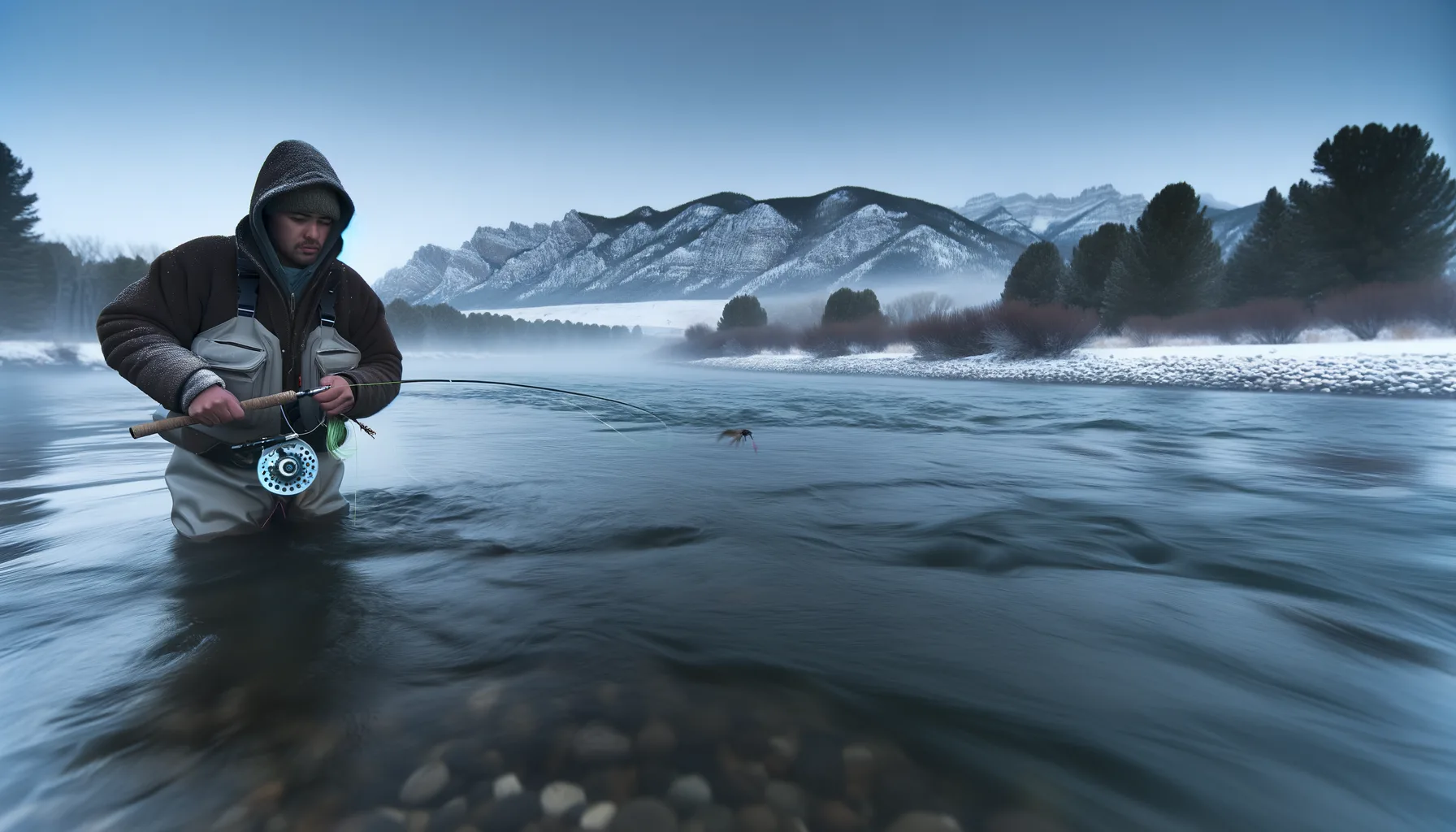
The clock is ticking. Right now, in mid-March, Montana’s iconic trout rivers are sitting in that narrow sweet spot between winter low flows and the chaos of spring runoff. Snowpack across the Rockies is loaded — the Madison Range, Absaroka-Beartooth, and Pryor Mountains are all holding well above average — and when that snow starts moving in earnest, the rivers are going to blow out fast. We’re talking two to four weeks, maybe less if temps spike hard. That means right now, this week and maybe the next two, is your last real window for productive nymphing until late June clears things up.
Don’t waste it sitting on the couch.
Which Rivers Are Your Best Bets Right Now
Not all Montana rivers respond the same way to runoff timing, and knowing which ones to hit first matters.
The Bighorn River below Yellowtail Dam near Fort Smith is your ace in the hole. Because it’s tailwater, it doesn’t blow out the way freestone rivers do — flows are regulated by the Bureau of Reclamation, and water clarity typically holds well into spring. If you’ve got flexibility, the Bighorn buys you extra weeks when everything else is blowing. Right now the river is fishing excellent, with midge and baetis nymph patterns producing consistently in the 13-mile stretch below the dam.
The Madison River between Ennis and Lyons Bridge is prime time right now but won’t last. The upper Madison drains Yellowstone Park snowmelt directly, and once the park starts cooking, flows at Kirby and Varney Bridge can double in a matter of days. Fish it hard this weekend if you can. The lower Madison from Ennis Lake downstream tends to clear faster post-runoff, but right now the upper reach is where the fish are active and accessible.
The Gallatin River through Gallatin Canyon and down toward Manhattan is another freestone river on a short fuse. It fishes beautifully this time of year — clear, cold, and loaded with hungry rainbows and browns — but the Gallatin blows out earlier than most because of its steep gradient and direct snowmelt exposure off the Spanish Peaks and Gallatin Range. Hit it now, not in two weeks.
How to Rig for Pre-Runoff Nymphing
This time of year, depth and weight are everything. The fish are not going to chase. They’re sitting in the seams, just off the bottom, conserving energy. Your job is to get your flies down to their level and keep them there through the drift.
Here’s a rig that consistently produces on Montana rivers in March:
- Indicator setup: Use a larger foam or yarn indicator — Thingamabobbers in the 1-inch size work well — set at 1.5 to 2 times the depth of the water you’re fishing.
- Weight: Don’t be shy. Split shot above the first fly, adjusted as you move from shallow riffles to deeper runs. If you’re not ticking bottom occasionally, you’re too light.
- Lead fly: A heavy stonefly nymph or Pat’s Rubber Legs in sizes 6-10 gets you down fast. Black or brown colorways dominate this time of year on the Madison and Gallatin.
- Dropper: Trail a smaller midge or baetis nymph 12-18 inches off the back — a Mercury Flashback Pheasant Tail in size 18-20 or a WD-40 in olive or gray is deadly right now, especially on the Bighorn and lower Madison.
Reading the Water in March
Cold water means slow metabolism, which means trout are stacked in predictable spots. Stop burning time fishing fast, shallow riffles. Instead, focus on:
- Deep slots along undercut banks — south-facing banks warm slightly faster and tend to hold more active fish
- The soft seam directly behind mid-river boulders
- Deep tailouts at the bottom of long pools, especially on overcast days when barometric pressure is stable
Fish mid-morning to mid-afternoon when water temps nudge toward the mid-40s Fahrenheit. That temperature bump triggers the most consistent feeding activity you’ll see all day. Early morning on a cold March day in the Gallatin Canyon can be brutally slow — be patient and let the sun do its work.
Keep an Eye on Flow Data Before You Go
Before you load the truck, check the USGS StreamStats gauges. Bookmark the gauge at Kirby on the Madison, the Gallatin near Gallatin Gateway, and the Bighorn at Yellowtail. When the Madison at Kirby starts creeping above 1,200 CFS and climbing fast, the game is changing. The Gallatin blows out quicker — once you see it pushing past 1,000 CFS and turning off-color, that window is effectively closed.
Also check Montana FWP regulations before you go. Some sections of these rivers have seasonal closures or special equipment restrictions that apply to certain stretches, and those regs don’t change just because the fishing is good.
The Bottom Line
Mid-March nymphing on Montana’s freestone rivers is a gift — clear water, catchable fish, and almost no competition from other anglers. But it’s a gift with an expiration date stamped on it, and that date is coming up fast. Pick a river, tie on a stonefly, and get your boots wet this weekend. By April, you’ll be watching brown, roiling water roll past and wishing you had.
Montana's outdoor week, in your inbox at 7am Friday.