
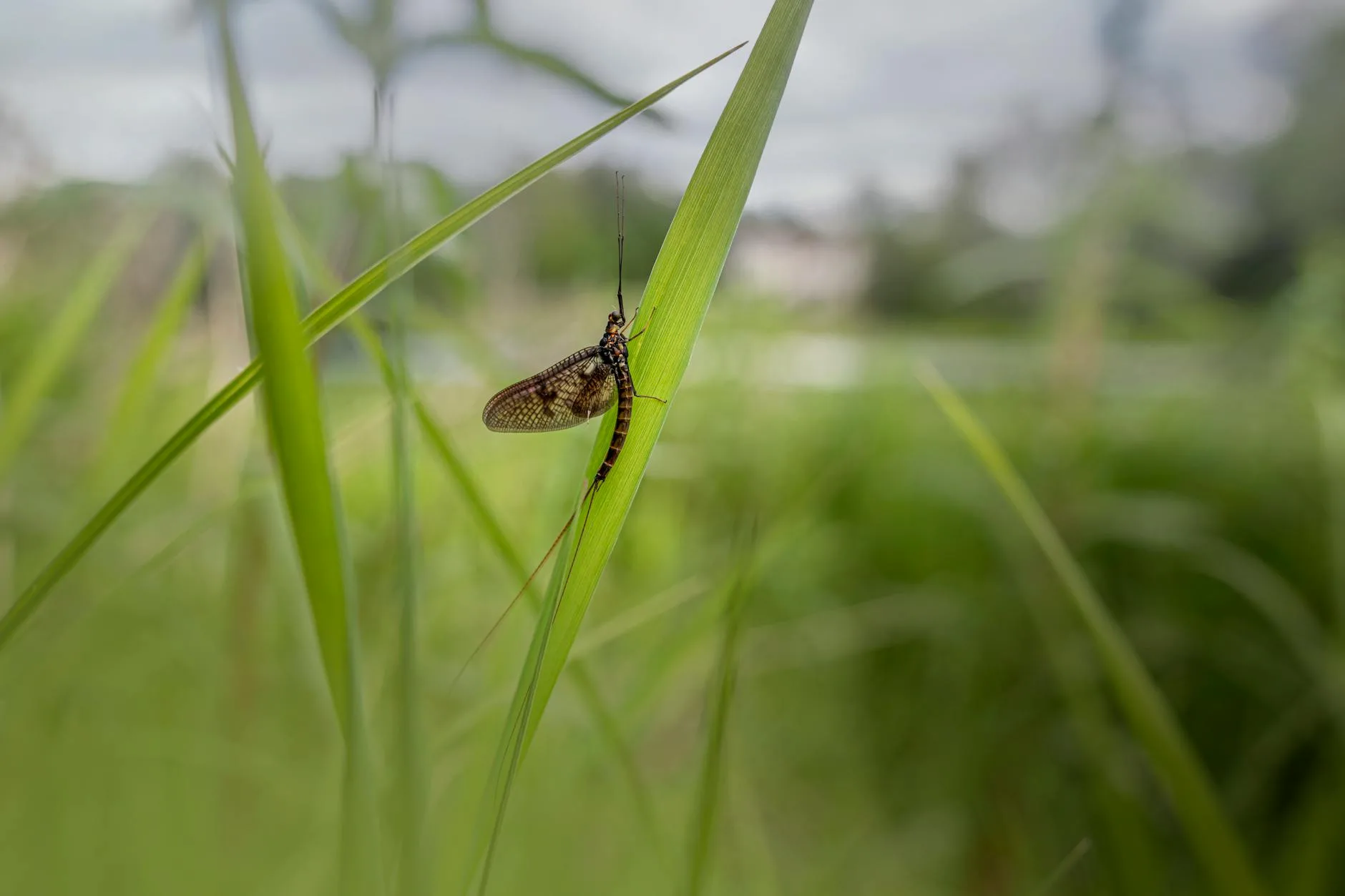
The hatch is peaking right now, and the runoff is coming. Those two facts don’t coexist for long. Blue-winged olive hatches are firing across Montana’s tailwaters and spring creeks this week, but a warmer-than-average March has snowmelt running ahead of schedule in 2026 — and the rivers that are fishing beautifully today may be blown out by next weekend. This is not a drill. Go.
What’s Actually Happening on the Water Right Now
Blue-winged olives — Baetis tricaudatus for the Latin crowd — are Montana’s great equalizer. They hatch when most other bugs won’t. Cold, overcast, even lightly drizzly days in April are exactly what triggers the best emergences, which is why mid-April has always been the sweet spot for spring Baetis fishing. The problem this year is the runoff window. Snowpack in the Elkhorn Mountains, the Beartooths, and the Gravelly Range is already releasing faster than normal, and that turbid water is working its way downstream toward rivers that would otherwise be fishing beautifully for another few weeks.
The rivers worth your time right now are the ones that can shrug off runoff the longest: tailwaters and spring creeks. When every freestone river in the state turns the color of chocolate milk, these are your lifeline.
Where to Be This Week
Missouri River Below Holter Dam
The Mo below Holter is your best bet for fishable conditions through the end of this week and possibly into the weekend. Dam-controlled flows keep clarity intact even as surrounding drainages blow out. The stretch from Holter Dam down to Craig is producing strong BWO emergences right now, with trout stacking in the slower current seams and tailouts. Wolf Creek and Craig are your staging towns — both have boat ramps and easy access. Wade-fishers should target the flats below the Craig Bridge early in the hatch window. Drift boat anglers should work the Holter-to-Craig float and focus on far bank eddies where olives collect on the surface.
Armstrong and Nelson’s Spring Creeks — Paradise Valley
If you’ve got a reservation at Armstrong or Nelson’s Spring Creek near Livingston, burn it this week. Spring creeks don’t run off. They stay clear regardless of what the Yellowstone is doing, and right now the Yellowstone is beginning to color up. The educated brown trout on both creeks are sipping BWOs in that methodical, infuriating way they always do — and the hatch is on. Expect size 18 and 20 Baetis emergers to be the ticket. DePuy’s is also worth calling ahead, since access varies by day. Don’t show up expecting walk-in availability. Book now or you’re watching from the road.
Bighorn River Below Yellowtail Dam
The Bighorn out of Fort Smith is another tailwater that insulates itself from early runoff. Water temps coming out of Yellowtail are holding in the low-to-mid 40s, which is ideal for Baetis activity. The hatch here tends to run slightly later in the day — don’t expect much before 10:30 or 11 a.m. The 13-Mile stretch is producing consistent rises in the afternoon, and both browns and rainbows are looking up. Check current flows on the USGS gauge before you make the drive; the Bighorn can fluctuate with irrigation demand, but as of this writing, conditions are excellent.
The Daily Window You Cannot Miss
Here’s the thing about BWO hatches that separates the anglers who clean up from the ones who scratch their heads: the feeding window is narrow. On all of these systems right now, the serious dry fly action is compressed between roughly 10 a.m. and 2 p.m. That’s it. Cloud cover extends it. Bright bluebird skies shut it down early. The best days are gray, calm, and just above 40°F at the water surface. If you’re on the river before 10, nymph a Pheasant Tail or an RS2 in the film until the bugs show up. Then switch. Don’t be the guy who packs up at 9:45 because nothing happened.
Patterns and Presentations That Are Working
Honestly, pattern matters less than people think on these fisheries — but it’s not irrelevant either. Right now a Parachute BWO in size 18-20 is your workhorse dry, the one that gets fish when the hatch is heavy and they’re not being selective. When fish are keying on emergers in the film rather than fully hatched duns, a Sparkle Dun in olive, size 20, is often the difference-maker, especially on the spring creeks. On Armstrong and Nelson’s, where the browns have seen every pattern in the bin, a CDC Biot Comparadun in size 20-22 with its low-profile silhouette can be the only thing that works. Before the hatch peaks, fish an RS2 in gray or olive, size 20-22 as a dropper under a dry or on its own — it’s been deadly on the Missouri. And if you’re seeing fish bulge but not fully commit to the surface, swing a Soft Hackle Pheasant Tail, size 18, through the current seams. That’ll sort them out.
Presentation matters more than any of that, though. Long leaders — 12 to 14 feet — with 6x or 7x tippet on the spring creeks. Perfect drag-free drifts. Position yourself downstream of rising fish and cast upstream into the feeding lane. One bad drag and that fish is done for the day. You’ll get one shot, maybe two. Make them count.
The Window Is Closing — Act Accordingly
By late April, even the tailwaters start feeling the effects of peak runoff season. Water temps rise, flows fluctuate, and the predictable midday BWO windows become inconsistent. Spring creek reservations fill up fast once word gets out. In my experience, the week of April 14 through 19 is your best remaining shot at the kind of dry fly fishing that makes Montana anglers talk to themselves on the drive home. Check flows on USGS WaterWatch, call ahead to outfitters in Craig and Fort Smith, and get on the water by 9 a.m. so you’re in position when the bugs start showing.
You’ve been thinking about it all winter. Stop thinking.
Montana's outdoor week, in your inbox at 7am Friday.