
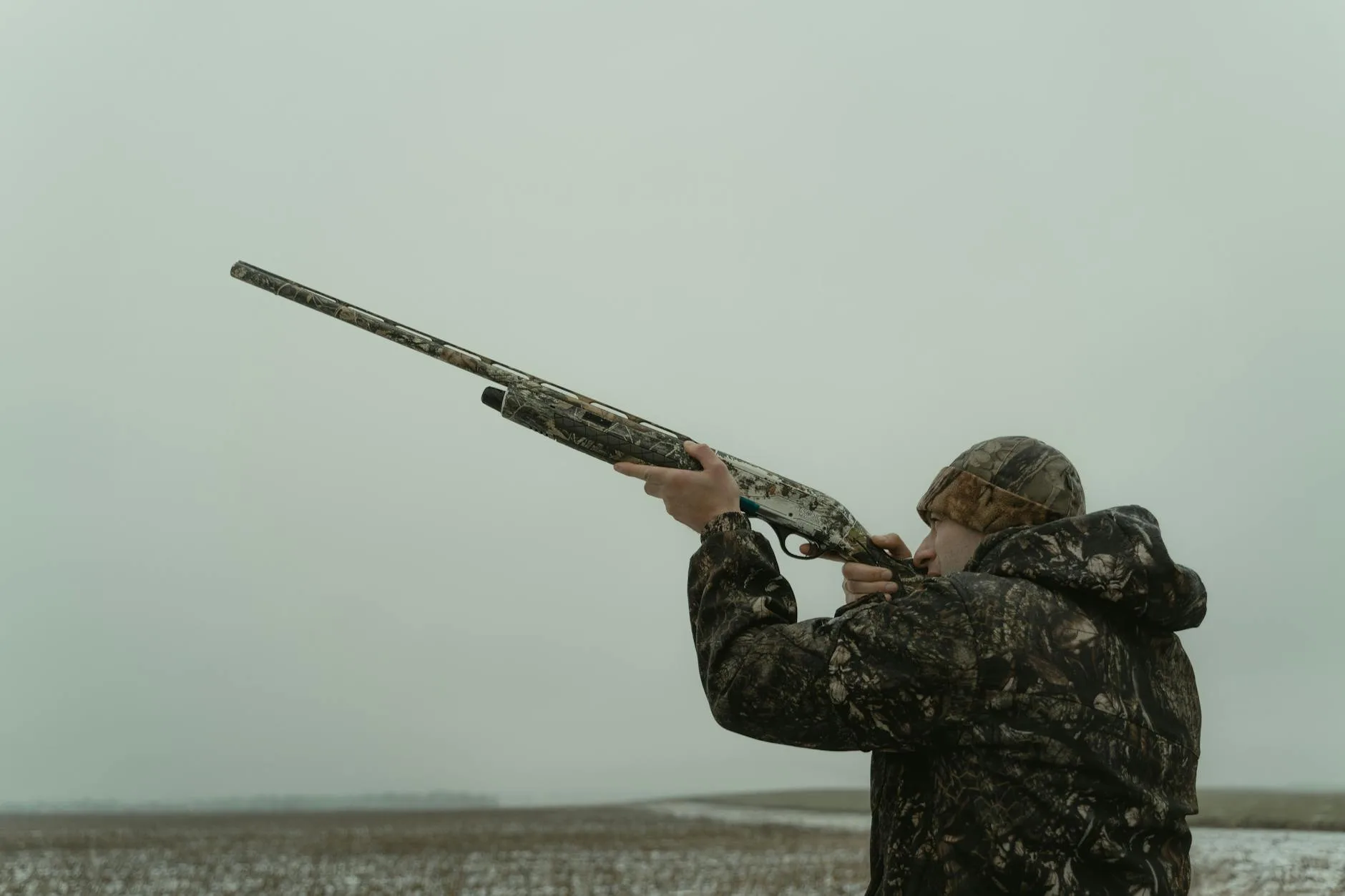
There’s a moment every Montana hunter recognizes—that sick feeling when you pull up to your spot, the place you’ve hunted for years, maybe decades, only to find it overrun by out-of-state rigs and unfamiliar faces who act like they own the place. It’s not just about crowding. It’s about respect, tradition, and whether Montana’s public lands will continue to serve Montanans first.
This isn’t some theoretical debate happening in Helena while we’re out chasing bulls. It’s playing out right now on the ground, from the Flathead to the Missouri Breaks, and the pressure is only intensifying.
The Reality on the Ground
Montana has long balanced its identity as a hunting destination with the needs of resident sportsmen. For years, the state issued roughly 85,000 nonresident hunting licenses annually—a significant influx that pumps money into rural economies but also creates friction points across our public lands.
The math is straightforward: More hunters means more competition for finite game populations and accessible terrain. When well-funded out-of-state hunters can afford to camp for entire seasons, hire guides, and essentially monopolize productive areas, everyday Montana families get squeezed out of their own backyard.
The problem isn’t that nonresidents want to hunt Montana—most of us understand the economic value of ethical visiting hunters. The problem is when that pressure tips the scales so far that resident opportunity suffers, and when some visitors treat our home like a disposable resource rather than someone else’s sacred ground.
How Change Actually Happens
Here’s something most hunters don’t think about: Wildlife policy doesn’t write itself. Every regulation, every license quota, every access rule exists because someone showed up—to FWP commission meetings, legislative hearings, or a representative’s office—and made the case.
The legislative process can feel distant when you’re focused on scouting elk or getting your rifle zeroed before season, but it’s where the future of Montana hunting gets decided. Bills addressing nonresident license caps, landowner preferences, access issues, and game management all flow through this system.
The most effective advocacy happens when boots-on-the-ground hunters connect with legislators who actually understand our issues. Not every politician gets it. Some have never field-dressed an elk or hiked six miles into a wilderness area before dawn. The ones who do understand, or who take time to listen and learn, are worth their weight in gold.
What Montana Hunters Can Do
If you care about maintaining hunting opportunity for your kids and grandkids, passive frustration isn’t enough. Here’s what actually moves the needle:
- Show up to FWP meetings: Regional FWP offices hold public meetings on season structures, quota setting, and management plans. Your testimony matters, especially when it’s backed by specific observations from the field.
- Know your legislators: Find out who represents your district and what their record is on sporting issues. Email, call, or meet face-to-face during the legislative session.
- Support hunting organizations: Groups like the Montana Wildlife Federation, Backcountry Hunters and Anglers, and local sportsmen’s associations track legislation and mobilize members when critical votes approach.
- Document problems: When you experience conflicts with nonresident hunters, crowding issues, or access problems, document specifics. “It feels more crowded” is vague. “I’ve hunted this drainage for 20 years and saw three camps this season versus the usual one” is actionable data.
- Stay informed: Follow FWP Commission agendas, read proposed rule changes, and understand what’s being debated before decisions get made.
The Bigger Picture
Montana’s hunting heritage faces pressure from multiple directions—not just nonresident competition, but also habitat loss, changing land ownership patterns, wildlife disease concerns, and shifting social attitudes toward hunting itself. Maintaining resident opportunity requires constant vigilance and engagement.
Recent legislative efforts to prioritize Montana hunters represent important steps, but they’re not permanent solutions. Each legislative session brings new challenges and opportunities. The political landscape shifts. What’s protected today can be undermined two years from now if hunters don’t stay engaged.
The most dangerous thing Montana sportsmen can do is assume someone else will fight these battles. Our hunting traditions persist because generations of Montanans cared enough to get involved, even when they’d rather be fishing.
Whether you’re a fifth-generation Montanan or you moved here last year, if you hunt and fish this state, you have skin in the game. The question is whether you’ll step up when it counts—not just in the field, but in the meetings and legislative sessions where Montana’s outdoor future gets written.
Source inspiration: Flathead Beacon
Montana's outdoor week, in your inbox at 7am Friday.