
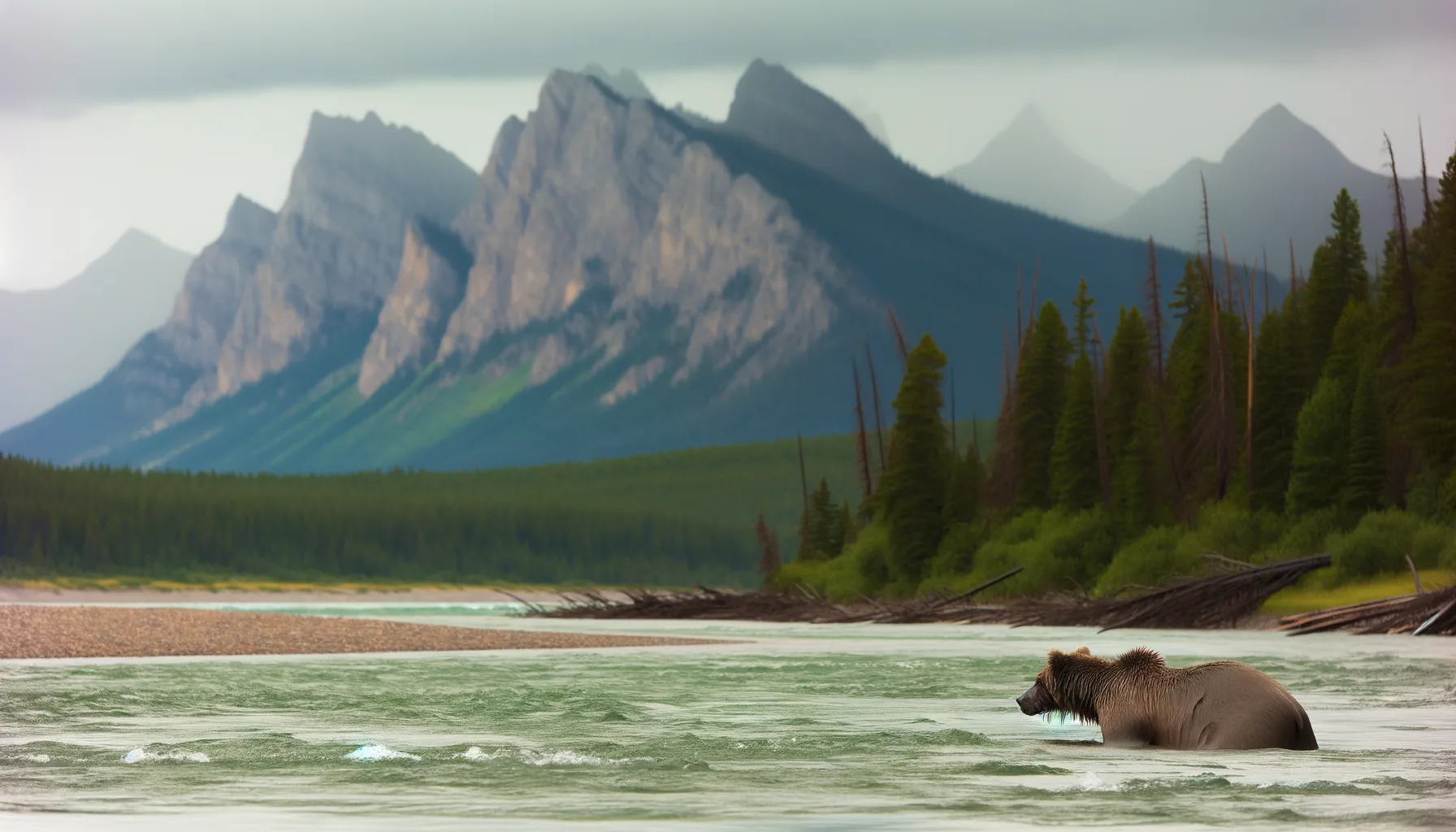
Montana hunters have been grinding through the grizzly delisting debate for years — watching federal agencies stall, courts intervene, and a legitimate bear hunting season remain frustratingly out of reach. Now comes a fresh wrinkle from the left coast that could directly affect the Greater Yellowstone Ecosystem population that spans Wyoming, Idaho, and our own backyard here in Montana: California wants those bears.
A California state legislator — the bill’s authorship is still being confirmed by our editorial team — introduced Senate Bill 1305, which calls for a formal roadmap to return grizzly bears to California after a 101-year absence. The last confirmed grizzly sighting in California was in 1924 at Sequoia National Park. The bill leans on a study reportedly published in 2025 in Oxford’s Journal of Heredity that, according to the bill’s proponents, found genetic similarities between California’s extinct coastal grizzlies and the bears currently living in the Greater Yellowstone Ecosystem — the same population that ranges across the Absaroka Range into the Beartooths, down through the Centennial Valley, and up into the southern reaches of the Bitterroot. [Editor’s note: We are working to independently verify the publication date, journal name, and findings of this study before final publication.]
The bill’s roadmap deadline is June 30, 2028. That might sound distant, but given how long grizzly policy fights drag on, 2028 is practically tomorrow.
Why This Is Montana’s Problem, Not Just Wyoming’s
You might read “Wyoming bears” in the headlines and assume this is Cheyenne’s headache. It isn’t. The Greater Yellowstone Ecosystem doesn’t recognize state lines. The roughly 1,000 grizzlies estimated in that population move through Park, Gallatin, and Carbon counties in Montana as regularly as they move through Teton County, Wyoming. Bears collared near Cooke City show up outside Cody. Bears from the Gravelly Range wander toward Island Park, Idaho. This is one interconnected population, and any extraction from it affects all three states.
There’s also the bigger picture of Northern Rockies connectivity. Grizzly advocates and ecologists have long argued that the missing link in full grizzly recovery is establishing a corridor between the Greater Yellowstone population and the Northern Continental Divide Ecosystem — the population centered around Glacier National Park and the Bob Marshall Wilderness. Repopulating central Idaho’s remote wildlands, places like the Frank Church River of No Return Wilderness, would be the bridge that connects these two populations and creates something resembling a truly recovered species across the Northern Rockies.
Pulling bears south to California doesn’t just thin one herd. It slows that connectivity vision. Every bear shipped to the Sierra Nevada is a bear that isn’t contributing to natural range expansion toward the Selway-Bitterroot or the Salmon River country.
The Federal Jurisdiction Trap
Here’s the detail that should make every Montana hunter sit up straight. Grizzlies are still listed under the federal Endangered Species Act. That means the U.S. Fish and Wildlife Service, not the Montana Department of Fish, Wildlife & Parks, holds the primary cards. The wolf reintroduction fights of recent years offer a partial comparison: when Colorado pursued wolf reintroduction in 2023, Wyoming Governor Mark Gordon pushed back forcefully, and Wyoming, Montana, and Idaho all opposed the effort through various channels. But that situation involved a mix of state, federal, and ballot-initiative dynamics that made it more complicated than a simple gubernatorial refusal — and wolves in Wyoming had already been returned to state management in key respects, giving states more standing to resist.
Grizzlies are a different animal, legally speaking. If California comes calling for Yellowstone-area grizzlies before delisting is finalized, FWS could potentially authorize that transfer without Montana, Wyoming, or Idaho having meaningful veto power under current ESA regulations. That’s a significant distinction, and it’s one more urgent reason why getting grizzlies delisted and under state management needs to happen sooner rather than later.
What Montana Hunters Should Do Right Now
This isn’t a situation where you can sit back and let someone else handle it. Here’s where to direct your energy:
- Contact your Montana legislators and congressional delegation. Senators Steve Daines and Tim Sheehy have both been vocal on grizzly management and delisting. Remind them that California’s legislative action adds new urgency to moving delisting forward in Congress. The sooner grizzlies are under state control, the sooner Montana has a seat at the table — and a real veto.
- Submit public comments when they open. California’s SB 1305 requires a formal reintroduction roadmap. Federal involvement in any actual reintroduction plan will trigger NEPA review and public comment periods. Watch for those openings and participate. Your voice as a stakeholder in the Greater Yellowstone Ecosystem is legitimate and should be heard.
- Support Montana FWP’s grizzly management efforts. The department has been building the science and management infrastructure needed to handle a delisted population. That work matters more than ever if federal control over these bears is to be transferred to states before California’s 2028 deadline arrives.
- Stay informed through organizations with boots on the ground. Groups like the Montana Wildlife Federation and the Rocky Mountain Elk Foundation track these issues closely and can mobilize hunters and conservationists when action windows open.
The Bottom Line
California’s grizzly ambitions aren’t just a symbolic gesture or a faraway problem. With a 2028 roadmap deadline and genetic studies pointing directly at Greater Yellowstone bears, this is a concrete threat to Montana’s wildlife management authority and our vision for grizzly recovery across the Northern Rockies. The clock is ticking, and the window to secure state control through delisting is narrowing.
Montana hunters have fought too long and too hard on the grizzly issue to watch these bears get shipped to California while we’re still waiting for federal bureaucrats to finish their paperwork. It’s time to make noise, demand action on delisting, and ensure that decisions about Montana’s grizzlies are made in Helena and the backcountry — not Sacramento.