
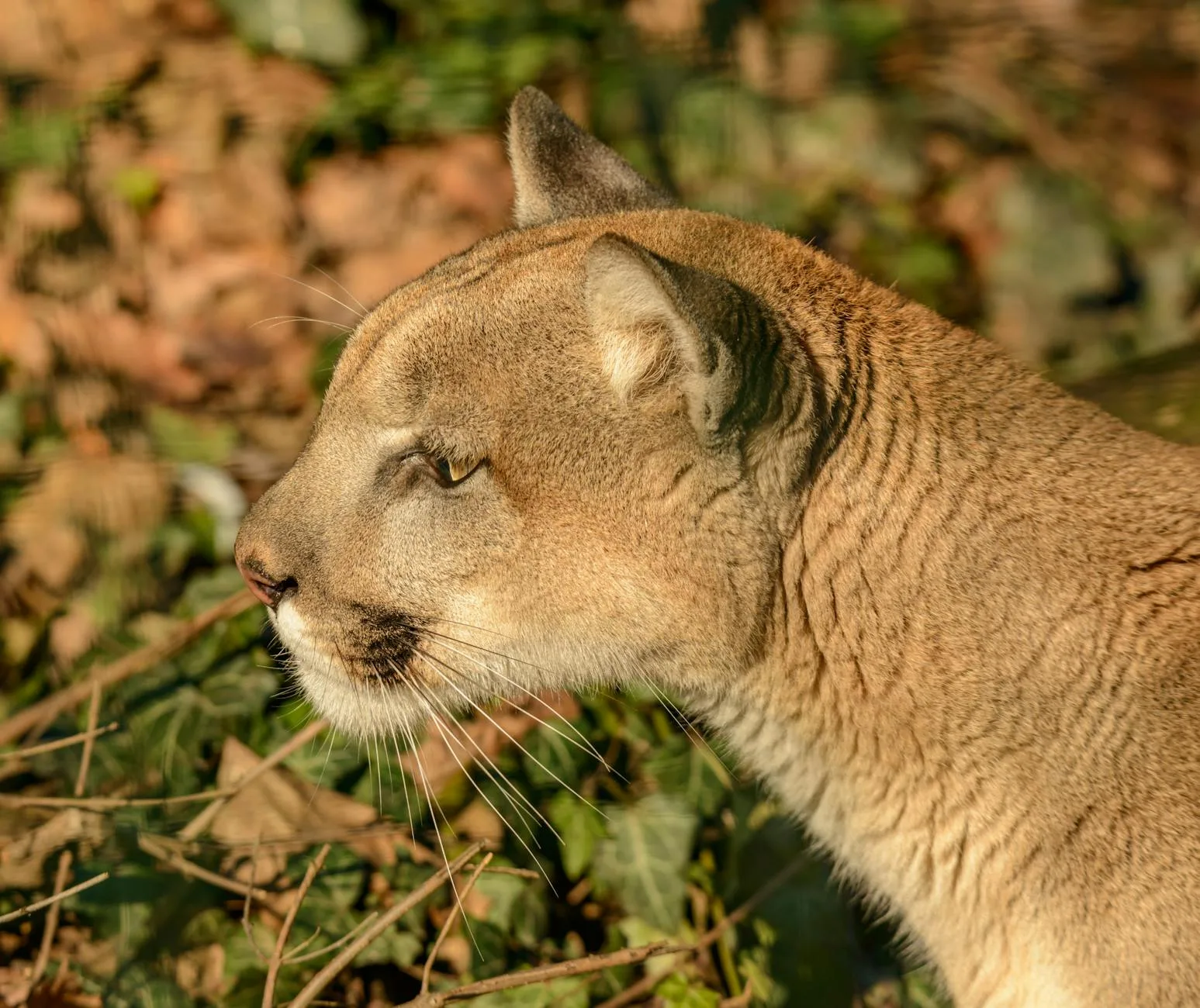
Montana Fish, Wildlife and Parks is sounding the alarm this spring: illegal mountain lion harvests are on the rise, and wardens across the state are actively investigating. If you’re still holding a lion tag — or you’re planning to run hounds through the Beartooths, the Bitterroot drainage, or the breaks country east of Lewistown — you need to read this carefully. The consequences of a violation aren’t just a fine. They can end your hunting career in Montana permanently.
Editor’s note: The increase in illegal lion harvests described in this article is based on FWP enforcement reporting. We have requested comment from an FWP spokesperson and will update this article with an official statement or link to the relevant FWP press release when available. Readers are encouraged to check fwp.mt.gov for current enforcement advisories.
What Violations Are FWP Seeing Right Now
According to FWP, the uptick involves a mix of violation types, but the most common threads are hunters killing lions over quota in districts that have already closed, failing to properly check a harvested lion within the required timeframe, and misreporting harvest locations. In Montana, mountain lion hunting is managed by hunting district, and when a quota is reached, FWP closes that district — sometimes with only 24 to 48 hours’ notice posted to their website and phone hotline.
That rapid closure system is where a lot of otherwise well-intentioned hunters are getting caught. Houndsmen in particular may release dogs on a track they started legally, only to make a kill after a district has quietly closed mid-pursuit. That’s still a violation. Montana law does not include a “hot pursuit” exception for mountain lions. If the district is closed at the time of the kill, you’re in violation — full stop.
FWP wardens are also seeing cases involving the illegal take of females with kittens, which is prohibited statewide, and at least some reports of carcass abandonment — taking only the skull or hide and leaving the carcass, which violates Montana’s wanton waste statutes.
How FWP Is Catching Violators
Don’t assume you’re invisible out there in the Bob Marshall backcountry or the breaks above the Missouri River. FWP’s game warden network is more connected than it’s ever been, and enforcement tools have evolved significantly.
- Mandatory check stations and online reporting: Montana requires that every harvested mountain lion be checked in with FWP — either at a physical check station or through online reporting — within 24 hours of harvest. However, check-in requirements can carry season-specific and method-specific nuances depending on current FWP regulations. Confirm the exact requirement that applies to your tag, district, and harvest method at fwp.mt.gov or by calling your regional FWP office before you hunt. Wardens cross-reference check-in data against district quota closures in near real time.
- Informant tips: FWP’s TIP-MONT line (1-800-847-6668) generates a substantial number of mountain lion investigation leads each year. Hunting camps talk. If your buddy is cutting corners, someone in the next drainage probably knows about it.
- Aerial surveys and track monitoring: In high-pressure districts — verify current district numbers and boundaries against the FWP HuntPlanner or current HD maps before your hunt, as district numbering and boundaries are periodically reassigned — wardens use aerial observation and snow tracking to cross-reference reported harvest locations against actual lion movement data.
- Tooth and tissue sampling: At check stations, FWP collects biological samples. If a carcass or hide shows up without proper documentation, forensic analysis can establish kill location and timing independent of what a hunter claims.
What You’re Facing if You Get Caught
Montana takes mountain lion violations seriously, and the penalties reflect that. A first-offense illegal mountain lion harvest is typically charged as a Class B misdemeanor under Montana law. Penalty maximums for misdemeanor wildlife violations are set under MCA 87-6-901 and related statutes, which have been amended in recent legislative sessions — verify current fine and jail exposure at leg.mt.gov or with a Montana attorney before assuming specific dollar or jail figures. But regardless of the exact penalty ceiling, the real sting comes from license revocation. Under Montana’s wildlife point system, a serious violation like illegal lion harvest can cost you your hunting, fishing, and trapping privileges — potentially for years. Interstate compacts mean those revocations follow you across state lines too.
On top of state penalties, federal Lacey Act violations can come into play — for example, if an illegally taken lion is transported across state lines. Lacey Act exposure is more nuanced than a single threshold suggests: whether a violation rises to a felony depends on factors including the market value of the animal and the violator’s intent, not a simple dollar cutoff. Penalties can range from misdemeanor fines to felony prosecution. That’s not a hypothetical. Federal Lacey Act charges have been brought against Montana hunters. If you have any question about your exposure, consult a wildlife attorney.
How to Stay Legal Right Now
If you’ve still got an unfilled lion tag and you’re heading out this season, here’s what you need to do before you hit the trailhead:
- Check district quotas every single day you hunt. FWP updates the mountain lion quota status page at fwp.mt.gov and maintains a quota closure hotline. Quota closures happen fast — sometimes overnight after a heavy harvest push following a fresh snow event.
- Know your exact hunting district boundary before you release dogs. Download the FWP HuntPlanner or print the current HD map directly from FWP — district numbers and boundaries are periodically reassigned, so use only the current season’s official maps. Ridge systems along places like the Sapphire Mountains or the Castle Mountains can put you in a neighboring HD faster than you think.
- Confirm your specific check-in requirement before you hunt. Check-in deadlines and methods can vary by season, tag type, and region. Verify the exact rule that applies to your situation at fwp.mt.gov or by calling your regional FWP office. Do not rely solely on information from prior seasons or second-hand accounts.
- Never pursue females with visible kittens. If you’re running hounds and you tree a female with kittens present, call the dogs off. Document the encounter if you can and move on.
- Report violations. If you see something in the field that doesn’t look right — a gut pile with no tag, a lion carcass abandoned in the timber — call TIP-MONT at 1-800-847-6668. Reports can be anonymous.
The Bigger Picture for Montana Lions
Mountain lion populations across western Montana, the Rocky Mountain Front, and the Missouri Breaks are a genuine management success story. Keeping that population healthy requires quota integrity. When illegal kills go unreported, FWP’s population models skew, quotas for future seasons get miscalculated, and eventually, everyone hunting lions in Montana pays the price through tighter restrictions or shortened seasons.
Legal hunters have every reason to be the loudest voices against poaching and violations. If you’re doing it right, you have nothing to fear from tighter enforcement — and everything to gain from a healthier, well-managed lion population for seasons to come.
Montana's outdoor week, in your inbox at 7am Friday.