
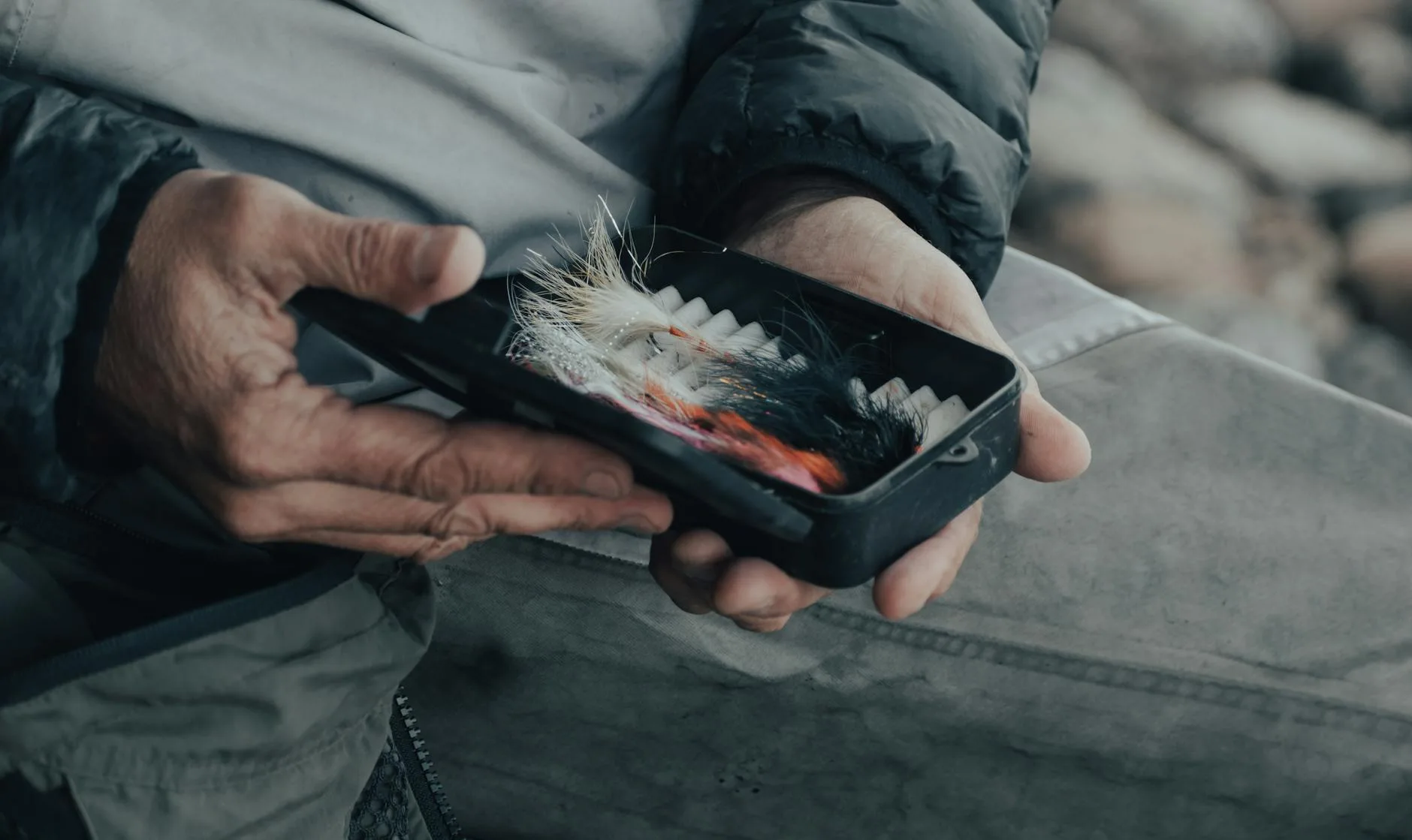
If you’ve spent any time fishing Montana, the Bighorn River doesn’t need much of an introduction. It’s one of the most celebrated tailwater fisheries in the entire country — running cold, clear, and remarkably consistent out of Yellowtail Dam near Fort Smith, about 60 miles southeast of Billings. Brown and rainbow trout thrive here in numbers and sizes that would make most anglers do a double-take, and the river has a well-earned reputation for producing fish well into the double-digit pound range. Even so, the Bighorn has a way of surprising even experienced hands. That’s exactly what happened to the crew at Wildhook Adventures on a recent float, and they caught the whole thing on camera.
What makes the Bighorn such a consistent producer comes down to the tailwater effect. Cold water released from the bottom of Yellowtail Reservoir keeps river temps stable year-round — hovering in the low-to-mid 50s even when the rest of Montana is locked under ice or swinging through the extremes of summer. That thermal stability means trout are feeding every month of the year, which is something you simply can’t say about freestone rivers like the Yellowstone or the Madison during runoff season. Spring on the Bighorn, right around the time this video was filmed, is particularly productive. Midges and baetis hatches drive consistent surface activity, and fish that have been feeding steadily all winter are thick-bodied and strong. When something grabs your line and doesn’t behave like a typical trout, you notice it immediately.
It’s also worth keeping in mind that the Bighorn doesn’t just hold trout. The lower stretches of the river transition into warmer water habitat, and carp, channel catfish, and other warm-water species have surprised more than a few anglers who were expecting nothing but browns and rainbows. If a fish is pulling line in a way that doesn’t feel right, there’s a decent chance it’s not what you think it is — and that uncertainty is half the fun of watching the Wildhook crew work through it in this video.
Planning Your Own Bighorn Trip: What You Need to Know
If this video has you thinking about booking a float, a few practical details are worth having straight before you go. The Bighorn runs through the Crow Indian Reservation, which means access rules are different here than on a typical Montana public river. Anglers are permitted to wade and float within the high-water mark, but setting foot on reservation land without a tribal recreation permit is a genuine legal issue — not just a technicality. Tribal permits are available and reasonably straightforward to obtain, and if you’re planning any bank fishing or camping, you’ll want one sorted out before you arrive.
A valid Montana fishing license is required for all anglers, and the standard catch-and-release ethic that’s become the norm on the Bighorn is worth respecting if you want the fishery to stay as strong as it is. Fort Smith is your staging area — it’s a small community, but it’s set up for visiting anglers with boat ramps, a handful of outfitters, and access to guides who know every seam and eddy on the river. If you’re new to the Bighorn, floating with a local guide at least once is genuinely worthwhile. The river reads differently than most Montana water, and local knowledge pays off quickly.
The Bighorn consistently ranks among the top tailwater fisheries in the American West, and days like the one captured in this video are a big part of why. Hit play, find out what the Wildhook crew pulled up — or nearly pulled up — and start thinking about your own trip to one of southeastern Montana’s most unforgettable stretches of water.
Montana's outdoor week, in your inbox at 7am Friday.