
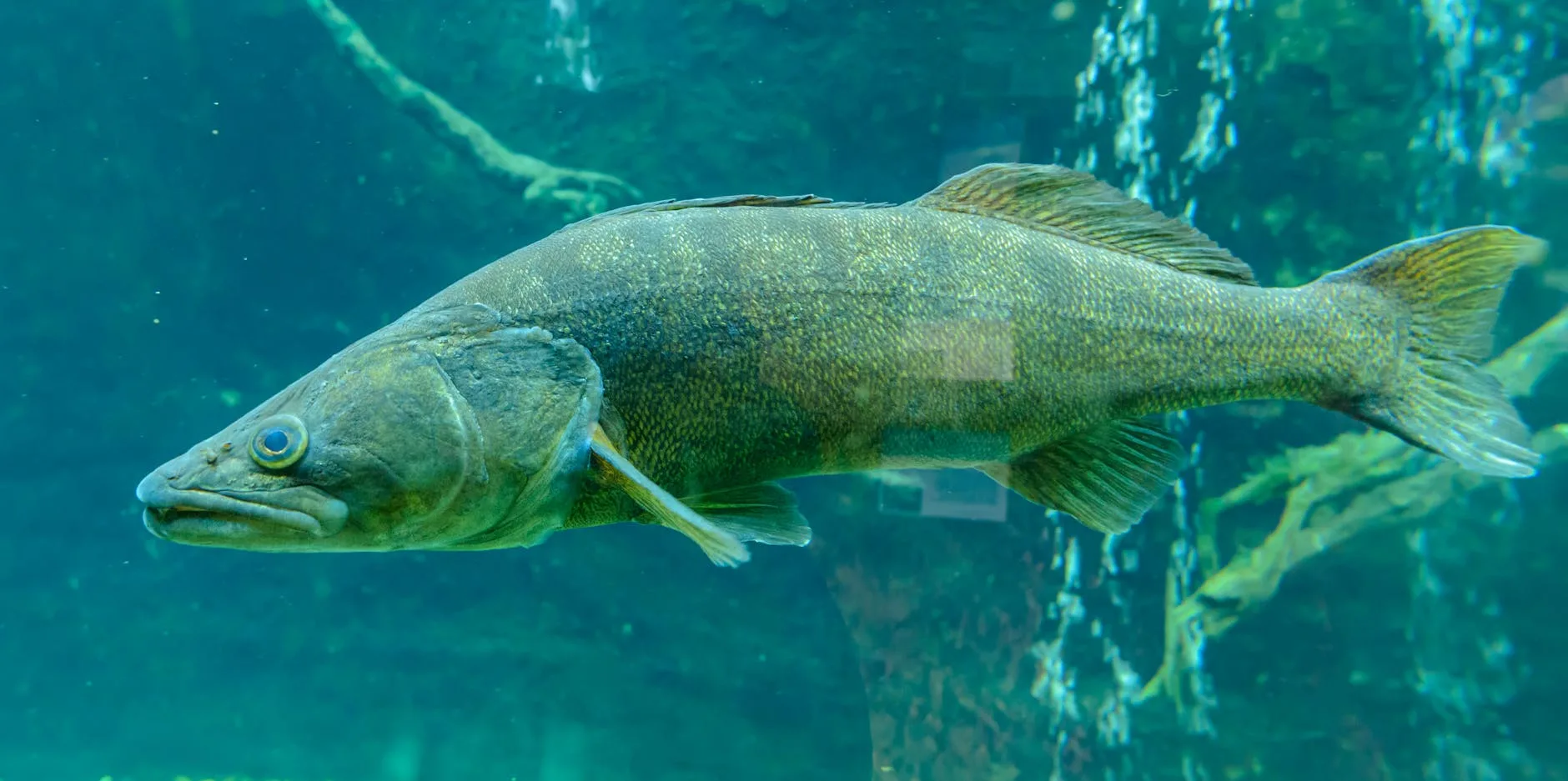
The big females are already gone from the shallows. If you were out on Fort Peck last weekend and the bay fishing felt like it was losing steam, you weren’t imagining it. The peak spawn window — that frantic, shallow-water chaos that kicks off when water temps crest 48°F, usually somewhere between the 5th and 15th of April — is winding down right now. The males are still milling around in the rocky shallows near Rock Creek Bay and the Dredge Cuts. But the fish you actually want? They’ve moved. And most of the guys on the water are still fishing last week’s game.
This post-spawn transition is one of the shortest, highest-reward windows on the entire Fort Peck calendar. Three to ten days where the largest walleye of the year are repositioning from spawning shallows into adjacent structure — hungry, disoriented, and sitting in very predictable locations if you know where to look. Miss it, and you’re back to grinding mid-lake suspended fish for the rest of May.
Why the Big Females Leave First
Female walleye in Fort Peck’s 245,000-acre system spawn at water temps between 48°F and 52°F. This year, cooler-than-average runoff from the Little Rocky Mountains and the Missouri River drainage kept surface temps suppressed a few days longer than usual, which puts us right at the tail end of that window now.
Big females — fish in the 6- to 10-pound class — don’t linger once they’ve dropped eggs. They’re physically spent, and they instinctively push toward deeper, more stable water. But here’s what most anglers get wrong: they don’t blow out to open water immediately. They stage. They slide from the 2- to 5-foot spawning flats down to the first significant depth change adjacent to where they spawned — typically 8 to 18 feet near a hard bottom transition, a submerged point, or the outside edge of a wind-blown bay. That short slide is your whole opportunity right there.
The Structure You Need to Be Fishing Right Now
There are three types of transition zones worth your time this week. First, submerged points off spawning bays. Any bay with gravel or rocky shoreline that produced fish during the spawn will have a corresponding underwater point or shelf just outside it. These are your best early-morning spots — fish the 10- to 15-foot contour along the drop and work it thoroughly before the sun gets up.
Second, wind-blown mud-to-rock transitions. Honestly, Fort Peck’s mid-April winds out of the southwest are a gift if you know how to use them. Windward banks on the southern arms — the areas south and east of the Pines Recreation Area, specifically — concentrate baitfish and stir up invertebrates. Post-spawn females will push into these current-adjacent zones to feed hard, especially in the afternoon when the wind has been blowing all day.
Third, old creek channel edges. The submerged channels of Willow Creek and Rock Creek, where they enter the reservoir, create classic inside-bend structure at 12 to 22 feet. Most guys ignore these during the mid-day lull when surface activity dies. That’s exactly when you should be on them.
The Rig That’s Working This Week
Put the crawler harnesses away. Post-spawn females aren’t interested in slow-trolled spinners right now. They’re reactive and tight to bottom structure. A 3/8- to 1/2-ounce jig head tipped with a 4-inch paddle-tail swimbait in white, chartreuse, or natural shad colors is the right call this week. Work it slow — painfully slow — with a lift-pause-drag retrieve along the bottom. Let it tick the rocks. If it’s not occasionally hanging up, you’re probably fishing too high.
If you want a second rod in the water, run a live-bait rig with a fathead minnow on a Lindy-style setup, dragged slowly along the same depth contour. Active jigging on one rod, trailing live bait on the other — that combination covers both the aggressive biters and the sluggish post-spawn females that need a little more convincing before they commit.
A Note on Depth and Time of Day
First light to about 9 a.m., fish the shallower end of the transition — 8 to 12 feet. As the sun climbs and the day warms, slide deeper into the 14- to 20-foot range. Evening can push fish back up, particularly on those wind-swept south-facing banks. In my experience, the two-hour window from roughly 6 to 8 p.m. is consistently underrated during this transition period, especially if the wind is still blowing and the surface hasn’t gone glassy.
Regulations and Access Reminder
Fort Peck falls under FWP Region 6 regulations. The 2026 walleye season is open year-round on the reservoir with a daily limit of five fish and a possession limit of ten. There’s no size restriction on walleye at Fort Peck, but if you’re pulling fish over 20 inches during this post-spawn window, think hard before you keep the biggest ones. Those large females are doing the heavy lifting for this fishery’s future. Fort Peck Town, the Pines, and Rock Creek boat ramps are all accessible and operational as of this week.
This window opens and closes faster than most anglers want to believe. Mid-April 2026 — right now — is exactly when it’s happening. Get out there before those big females settle into their summer patterns and drop into 30 feet of water until next spring.
Montana's outdoor week, in your inbox at 7am Friday.