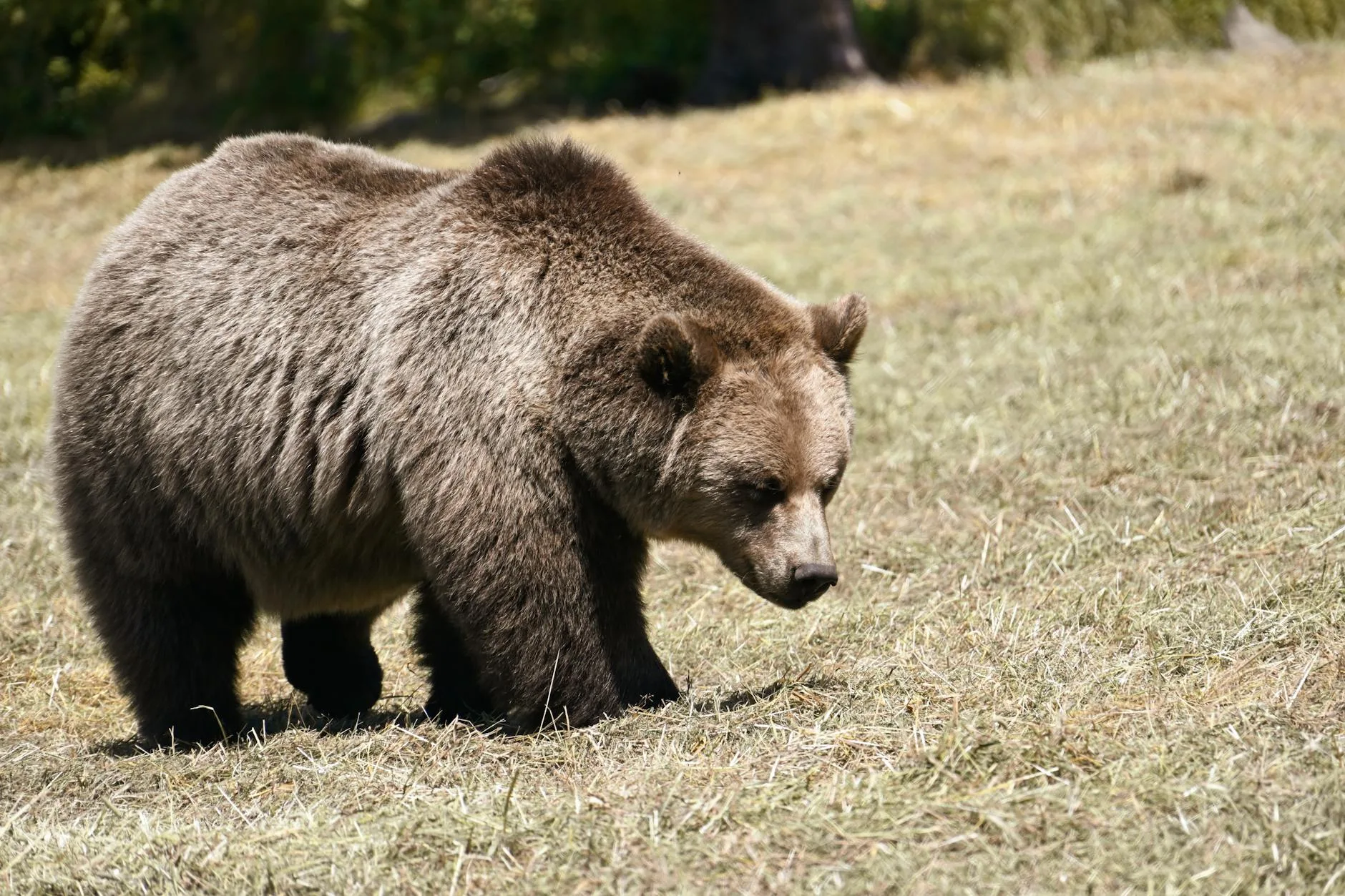
A fed bear is a dead bear. That’s not a bumper sticker — it’s exactly how Montana Fish, Wildlife & Parks operates, and if you’ve got a bird feeder hanging off your porch right now, you need to read this before April is over.
Spring is the highest-risk window of the year for wildlife conflicts on private property. Grizzlies and black bears are coming out of dens across western and central Montana — the Bitterroot, the Flathead, the Rocky Mountain Front — hungry, wide-ranging, and zeroed in on anything that smells like calories. Early spring offers them almost nothing in the way of natural food. Berries are months out. Spawning fish aren’t moving yet. Roots are barely showing. So when your bird feeder is loaded with sunflower seeds or your deer pellets are sitting out in a pile, you’ve just become the most interesting thing in their territory.
The Spring Emergence Window: When Risk Peaks
Once a bear figures out that human structures mean easy food, that association doesn’t break. It deepens. And FWP’s response to a food-conditioned bear isn’t a helicopter ride to the Bob Marshall Wilderness. Your bird feeder, left out through April, can set that chain of events in motion.
Bird seed, garbage, livestock feed, deer corn — all of it pulls bears into residential areas during this window. The calorie math is simple from the bear’s perspective. Why dig for roots when there’s a fifty-pound bag of chicken scratch next to your coop?
The Predator Cascade You’re Not Thinking About
Here’s what a lot of well-meaning property owners don’t connect: feeding prey species pulls predators in right behind them.
Put out corn or pellets for deer and you’re not running a charity for whitetails. You’re concentrating deer in unnatural densities, and that concentration is a dinner bell for mountain lions, wolves, and coyotes. I’ve talked to hunters in the Bitterroot and Flathead valleys who’ve watched this play out firsthand — start feeding deer in winter, and by spring you’ve got lion tracks circling your outbuildings. The deer you were trying to help become bait.
The same logic applies further down the food chain. Squirrels and rabbits drawn in by spilled bird seed attract bobcats, coyotes, and foxes. If you’re running chickens or have dogs and cats outside, you’ve just quietly turned up the predation pressure on your own place without realizing it.
What Hunters and Anglers Need to Know
The urge to supplement winter forage for deer and elk is something I understand. You want healthy animals on your ground come September. But artificial feeding works against that goal in ways that matter. It alters natural distribution, concentrates animals in ways that accelerate disease transmission, and creates dependency that chips away at the very herd health you’re trying to build.
Chronic Wasting Disease spreads fast when deer and elk pile up at feed sites. So does brucellosis in elk and bison. Every wildlife biologist worth listening to will tell you the same thing — let animals use natural forage and maintain natural movement. Honestly, the best investment you can make in your property’s wildlife isn’t a bag of pellets. It’s native plantings, water development, and quality cover that holds animals through their own instincts, not artificial dependency.
If you’re serious about wildlife management on your land, habitat work is the long game. Supplemental feeding is just renting animals temporarily while creating problems that outlast your good intentions.
Practical Steps for Montana Property Owners
Pull bird feeders down now — April 1 is the guideline, but earlier is better. That includes hummingbird feeders. Bears will demolish them for the sugar water and won’t feel bad about it. Don’t put feeders back out until late November when bears are back in their dens.
Get your garbage into bear-resistant containers or locked in a garage. Setting bags on the porch the night before trash day is an invitation. Move livestock feed — chicken scratch, horse pellets, cattle supplement — into secure buildings. If you’re keeping bees or chickens and can’t eliminate the attractant entirely, a properly installed electric fence is your most reliable option. Bears respect it. In my experience, it’s the single most effective tool for keeping them off outbuildings and hive yards.
- Stop supplemental feeding of deer, elk, and other wildlife now. If you’ve been doing it all winter, spring is when you taper off and let animals shift back to natural forage before the green-up hits.
- Check your property for overlooked attractants — fruit trees with dropped fruit, barbecue grills with grease buildup, pet food left outside overnight. Bears find all of it.
Don’t Be the Reason a Bear Dies This Summer
We’re in Montana because we want wild country and wild animals close. That proximity is the whole point. But the grizzly that makes your chest tight when you glass him on a sidehill during elk season becomes a management problem — and a dead bear — the moment he’s conditioned to food near houses.
Spring is when these patterns lock in. A bear that finds bird seed at your place in April will be back all summer, and he’ll bring the problem with him every time. The wildlife conflicts that follow almost always end with a dead animal and a neighbor who swears they were just trying to help.
Take the feeders down. Lock up the attractants. Let wild animals stay wild — it’s the only version of this that works out for anybody.
Source inspiration: KULR8 News and Montana Fish, Wildlife and Parks
Montana's outdoor week, in your inbox at 7am Friday.