Nature is usually our playground, but sometimes it hides a hazard that’s easy to overlook until it’s far too late. We often think of “tree maintenance” as a chore for people with pristine lawns, but the recent tragedy at Holmcroft Park in Stafford—where 15-year-old Brodan Dubickas lost his life after a falling tree struck him—is a sobering reminder that a dead tree isn’t just an eyesore. It’s a ticking clock.
Brodan was described by his headteacher at Sir Graham Balfour School as “intelligent, thoughtful, and inquisitive.” He was just a kid being a kid in a park on a Saturday night. The fact that such a bright future was cut short by something as seemingly static as a tree is both heartbreaking and, frankly, a wake-up call for the rest of us.
More Than Just a Fire Hazard
When we talk about removing dead trees, the conversation usually shifts immediately to wildfires. And rightfully so—standing dead timber is basically nature’s version of a giant matchstick waiting for a spark. But the danger to human safety is just as immediate, even in the middle of a rainy season or a manicured city park.
Why this matters:
- Gravity Never Sleeps: A living tree has a complex structural system to hold its weight. Once it dies, rot sets in from the inside out. You might not see the decay until the roots give way or a heavy branch decides it’s done fighting gravity.
- The “Widowmaker” Factor: In the arboriculture world, dead hanging branches are literally called “widowmakers.” They can drop without warning, even on a day without a breath of wind.
- Public Spaces are High Stakes: Parks, schoolyards, and hiking trails are high-traffic zones. A dead tree in the deep wilderness is a natural cycle; a dead tree next to a swing set is a liability.
- It Happens Everywhere: I’ve heard stories of people I know who were just driving through the forest. A dead tree or branch fell on their side-by-side. The driver was injured, but it killed the passenger. These are normal, everyday activities that turned catastrophic because of a standard environmental hazard. It’s not just a park problem.
Spotting the “Zombie” Trees
You don’t need to be an expert to spot a tree that’s past its prime. While the loss of Brodan is mourned in his community and beyond, the best way to honor a tragedy like this is to prevent the next one.
Keep an eye out for these red flags:
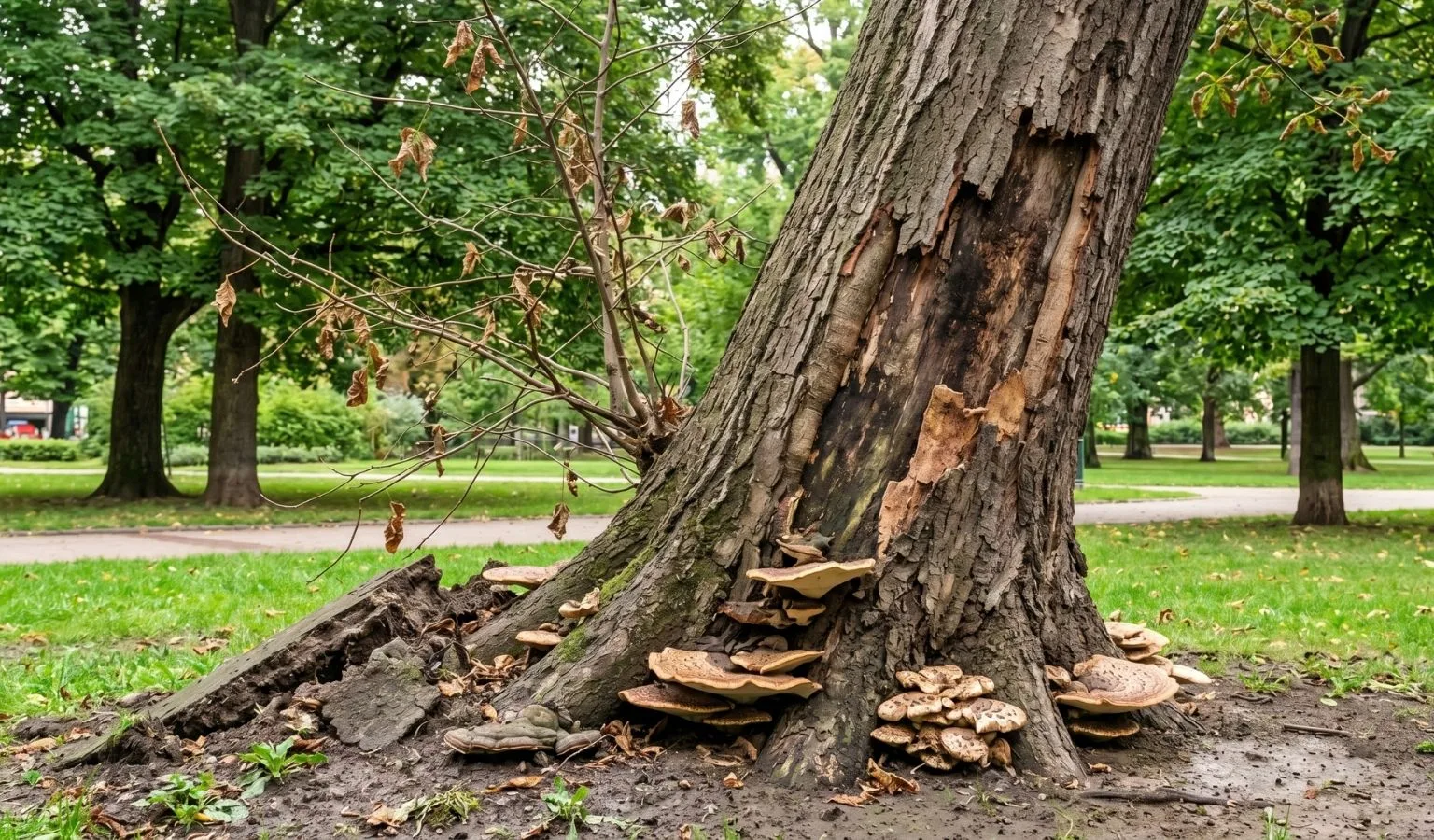
- Missing Bark: Large patches of peeling or missing bark usually indicate a dying trunk.
- Fungus Among Us: Mushrooms growing at the base of the trunk often mean the roots are rotting.
- The “Leaf Test”: If it’s mid-summer and one tree looks like it’s stuck in November, it’s time to take action.
- Lean on Me: A sudden lean in a tree that used to be straight means the soil or the root system has failed.
The Bottom Line
It’s easy to look at a majestic old tree and see nothing but beauty, but we have to be “inquisitive”—just as Brodan was—about the health of the environment around us. Whether it’s to prevent a catastrophic wildfire or to ensure a Saturday at the park stays a happy memory, getting rid of dead wood is non-negotiable.
Let’s keep our parks as safe as they are green. Rest in peace, Brodan.
Source information: https://www.treesaregood.org, Wide Open Spaces
Montana's outdoor week, in your inbox at 7am Friday.