
When “Alone” Out There Isn’t Really Alone
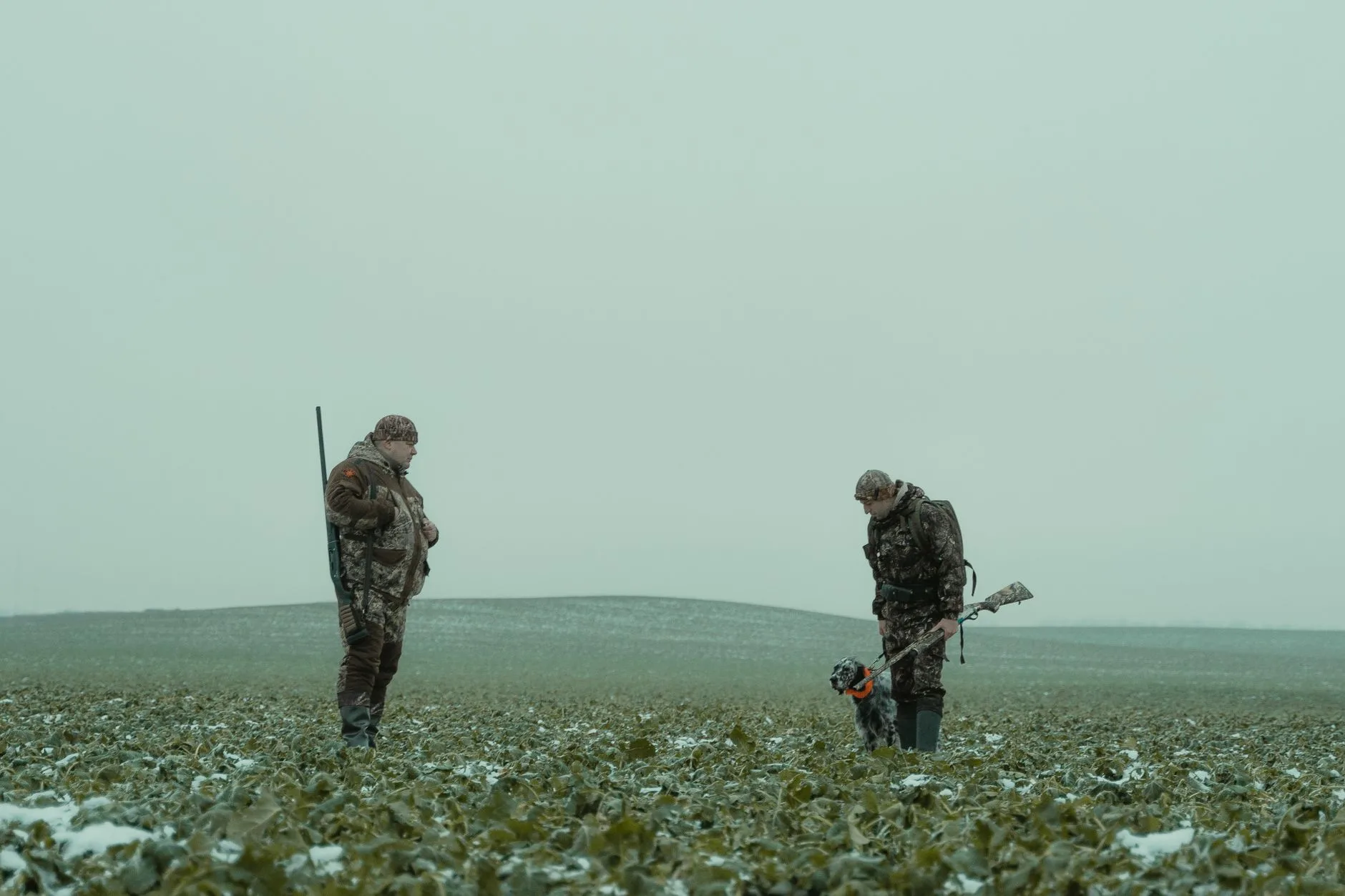
If you’ve spent any time chasing mule deer in Montana’s breaks, coulees, or sagebrush flats, you know the feeling of thinking you’re alone out there. Miles from the truck, no other rigs at the trailhead, not a soul in sight. This video is a good reminder that “alone” isn’t always what it looks like — and that Montana’s game wardens are a lot better at their jobs than most hunters give them credit for.
The latest episode from the Wildlands channel follows a Montana Fish, Wildlife & Parks warden who spots a group of three hunters through his spotting scope — and watches the entire sequence unfold before the shot is even fired. When the buck goes down, he walks in and asks what sounds like a pretty simple question. What happens next is worth watching, not because it ends in cuffs and citations, but because of what it reveals about how enforcement actually works in a state with 147,000 square miles and a warden force stretched thin across all of it. FWP currently has fewer than 130 wardens covering the entire state — that’s a lot of country per badge.
Montana’s general mule deer season typically opens in late October alongside whitetail in most districts, though some limited-entry units and special permits push that timeline around depending on where you’re hunting. The eastern part of the state — your Garfield, McCone, and Prairie counties — holds some of the best mule deer country in the West, and it also happens to be where enforcement gets complicated fast. Vast expanses of mixed public and private land, leased Block Management acres, and landlocked state sections mean the line between legal and illegal can come down to a single fence post or a property boundary that isn’t marked on any map you’re carrying. Wardens in that country have to be part detective, part diplomat, and part endurance athlete.
What this video gets right is the human element. Montana wardens aren’t just ticket writers — they’re wildlife managers who understand that most hunters out there aren’t trying to cheat the system. The warden in this footage approaches the situation with a measured, almost matter-of-fact calm that’s pretty characteristic of the FWP officers I’ve dealt with over the years. Whether you’re a seasoned mule deer hunter or just starting to figure out the eastern breaks, this one’s worth 10 minutes of your time before the season rolls around. It’s a good gut check — and a reminder that acting like someone’s watching is never bad advice.
How Montana Wardens Actually Work the Field
Most hunters picture a game warden as someone who rolls up to a check station or drives the two-track until they spot a rig. The reality is a lot more deliberate than that. Wardens working big country — especially the wide-open badlands and coulees of eastern Montana — rely heavily on optics. A good spotting scope and a high vantage point can let a single officer monitor a drainage for hours without ever moving. By the time you’ve made your stalk, taken your shot, and started the pack-out, a warden may have already documented the entire sequence from a ridge you never thought to glass.
That’s not a scare tactic — it’s just the reality of how effective a trained observer with quality glass can be in open terrain. The same country that makes you feel invisible is the same country that gives a warden on a high point an unobstructed view for miles. Montana’s FWP wardens are also trained investigators. They understand animal behavior, shot angles, blood trails, and field dressing — which means inconsistencies in a hunter’s story tend to surface quickly when someone who knows the signs is asking the questions.
The Thin Green Line Across a Big State
With fewer than 130 wardens covering a state this size, FWP has to be strategic. Officers often work in plain clothes or unmarked vehicles, use trail cameras in areas with known pressure, and rely on tips from the public through the Montana TIP hotline — a program that allows anyone to report wildlife violations confidentially, and in some cases, collect a reward if the tip leads to a conviction. The program works. A meaningful portion of successful wildlife cases in Montana each year trace back to a phone call from a neighbor, another hunter, or someone who saw something that didn’t sit right.
The takeaway isn’t paranoia — it’s awareness. The system is more connected and more capable than it appears from the middle of a remote drainage.
The Land Access Puzzle in Eastern Montana
One reason this video resonates with Montana hunters is that it captures a genuine tension that comes up every season: knowing exactly where you are on the landscape. Eastern Montana’s patchwork of ownership is genuinely complex. Federal land managed by the BLM, Montana state trust land, private deeded acres, Block Management Program properties, and landlocked parcels accessible only by easement all exist in the same general area — sometimes within a single section. What looks like open country from the road may cross three or four ownership boundaries before you reach the ridge you’re glassing from.
Apps like onX Hunt have made this significantly more manageable, and it’s hard to overstate how much they’ve changed the due-diligence conversation. But technology isn’t a substitute for doing your homework before you go. Boundaries shift. Easements expire. Block Management enrollment changes year to year. Always verify current land access status through FWP’s Block Management maps before you hunt new country, and when in doubt about a boundary, back out and find a better approach. The buck isn’t worth the headache — or the fine.
What to Know Before You Hunt the Breaks
If you’re planning a mule deer hunt in eastern Montana’s breaks country, a few habits will keep you on the right side of the law and the land:
- Download offline maps before you go. Cell service in Garfield, McCone, and Petroleum counties is patchy at best. Make sure your mapping app is loaded for offline use so you can check boundaries in the field without a signal.
- Know your license and tag requirements cold. General deer B licenses, antlerless tags, and limited-entry permits all carry different rules. Check current FWP regulations for the specific hunting district you’re in before the season — regulations can vary meaningfully from one district to the next.
- Confirm Block Management access annually. A ranch that was enrolled last year may not be enrolled this year. FWP publishes updated Block Management maps each season. Use them.
- Carry your documents. License, tag, land access permission if you have written permission from a landowner — keep it all with you in the field, not in the truck.
- Be straight with a warden. If you get contacted in the field, answer honestly and directly. The warden in this video is a good example of what most FWP contacts actually look like — professional, low-key, and genuinely interested in what happened. Trying to spin a story rarely ends well and often turns a simple check into something more serious.
Why Videos Like This One Are Worth Your Time
There’s a certain type of hunter who rolls his eyes at game warden footage. That’s a mistake. Videos from channels like Wildlands offer something genuinely useful: an unfiltered look at how enforcement encounters actually unfold, what wardens are paying attention to, and what questions get asked when something doesn’t add up. Watching even a handful of these before a season can sharpen your awareness of the details that matter — tagging protocol, field care documentation, what legal transport of game looks like, and how quickly an honest misunderstanding can be resolved when a hunter is straightforward and cooperative.
Beyond the compliance angle, this kind of footage is a useful reminder of the broader context. Montana’s wildlife resource belongs to everyone — residents and nonresidents alike — and the system only works if people are playing by the rules. Wardens who are good at their jobs protect that resource for the hunters who are doing everything right. That’s worth appreciating, not resenting.
A Good Gut Check Before the Season
Eastern Montana mule deer country is some of the most rewarding hunting in the West. The bucks that come out of those coulees and breaks earn every inch of effort it takes to get to them. Going in prepared — with your licenses sorted, your boundaries confirmed, your tags filled out correctly, and your head right — makes the whole experience better. It also means that if a warden does walk up over a hill with a spotting scope still around his neck, the conversation is a short one.
Watch the video. It’s ten minutes well spent. And before you head out this fall, take a few minutes to pull up the current FWP regulations for your district and make sure everything is squared away. The breaks will still be there. Hunt them right.
Montana's outdoor week, in your inbox at 7am Friday.