
If you’ve ever driven Highway 191 north toward the Missouri River Breaks, glassed a hillside for antelope, or pulled a paddlefish tag for the Yellowstone, you already have some skin in the game when it comes to how Montana’s public grasslands get managed. The fight over grazing rights on those wide-open prairies in north central Montana isn’t just a ranching story — it’s a wildlife story, a public access story, and frankly, it’s the kind of slow-burn conflict that doesn’t make headlines until something breaks. Montana PBS just dropped a video that puts the whole mess front and center, and it’s worth an hour of your time.
At the center of this debate is American Prairie, the conservation nonprofit that has been quietly — and sometimes not so quietly — buying up private ranches and retiring grazing leases on adjacent BLM ground across Phillips, Valley, and Fergus counties for the better part of two decades. Their goal is a massive, connected grassland ecosystem where bison roam the way they did before the hide hunters came through. Ranchers in the region see it differently. Those BLM grazing allotments represent generational livelihoods, and when a lease gets retired, the ripple effect hits local communities hard — the feed stores, the schools, the tax base. This isn’t a simple good-guys-bad-guys story, and to their credit, Montana PBS doesn’t frame it that way.
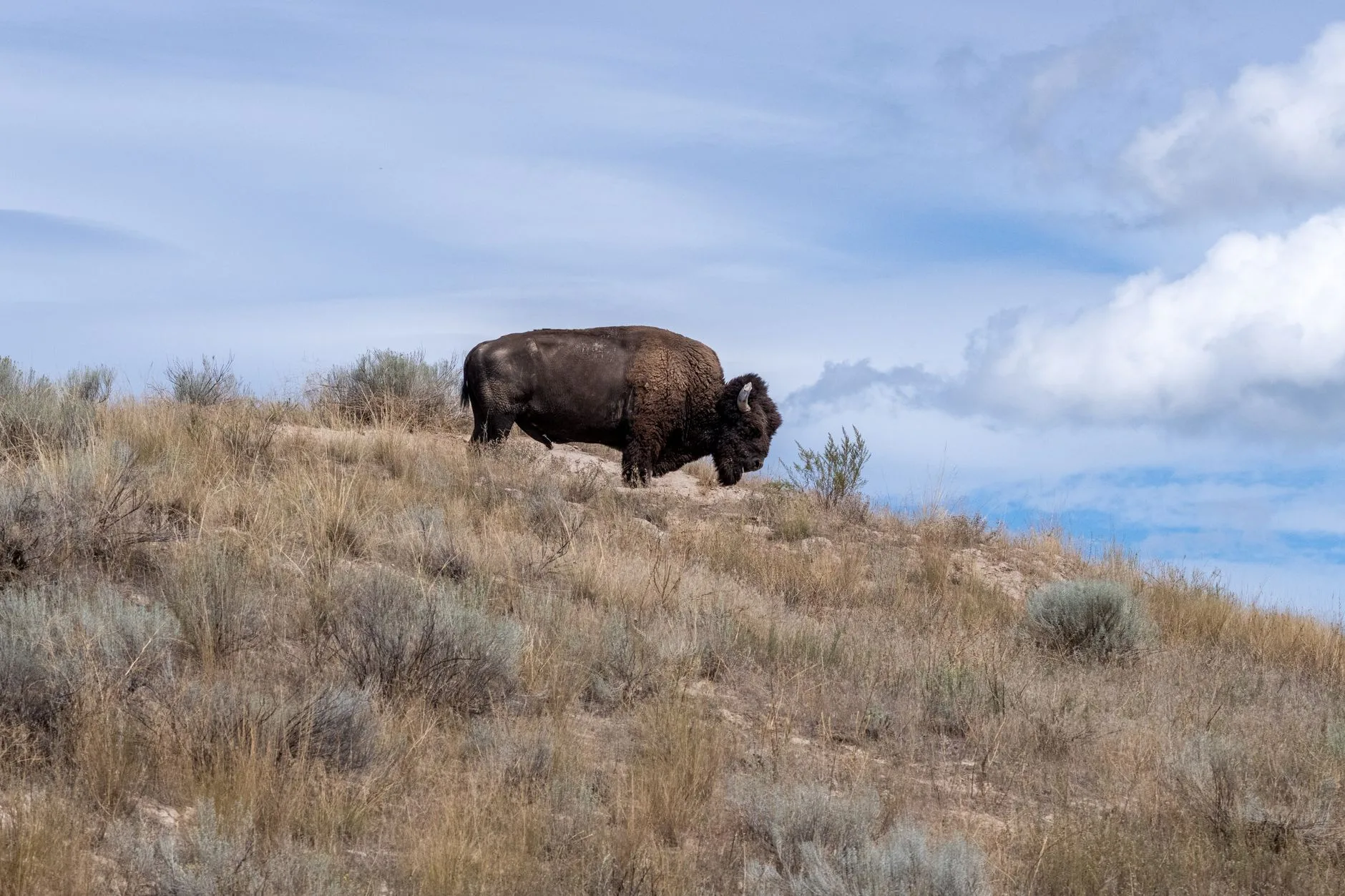
What makes this directly relevant to hunters and wildlife watchers is what happens to the land itself under each scenario. Bison are a keystone species — their wallowing, grazing patterns, and movement behavior create habitat diversity that benefits everything from swift fox to sharp-tailed grouse to mule deer. If you’ve ever hunted the CMR National Wildlife Refuge or floated the Missouri through the White Cliffs section and noticed how the country changes where the livestock pressure drops off, you’ve already seen the ecological difference. That said, well-managed cattle grazing isn’t the ecological wasteland some make it out to be, and plenty of Montana’s best upland bird country sits inside working ranches with active grazing leases. The question is really about scale, intensity, and who gets to make those calls on ground that technically belongs to all of us.
Montana’s public land grazing debate isn’t going away — if anything, it’s going to get louder as American Prairie continues to expand its footprint and state legislators continue pushing back with bills aimed at limiting their influence. Before you form an opinion based on a bumper sticker or a social media argument, watch this one. It’s the kind of grounded, on-the-ground journalism that reminds you why these fights matter — not just for ranchers or conservationists, but for everyone who shows up in October with a deer tag and a good pair of boots.
Montana's outdoor week, in your inbox at 7am Friday.