
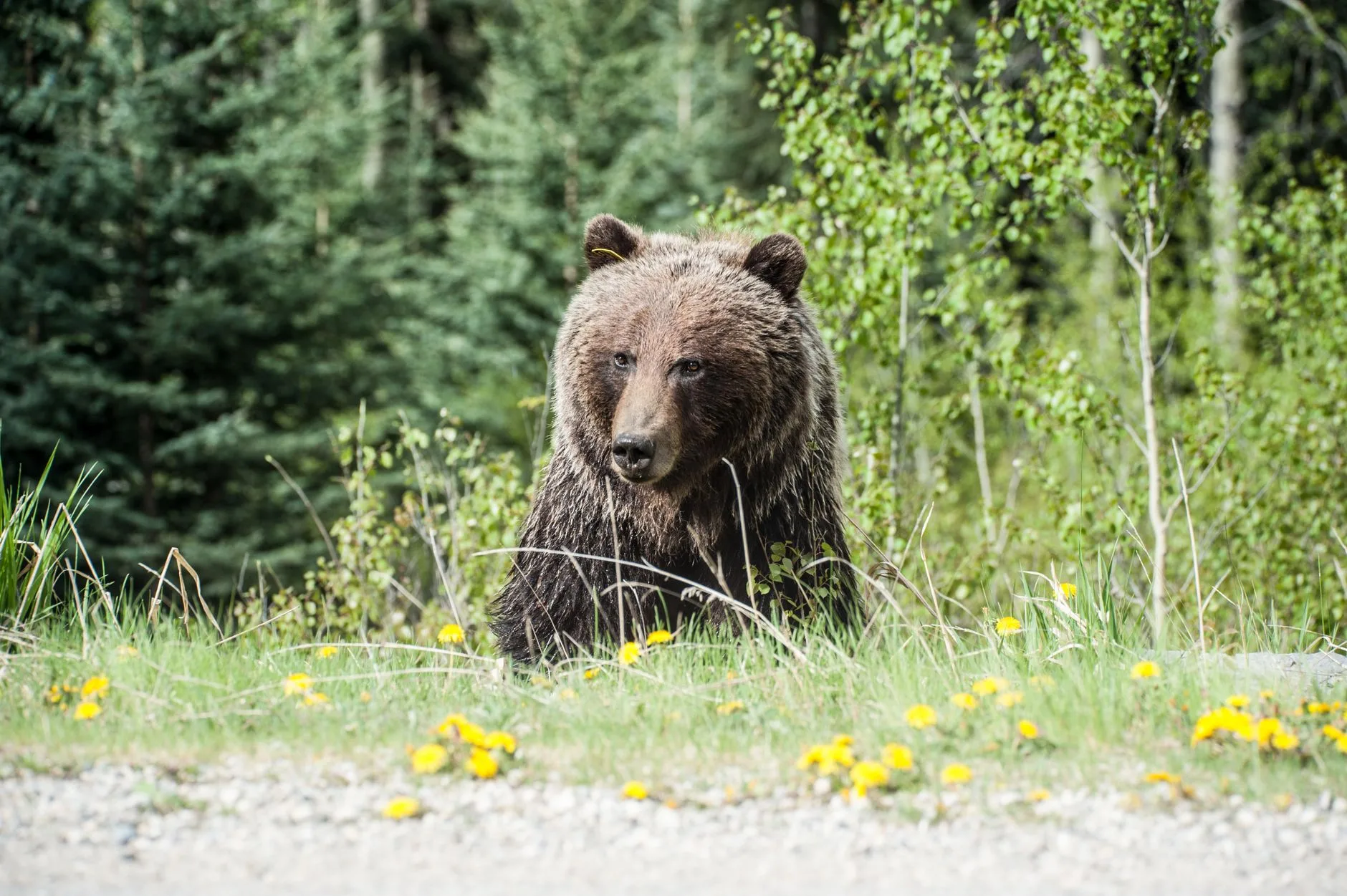
Eighty-one dead grizzlies. That’s the count in the Greater Yellowstone Ecosystem so far this calendar year, with at least one more mortality not yet logged. It’s the highest in modern times, and the third straight year the record has fallen. Plenty of bears are still on the move and haven’t denned, so the final number isn’t in.
Sounds ugly. The folks who study these bears say it may be less ugly than it looks, and the story underneath beats the headline. If you hunt, fish, ranch, or just live in bear country in southwest Montana, you ought to know what’s going on.
The Numbers, Plainly
According to the Interagency Grizzly Bear Study Team database, as reported by WyoFile, this year’s total tops the previous highs: 74 in 2025, 72 in 2024, and 70 in 2021. Go back further and the counts ran higher. Biologist Frank Craighead tallied 120 bears dead in 1972, the year after Yellowstone closed its last garbage dumps, which scores of bruins had come to depend on.
About 65 percent of this year’s deaths were human-caused. That’s the norm. Several causes, though, ran well above average. Cattle and livestock depredation took 27 bears, about 1.6 times the average. Accidental deaths claimed 12, roughly double. Natural causes accounted for 11, about 3.6 times the average. Poaching killed 6, about three times the average.
Other categories ran at or below average or hadn’t been tallied yet. That includes self-defense killings, mistaken-identity incidents involving black bear hunters, and management removals.
Why Biologists Aren’t Sounding the Alarm
Dan Thompson, large carnivore supervisor for Wyoming Game and Fish, says the population has so far absorbed the losses without declining. His reasoning comes down to recruitment: “We forget that there are over 300 bears born in the ecosystem every year.” Adult females, the reproductive engine of the whole population, also fared relatively well. Only one was killed in an agency action inside the demographic monitoring area.
Chris Servheen, the former Grizzly Bear Recovery Coordinator, has a biological explanation for the spike in natural deaths. As densities rise, he said, adult males kill more subadults, and the population slows its own growth. “Grizzly bears are self-regulating,” he said. He judges the population by its trajectory, not by any single year’s tally. If that trajectory turned downward, he’d be worried. So far it hasn’t.
IGBST leader Matt Gould cautioned against reading too much into one year. Swings in causes of death are natural, and they’re often big. That’s exactly why long-term monitoring matters. One bad season tells you little. A decade of data tells you plenty.
The Livestock Number Is the One to Watch
Honestly, if you run cattle in Montana, those 27 livestock-related deaths should be the number that grabs you. Conflict bears tend to be bears pushing into places with cattle, grain, and unsecured attractants. Thompson raised the possibility that high mortality could become the new normal as grizzly densities grow along the ecosystem’s edges. He said it’s too early to call.
That edge is where more and more Montanans live and work. Bears have spread into country well beyond the park, and the people out there are the ones who can most directly shape these outcomes by how they handle attractants. In my experience, most conflicts start with something avoidable. A grain bin left open. A calf carcass nobody hauled off. Small stuff.
What You Can Do This Fall
Fall is when hunters and bears overlap most, and it’s also when bears are eating heavily before denning. A few habits matter:
- Carry bear spray and know how to use it. Keep it on your body, not in your pack or truck.
- Positively identify your target. Mistaken-identity deaths of grizzlies during black bear hunts are a documented cause of mortality. Know what you’re looking at before you shoot, and check current identification requirements and any bear ID testing rules with Montana FWP.
- Handle gut piles and carcasses with care. A downed animal can draw a bear. Get meat out promptly, stay alert when you go back for a second load, and ask FWP for current guidance on carcass handling in your hunting district.
Around camps, cabins, and ranches, lock up your food, garbage, and livestock feed. Attractants are a leading route to conflict, and they’re the easiest thing to fix. And if you see poaching, report it. Six illegal kills this year is six too many, and Montana’s TIP-MONT line is where those calls go.
What Comes Next
The tri-state managers in Wyoming, Montana, and Idaho are anticipating a third attempt at delisting grizzlies from threatened status under the Endangered Species Act, according to the source reporting. Meanwhile, the U.S. Fish and Wildlife Service is finalizing a rule that would give the states more management latitude. Past delisting attempts have been reversed in court, so nothing about the outcome is guaranteed.
A record mortality year isn’t the same as a population in trouble. If you ask me, that’s the part the headlines miss. The bears are numerous enough that the ecosystem is starting to regulate itself. The open question is how much more room Montana’s grizzly country can hold, and how well the people living alongside these bears handle the overlap.
Montana's outdoor week, in your inbox at 7am Friday.