
Helena Area Reservoirs Fishing Report – October 5, 2026
Early October is one of the most productive times of year to fish the Helena area reservoirs. Cooling water temperatures push fish into more predictable patterns, walleye become increasingly aggressive as they feed up for winter, and rainbow trout spread throughout the water column in ways that reward both trollers and fly fishers. Here’s the full rundown from Montana Fish, Wildlife & Parks biologists on what’s happening right now at Canyon Ferry, Hauser, Holter, and the Helena Valley Regulating Reservoir.
Canyon Ferry Reservoir
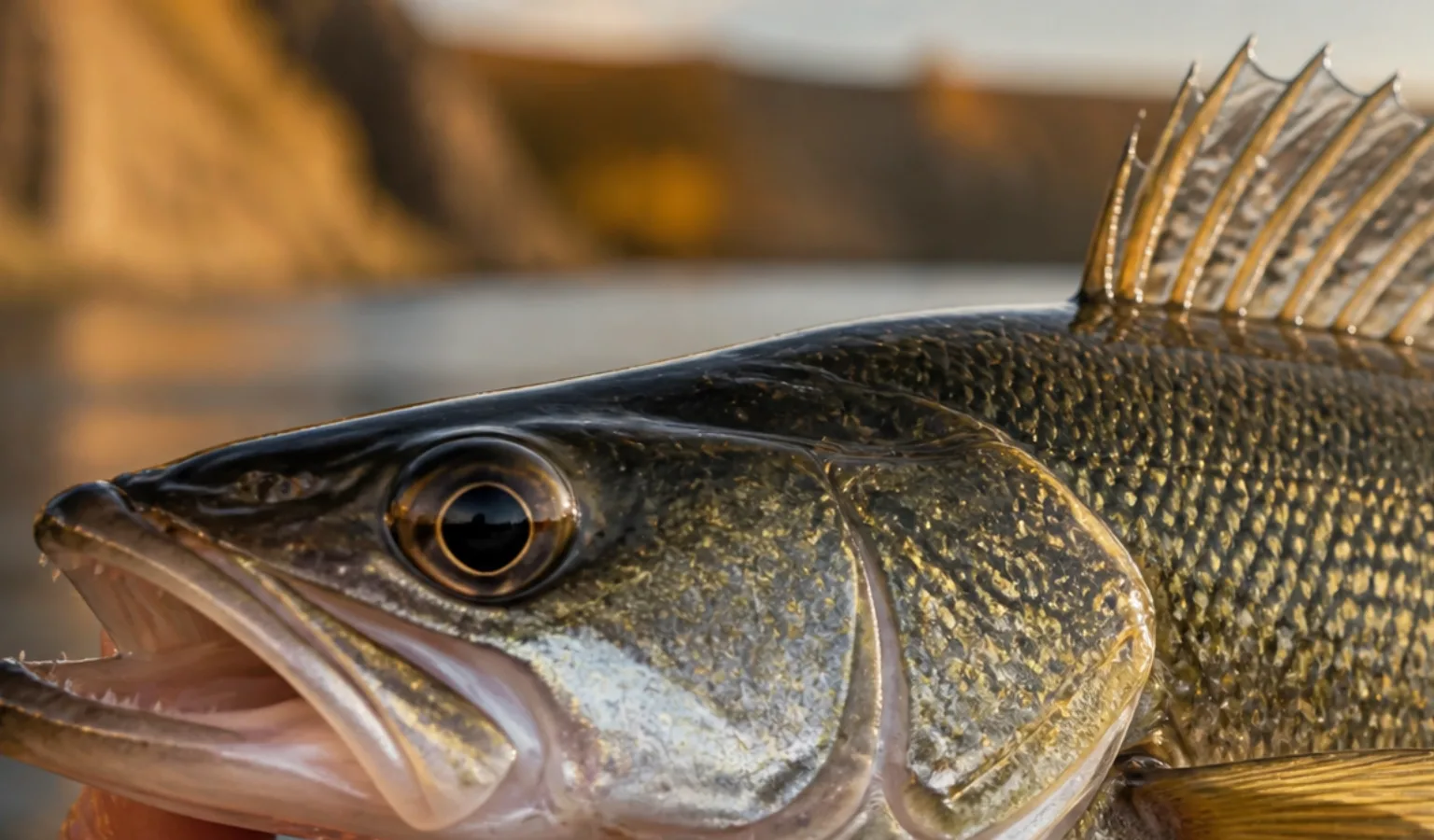
Canyon Ferry: The walleye bite has really picked up on the south end of the reservoir with anglers trolling bottom bouncers with pink spinners and a worm harness in 10 to 15 feet of water around Ponds 1 and 2 and between the river mouth and Pond 4. Pink and gold crankbaits have been working as well. There are reports of a few walleyes being caught north and south of Goose Bay also. Rainbows are being caught on walleye gear, lures or cowbells throughout the reservoir with the south end producing the best action. An occasional perch is being caught by walleye anglers. Troy Humphrey, FWP, Helena
Why the South End Is Producing
The south end of Canyon Ferry consistently heats up for walleye in early fall for a few key reasons. As the Missouri River enters the reservoir near the Ponds area, it carries nutrients and baitfish that congregate walleye in those shallower, warmer transition zones. The 10-to-15-foot depth range being targeted right now is a classic fall walleye zone — deep enough that fish feel secure, but shallow enough that they’re actively chasing forage rather than suspended in the cold, deeper basin.
Bottom bouncers with spinner-and-worm harnesses are a proven setup for Canyon Ferry walleye because they keep your presentation just above the bottom while covering water efficiently. Pink is a standout color on this reservoir, and it’s worth having several spinner sizes on hand to match the mood of the fish. If the bite slows on a specific rig, dropping down to a smaller hook size or slowing your troll speed even slightly can make a significant difference in hookups.
Anglers picking up rainbows on walleye gear shouldn’t be surprised — Canyon Ferry holds a strong rainbow population, and cowbells remain one of the most versatile setups on the lake year-round. If you’re specifically targeting rainbows, pay attention to surface temperature breaks and look for areas where wind has concentrated surface food.
Hauser Lake
Hauser: Rainbow action has been good near the shorelines at the Causeway and Spokane Creek while using streamer or leech pattern flies. Trolling various crankbaits or cowbells with wedding rings is also producing a few trout near York Bridge and Black Sandy. A few nice walleye are being picked up near Dana Point and across from Black Sandy while using perch-colored jigs tipped crawlers or slip bobbers and leeches. Chris Hurley, FWP, Helena
Fly Fishing Hauser in October
Hauser Lake doesn’t always get the fly fishing attention it deserves, but early October is an ideal time to give it serious consideration. The shoreline areas near the Causeway and Spokane Creek offer relatively calm, structured water where rainbows are moving in to feed on leeches and small baitfish staging near the bank. Streamer patterns in black, olive, or natural leech colors fished on a slow, erratic strip can draw aggressive strikes from fish that have been feeding heavily in preparation for winter.
For spin anglers, the York Bridge area has a history of holding trout that are willing to chase hardware, making crankbaits and cowbell rigs effective through much of the fall season. Matching your crankbait retrieve to the water temperature — generally slower as temps drop — will help you stay in contact with fish that are becoming slightly more lethargic as October progresses.
Hauser Walleye Tips
The walleye bite at Hauser, while secondary to what Canyon Ferry produces, can be excellent for anglers who target the right structure. Dana Point and the area across from Black Sandy both offer the kind of hard bottom and depth transitions that walleye gravitate toward in fall. Perch-colored jigs make sense right now because yellow perch are a primary forage species in Hauser, and walleye are keying in on them. If jigs aren’t producing, slip bobbers with leeches suspended just off the bottom can be a deadly alternative, particularly during low-light periods at dawn and dusk.
Holter Lake
Holter: Rainbow fishing continues to be great, especially on the lower end of the reservoir while trolling almost anything shiny. Some of the best places to catch good numbers of trout have been near Black Beach, Split Rock, the Oxbow Bend, and just above Holter Dam. Fly fishing between the Gates of the Mountains and Hauser Dam with streamers or leech patterns has been popular as well. A few walleye and perch are being caught inside the Canyon, near the Sleeping Giant, Cottonwood Creek, and near the Clay Banks while jigging in 25 to 40 feet of water. Kokanee fishing near the dam has slowed down. Chris Hurley, FWP, Helena
Trolling Holter for Rainbows
Holter’s reputation as a trophy rainbow fishery is well-earned, and the lower end of the reservoir in October is about as good as it gets. The instruction to troll “almost anything shiny” reflects a real truth about this lake in the fall — active rainbows are not particularly selective, and a wide variety of spoons, crankbaits, and cowbell rigs will get bit. That said, matching the size of your lure to the primary forage in a given area can help you dial in on larger fish rather than simply catching numbers.
Black Beach, Split Rock, and the Oxbow Bend are all structurally diverse areas with depth changes and points that concentrate fish. Trolling parallel to these features rather than directly over them often puts your lure in the strike zone longer. Adjust your lead length and trolling depth based on where fish are marking on your electronics.
Fly Fishing the Gates of the Mountains
The stretch of water between the Gates of the Mountains and Hauser Dam is one of the more unique fly fishing opportunities in the Helena area. The canyon geography creates natural current seams and feeding lanes, and the fish that hold in this section tend to be in good condition. Streamer fishing with sink-tip lines is particularly effective in October, as trout are looking for high-calorie meals before winter sets in. Access to this area is primarily by boat, so plan accordingly and always check current conditions before heading in.
Holter Walleye and Perch
Deeper jigging in the 25-to-40-foot range inside the Canyon is a technique that rewards patience. Holter’s walleye don’t always come easy, but the fish found in these deeper canyon sections tend to be quality fish. Vertical jigging with blade baits or heavier finesse jigs can be especially productive when walleye are holding tight to the bottom. Perch activity in the same areas is a good sign — where perch are schooling, walleye typically aren’t far away.
Helena Valley Regulating Reservoir
Helena Valley Regulating Reservoir: Snagging has been going well, and anglers are seeing larger fish this year. The snagging season for Kokanee Salmon opened on September 1st and will run through October 31st. Limits are 35 salmon daily with 70 in possession. Chris Hurley, FWP, Helena
Making the Most of Kokanee Snagging Season
Kokanee snagging at the Helena Valley Regulating Reservoir is a beloved fall tradition for Helena-area anglers, and reports of larger fish this year make it worth a trip before the season closes on October 31st. Kokanee salmon enter their spawning phase in the fall, which changes their behavior dramatically — they stop feeding and become territorial and aggressive, which is what makes snagging a viable harvest method during this window.
The most effective snagging setups typically involve weighted treble hooks cast into areas where fish are visibly staging or holding. Look for fish near inlets and shallow, rocky areas where kokanee naturally move during their spawning run. Early morning tends to see the most fish activity before boat traffic and angler pressure push fish into deeper or less accessible areas.
As always, make sure you’re current on all applicable FWP regulations before heading out. Season dates, possession limits, and legal gear can change from year to year, so confirm the current rules at myfwp.mt.gov before your trip.
General Fall Fishing Notes for the Helena Reservoirs
October is a transitional month on all four of these reservoirs. Water temperatures are dropping steadily, which pushes fish into increasingly predictable patterns and feeding windows. Here are a few general tips that apply across the system right now:
- Fish low-light windows hard. Walleye and rainbow trout both become more active at dawn and dusk as water temperatures cool and light levels drop. If you can only get out for a few hours, make it the first or last hours of daylight.
- Watch the weather. A warm, stable stretch of fall weather can keep fish active and feeding near the surface. A sharp cold front, on the other hand, often pushes fish deeper and makes them temporarily less aggressive. Fish the day before a front when possible.
- Downsize your presentation as needed. Cooler water means slower metabolism for fish. If your go-to setup isn’t producing, try a smaller lure, slower retrieve, or lighter line before moving to a new location.
- Check access and boat ramp conditions. Fall usage on these reservoirs is generally lighter than summer, but ramp conditions can vary. Contact FWP or check current conditions online before launching.
Reports courtesy of Troy Humphrey and Chris Hurley, Montana Fish, Wildlife & Parks, Helena. Check back regularly for updated fishing reports throughout the fall season.
Montana's outdoor week, in your inbox at 7am Friday.