
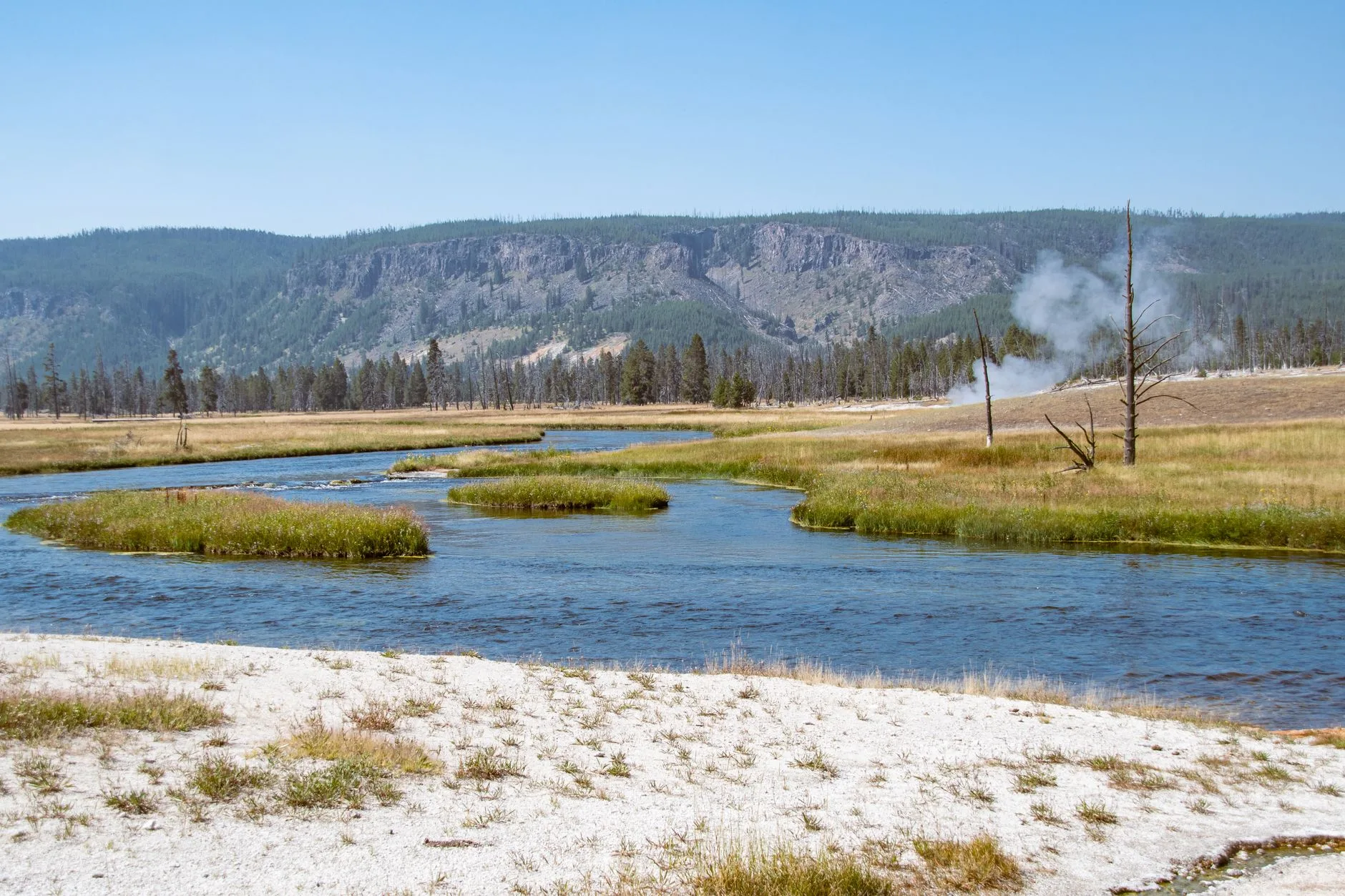
Yellowstone’s Wolves Are Back — So Why Aren’t the Willows?
If you’ve spent any time reading about Yellowstone’s wolf reintroduction, you’ve heard the story. Wolves came back, elk got nervous, elk stopped lounging in the willows along the creeks, the willows grew back, the songbirds returned, the beavers followed, the rivers stabilized. It was called a “trophic cascade,” and it became one of the most repeated ecological success stories of the last century. The only problem? Thirty years in, something isn’t adding up — and a new video from the channel Range Shift digs into exactly why.
For Montana hunters and anyone who spends time in the Greater Yellowstone Ecosystem, this isn’t an abstract academic question. Wolf numbers, elk behavior, and riparian health on the northern range directly affect what hunters encounter when they draw a Region 3 tag or glass the Gardiner Basin in November. The northern range elk herd — the same one that winters around Gardiner and draws hunters to the Paradise Valley corridor — has been at the center of the wolf debate since reintroduction began in 1995. When those elk numbers dropped hard in the early 2000s, wolves took a lot of the blame. But the willows along Soda Butte Creek and the Lamar River still haven’t bounced back the way the original trophic cascade research predicted. That’s a problem worth taking seriously, whether you love wolves, hate them, or land somewhere in the complicated middle like most Montanans do.
What Range Shift gets right is resisting the urge to make this a pro-wolf or anti-wolf argument. The science itself is being questioned — not by ranchers or hunting outfitters, but by ecologists who championed the reintroduction in the first place. Factors like drought, soil compaction, and the sheer complexity of how large predators actually influence prey behavior at a landscape scale are all in play. The “landscape of fear” model — the idea that just the presence of wolves would keep elk on the move and let vegetation recover — turns out to be messier in practice than it looked in the papers. If you’ve ever sat along the Yellowstone River near Corwin Springs in late October and watched elk bed down in the flats like there isn’t a wolf in the world, you already knew that.
This is the kind of nuanced, honest look at a complicated wildlife story that doesn’t get enough airtime. Give it a watch. Then go outside and form your own opinion — preferably somewhere in Montana with a good pair of binoculars and a hunting license in your pocket.