
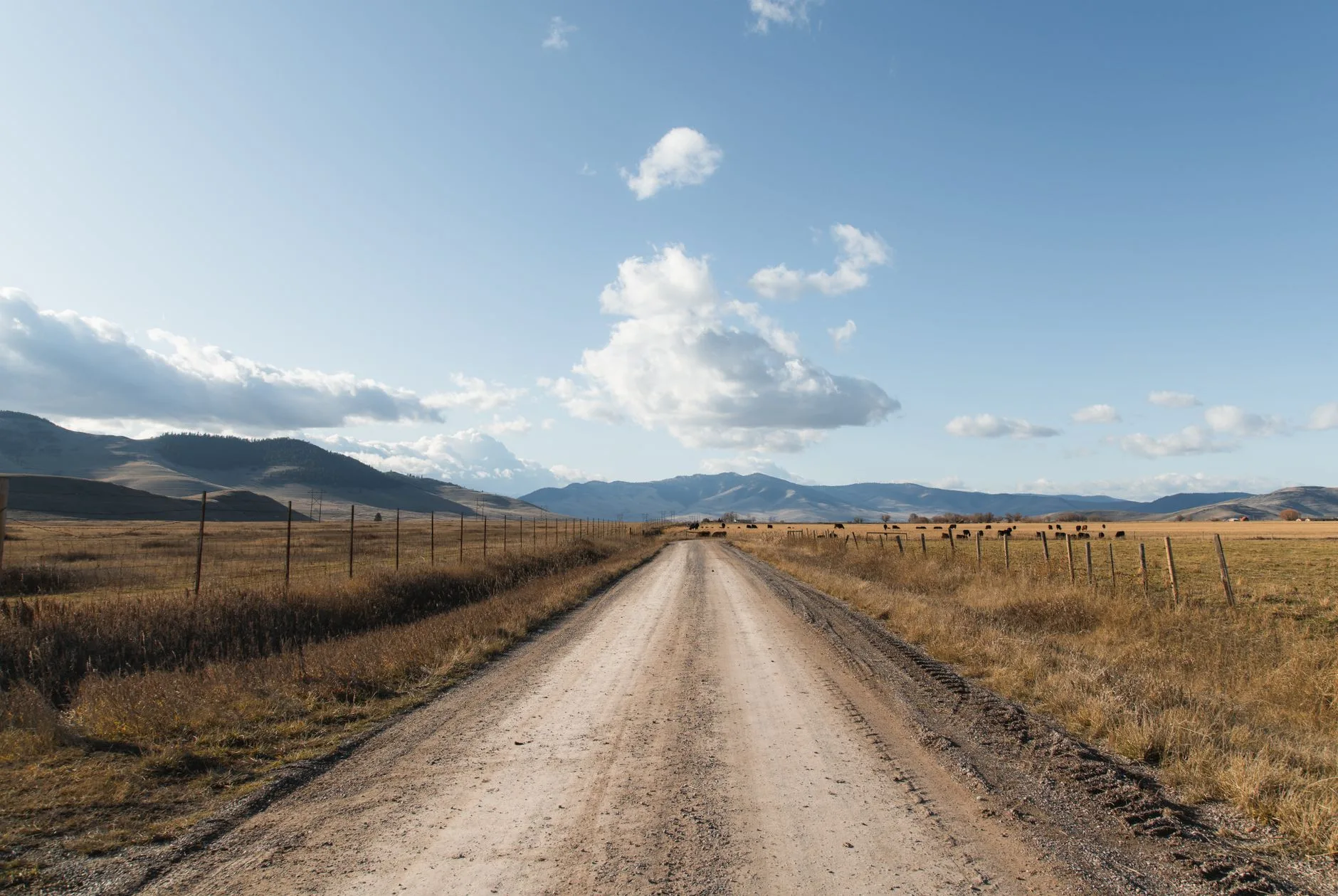
Picture a section of BLM ground with elk bedded in the timber, a trailhead you can’t find because there isn’t one, and a boundary that exists only as a corner marker in the sagebrush. You’re standing at one corner of that public parcel. The next public parcel touches yours at a single point. Step across that point, and you might be a trespasser. Stay put, and you’ll never reach the land you own.
That’s the reality behind more than 800,000 acres of Montana public land that are effectively closed to the people who own them. Montana PBS takes a hard look at the corner-crossing fight in a new piece, and it’s worth your time before the next hunting season rolls around.
If you’ve hunted much of central or eastern Montana, you already know how this happens. Railroad land grants in the 1800s created checkerboard ownership, alternating public and private sections laid out like a chessboard. Where those squares meet diagonally, the only way from one public section to the next is across the corner, and that corner often hangs in the air above private ground. No fence gets climbed, no gate gets opened, no foot touches private soil in the way most folks imagine. But the airspace argument has kept landowners, sportsmen, and lawyers busy for years.
The Wyoming case that made national headlines, where hunters were hauled into court for stepping from one public section to another, put this issue on everyone’s radar. Montana hunters watched that closely, because we have the same checkerboard geometry across huge stretches of the state. The difference is that our access landscape has its own wrinkles: stream access laws that protect your right to the high-water mark, a strong tradition of landowners allowing hunters through Block Management, and a legislature that has wrestled with trespass and access bills every session.
What I appreciate about this report is that it doesn’t treat landowners as villains or hunters as saints. Plenty of ranchers have legitimate worries about gates left open, livestock disturbed, and strangers wandering their property. Plenty of hunters have legitimate frustration at being locked out of ground their tax dollars help manage. Both things can be true, and the solution probably isn’t a courtroom showdown. It’s clear, enforceable rules that everybody understands before they step out of the truck.
Here’s why this matters for your fall plans. Landlocked parcels often hold some of the best unpressured elk and mule deer habitat in the state, precisely because nobody can get to them. Open that access responsibly and you change where animals live, where hunting pressure lands, and how a lot of rural Montana does business. Keep it closed and those acres stay a map fantasy.
Watch the video, then ask yourself where the corners are on your favorite unit. Check your onX, mark the spots where public sections kiss at a point, and think about what you’d do standing there. Then call your legislators and tell them. This issue gets decided by whoever shows up.
Montana's outdoor week, in your inbox at 7am Friday.