
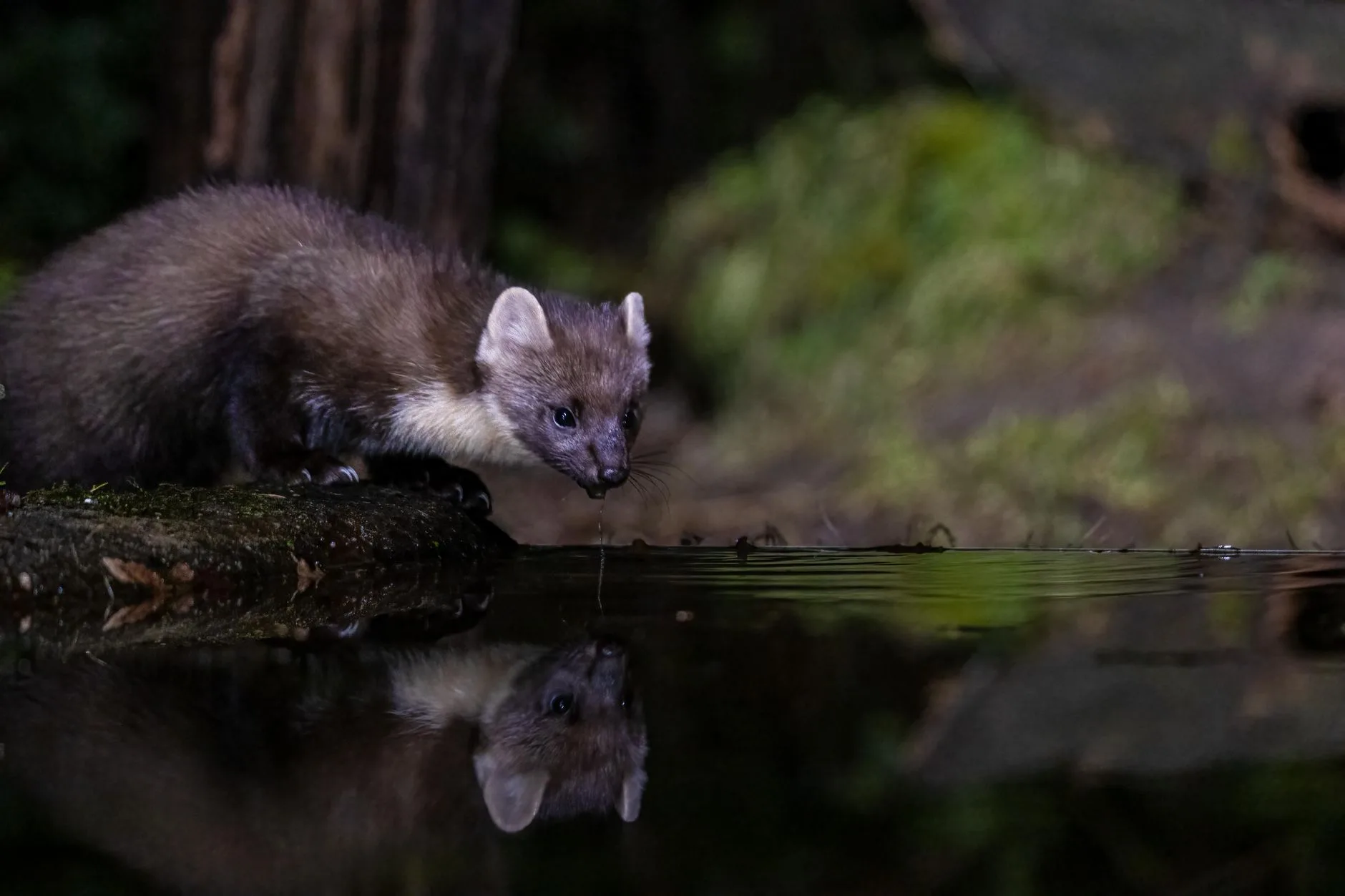
Most Montanans have never laid eyes on a marten. You might catch a flash of brown and orange moving through the lodgepole, or more likely you’ll just find tracks stitched across fresh snow near a drainage you didn’t expect. Now Montana Fish, Wildlife & Parks is doing something that doesn’t happen every day: carrying these elusive little predators back to a mountain range where they used to live and don’t anymore.
FWP’s video, “Bringing Martens Back: A Journey to a New Home,” follows that effort from start to finish. It’s worth a few minutes of your time, especially if you spend any part of your year in the high timber.
Here’s what stands out. Wildlife translocations get talked about like they’re simple: catch animals here, release them there. In reality, it’s a long chain of decisions. Biologists have to figure out whether the habitat can actually support the animals, where to source them without hurting the donor population, how to handle and move them with minimal stress, and how to track what happens afterward. The video gives you a glimpse of that behind-the-scenes work, and it’s a reminder of how much science sits behind what looks like a single truck ride.
Martens are a good example of why this matters. They’re picky. They want mature, structurally complex forest with plenty of downed wood and canopy cover, the kind of older timber that gives them denning sites, protection from predators, and good hunting for voles and squirrels. That makes them a decent barometer of forest health. Where martens do well, the woods are usually doing something right. Where they’ve vanished, it’s often a sign that the habitat, or the history of how that habitat was managed and trapped, tells a different story.
For Montana’s trapping community, this is also worth paying attention to. Martens are a regulated furbearer here, and seasons, quotas, and rules are set by FWP and the Fish and Wildlife Commission, so check the current furbearer regulations before you head out. Restoring a population in a new range is a long game, and it’s the kind of project where responsible harvest management and conservation go hand in hand. Trappers have historically contributed data, carcass samples, and on-the-ground knowledge that shapes how agencies understand these animals. That relationship matters when the goal is putting animals back on the landscape and keeping them there.
If you hunt, hike, or ski in Montana’s national forests, you’re already standing in marten country, or what could become marten country again. A lot of this ground is public land, which means the success of a project like this is, in a real sense, shared. Everyone who uses these places has a stake in whether they hold the full cast of animals that belong there.
So watch the video. See what it actually takes to move a wild animal from one range to another and give it a fair shot at a new life. And next time you’re breaking trail through deep snow in a quiet stand of old timber, look down. You might just see a set of tracks that wouldn’t have been there a few years ago.
Montana's outdoor week, in your inbox at 7am Friday.