
Inside the Darby Check Station Where Students Learn Real Wildlife Biology
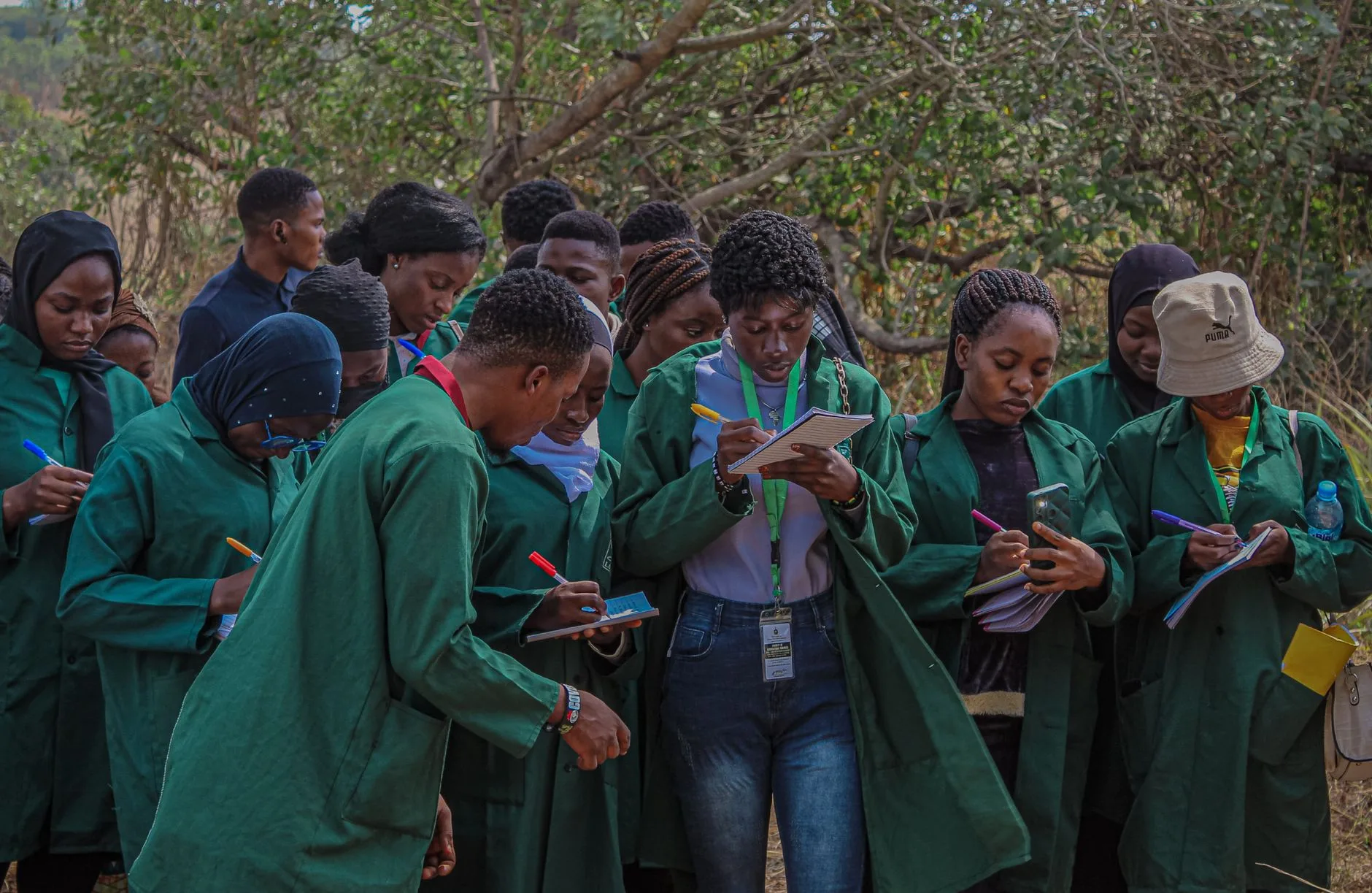
Every fall, the road out of the Bitterroot’s backcountry funnels hunters past a little spot in Darby where a game warden or biologist might wave you over. Most of us know the drill: pull in, answer a few questions, show what’s in the truck, get back on the road. What you might not have pictured is a University of Montana wildlife biology student on the other side of that window, clipboard in hand, doing the work that eventually shapes the seasons you hunt.
That’s the story NBC Montana tells in a recent piece on the partnership between Montana Fish, Wildlife & Parks and UM’s wildlife biology program, which puts students directly into the check station at Darby. It’s short, it’s worth a few minutes, and it gets at something hunters don’t always think about when we’re grumbling about being stopped on the way home.
Here’s the part that matters: check stations are one of the few places where biologists get a direct look at the harvest. Hunter numbers, success rates, the sex and age of animals coming out of a drainage, how many days people spent in the field. Combined with survey flights and winter counts, that data helps FWP decide on tag numbers, antlerless opportunities, and where pressure is landing. The Bitterroot is a good laboratory for it. Hunting district 270 and its neighbors cover steep, timbered country on the Bitterroot National Forest, with elk and mule deer moving between public ground and the private land lower in the valley. Understanding who’s hunting where, and what they’re finding, is the backbone of managing it.
And the students? That’s the quiet win. Wildlife biology can be a classroom-heavy degree, and plenty of graduates hit their first seasonal job without ever having talked to a hunter about a harvest or handled a tooth envelope. Standing at a check station teaches you fast. You learn how to ask questions without putting someone on the defensive, how to collect clean data from a cold, tired person who just packed out an elk, and how to see the human side of wildlife management. Hunters are the funding engine and the main data source for most of what FWP does, and a biologist who can work well with them is worth a lot to this state.
For those of us on the hunter side, it’s a good reminder to be the kind of person who makes that job easier. Answer honestly, be patient, and know that the little bit of info you share, whether you filled a tag or came home empty-handed, ends up in the numbers that drive future regulations. Skunked hunters matter as much as successful ones in a dataset.
If you hunt the Bitterroot, you’ve probably rolled through Darby more than once. Give the video a watch, and the next time someone with a clipboard flags you down, you’ll know there’s a good chance they’re learning the trade, and that you’re helping teach it.