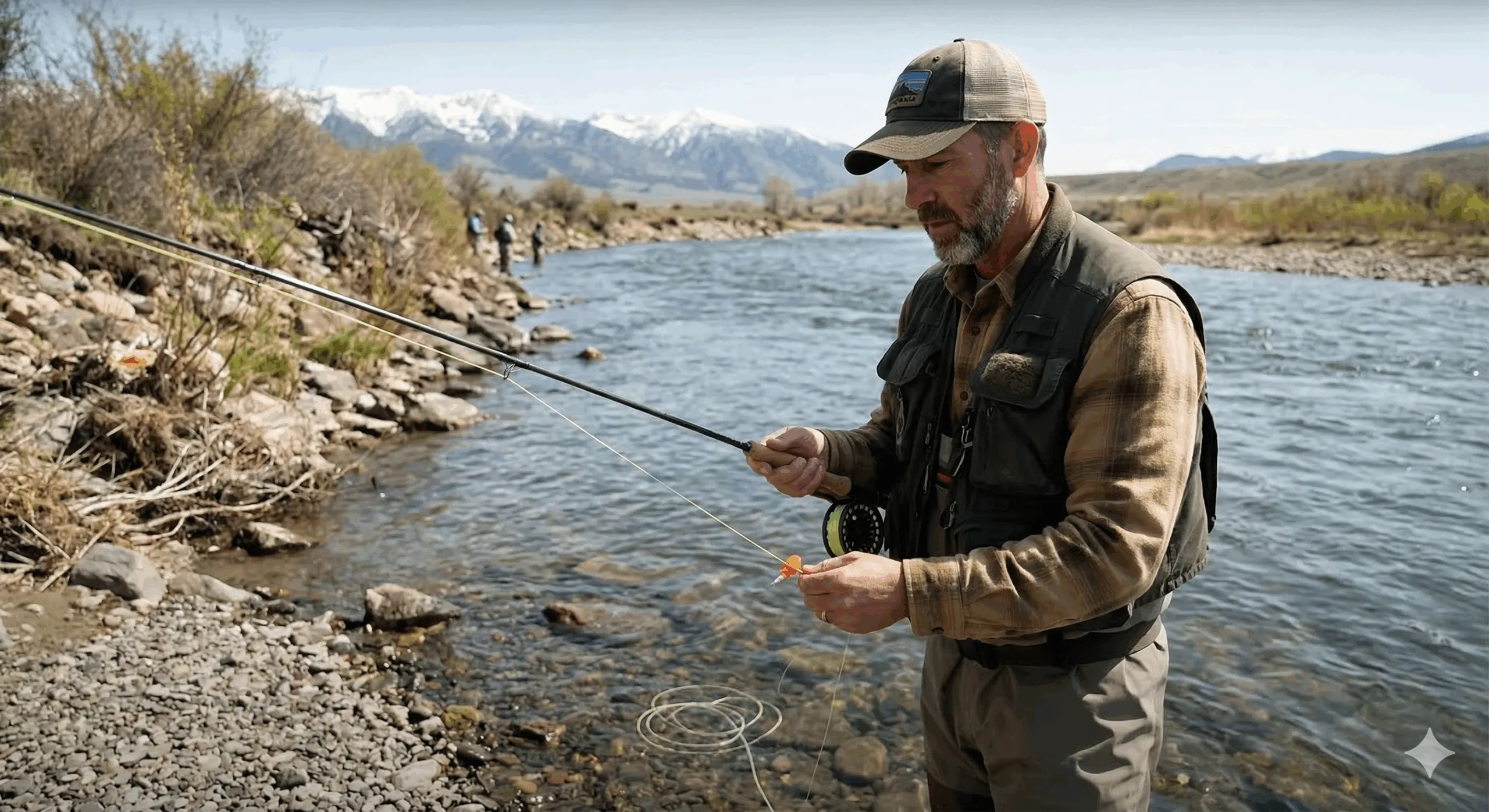
Drag kills more drifts than bad fly selection does. If you already know that and you’re still losing fish, you could be making one of four fixable mistakes — and a working Montana guide just laid them out on video. Tim Cammisa and outfitter Pierce Oja of Wet Net Outfitters didn’t pull these from a list. These are the adjustments they actually reach for on the water, trip after trip.
Guide advice hits different from generic YouTube content because guides fish the same stretches dozens of times a season and figure out shortcuts fast — their clients’ success depends on it. Montana’s blue-ribbon fisheries are technical waters. The trout in the Madison River corridor have seen every standard presentation in the book. The Yellowstone, coming off another strong year, is running clear and cold right now, and those cutthroats are selective. Little adjustments in leader setup, mending technique, or fly positioning aren’t just marginal improvements out here. They can be the difference between a fishless float and a day you’re still talking about in the truck on the way home.
The 4 Hacks Tim Covers
Here’s a quick breakdown of what Tim walks through in the video, so you have a reference even if you’re watching it on your phone streamside with spotty signal:
1. Adjust Your Indicator Depth More Aggressively Than You Think You Need To
Many anglers set their indicator once and leave it there all day. Tim’s point is that depth is a moving target — it changes run to run, even within the same stretch of river. On the Madison, especially, fish hold at varying depths depending on water temp and time of day, so getting your nymph into the strike zone means resetting more often than feels necessary. His rule of thumb: if you haven’t moved your indicator in the last twenty minutes, you’re probably fishing the wrong depth for at least part of what you’re covering.
2. Mend Earlier and Farther Upstream Than Feels Natural
Many anglers mend too late and too small — they’re correcting drag that’s already happened instead of preventing it. On bigger water like the Yellowstone or the lower Gallatin, getting a big upstream mend in before the current even has a chance to pull your line is the move. It feels almost like overcorrecting. That’s usually about right.
3. Use a Longer Tippet Section on Clear, Low Water
This one trips up anglers who learned on faster or murkier water. When Montana’s rivers drop and clear out in late spring and early summer, fish get a long look at everything coming their way. Tim recommends extending your tippet section — sometimes significantly — to put more distance between your strike indicator or fly line and the fly itself. On the upper Madison and spring-fed sections of the Gallatin, that adjustment alone can turn refusals into takes. Apparently, most people are fishing tippet sections that are way too short for late-June conditions on clear water, and they never figure out why the fish keep saying no.
4. Stop Fishing the Middle of the River
The instinct is to wade out as far as you can and bomb a cast to the far bank. Tim’s counter to that is the most consistent fish — especially on pressured water — are sitting in the seams and soft edges closer to shore than most people bother to fish. Wade in too deep and you’ve already walked through the best water. He specifically calls out near-bank structure on the Yellowstone’s walk-in stretches as some of the most overlooked holding water on the whole river. In my experience, that’s dead accurate. Many anglers have spooked more good fish wading than they probably care to admit.
Why This Matters for Montana’s Spring Season
Montana’s general fishing season for most streams opens the third Saturday in May. That window is closer than it feels, and the best dates on the best water book up fast — especially for guided float trips. If you’re thinking about hiring a guide this spring or summer, Wet Net Outfitters has a contact form linked in the video description. It’s a good idea to reach out sooner rather than later if you want any flexibility on timing.
Public land anglers have plenty of options, too. Montana’s walk-in access program and the state’s extensive network of fishing access sites along the Madison, Gallatin, and Yellowstone corridors mean you don’t need a drift boat to fish quality water. FWP’s fishing access site map is a solid starting point for planning a wade trip, and the walk-in stretches near Ennis, Livingston, and Bozeman are all accessible without a guided float.
Watch the video below, and write down the one tip that feels most foreign to you and practice it before heading out. That’s usually where improvement lives — not in buying new gear, but in fixing the one habit you didn’t know you had!