
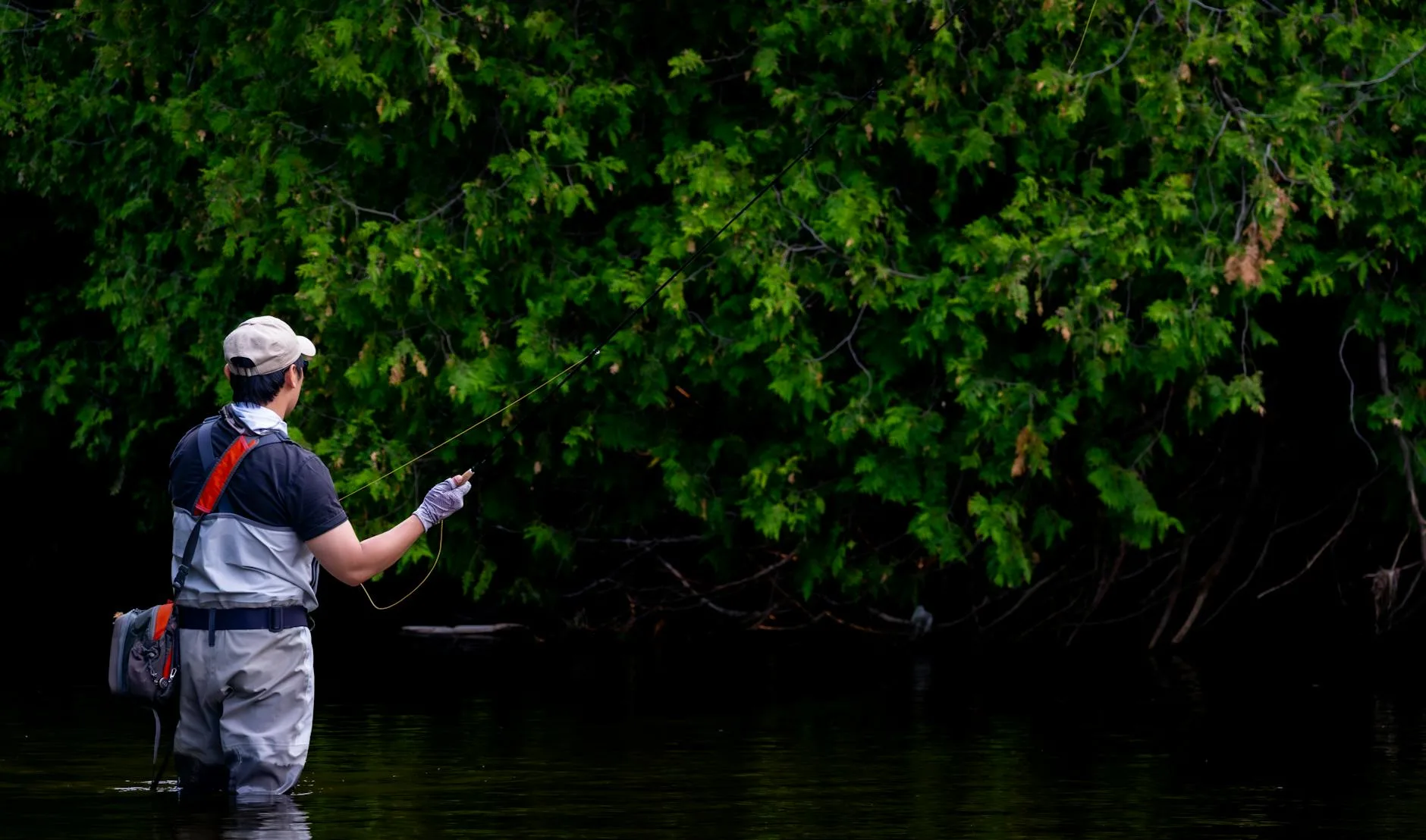
The window is closing fast. The Bitterroot is already running 55% above median, the Big Hole jumped 600 CFS in a single week, and Montana’s pre-runoff nymphing season isn’t winding down — it’s sprinting toward the exit. If you’ve been waiting for the “right time” to get out, stop waiting. This week is the right time. By next week, several of the best trout rivers in the state will be chocolate milk top to bottom, and they’ll stay that way until late May or June.
Here’s what you need to know to make smart decisions in the next five to seven days.
Why Pre-Runoff Nymphing Can Be The Best Fishing of the Year
Most casual anglers pack it in when flows start climbing. That’s a mistake. In the days just before a river goes fully turbid, trout feed aggressively. They sense the pressure change, water temps start creeping up from winter lows, and food — especially aquatic invertebrates dislodged by rising flows — suddenly becomes abundant. Big fish that sat dormant in tailouts all winter start actively hunting. Find water with 18 to 24 inches of visibility and fishable current speed, and you’ve got a legitimate shot at the best nymph fishing of the entire year. Not good fishing. The best.
The key is knowing which drainages are still in that sweet spot right now — and which ones have already crossed the line.
Rivers To Hit Right Now (As of Mid-March 2026)
Madison River — Still Your Best Bet
The Madison between Ennis and Varney Bridge is holding up better than almost anywhere in the state. Flows are elevated but visibility remains workable. The Gravelly and Madison Range snowpack is loaded — Upper Madison basin is sitting well above normal — but temperatures around Ennis haven’t spiked enough yet to trigger a hard flush. Fish this river in the next four to six days. Wade the slower inside seams below riffles and drop your nymphs into those transition zones where fast water dumps into pools. Fish stack there and wait for food to come to them. You won’t have to hunt hard.
Missouri River Below Holter Dam — Tailwater Reliability
The stretch from Holter Dam down through Craig and toward Cascade is your insurance policy when everything else blows out. Holter Dam regulates flow and keeps the Missouri clear virtually year-round — that’s just the reality of fishing tailwater. Right now it’s fishing well, flows are in a manageable range, and water temps just below the dam are cold enough to keep fish hugging the bottom seams. Honestly, the Missouri isn’t the sexy choice this time of year, but it’s the right call if you’ve missed your window on the freestone rivers. Check the FWP gauge near Ulm before you make the drive.
Upper Clark Fork Near Missoula — Watch It Closely
The Clark Fork through Missoula has been borderline all week. Visibility is marginal but still workable early in the morning, before daily snowmelt pushes afternoon flows higher. Fish it before 11 a.m. or don’t bother. In my experience, once that afternoon pulse hits the Clark Fork in March, you’re done — you’re just going through the motions. The window here is probably two to three days at most before turbidity makes nymphing effectively impossible.
Rivers That Are Effectively Done Until June
The Bitterroot is going to blow out hard and stay blown out. With Selway and Bitterroot Range snowpack still enormous and temps climbing, that 55%-above-median number is only going one direction. The Darby to Hamilton stretch may see brief morning fishability on the coldest mornings this week, but don’t plan a trip around it. The Big Hole out of Wisdom and Twin Bridges has already made its move — that 600 CFS jump is a signal, not a warning, and flows will keep rising. The Blackfoot east of Missoula is in similar shape. These are all rivers that’ll fish beautifully again come late May and June, but they’re not your targets right now. Save them.
Nymph Patterns Producing Right Now
In elevated, slightly off-color water, you need weight and you need color. Five patterns are doing most of the work across southwest and central Montana right now:
- Pat’s Rubber Legs, size 6-8 — The go-to attractor stonefly for dirty water. Drift it deep along the bottom in slow inside seams.
- Tungsten Zebra Midge, size 18-20 — Still critical on tailwaters like the Missouri. Fish it as a dropper below a heavier anchor nymph.
- Hare’s Ear, size 12-14, heavily weighted — Classic pre-runoff producer. The rough dubbing picks up ambient color and looks alive in turbid flows.
- Copper John, size 14, red or chartreuse — The flash cuts through off-color water. Trout key on it when visibility drops to 18 inches or less.
Don’t overlook a size 12 red or wine San Juan Worm, either. Rising water dislodges worms from the bank and trout know it. It’s not glamorous, but it flat-out works in March runoff conditions. Leave your ego at the truck.
Rigging and Tactics for Rising Flows
Run a tight-line or euro nymphing setup whenever you can — high-stick your rig through the slower inside seams where fish won’t fight current all day. Add split shot aggressively. The standard rule in rising water is to add 30% more weight than you think you need, and that’s not an exaggeration. Use a longer leader, 12 to 14 feet, to keep your indicator or sighter well above the fly. Then slow your drift down. Trout in cold, rising water don’t chase. They eat what comes directly to them, or they don’t eat at all.
Watch the afternoon temperatures in the forecast. Anything pushing into the upper 50s Fahrenheit in valley bottoms will accelerate snowmelt and blow flows up fast by late afternoon. Your window is in the morning. Set your alarm and be on the water early — that’s not a suggestion, it’s just how this fishing works right now.
Make Your Move This Week
The Madison between Ennis and Varney Bridge is your best play. The Missouri below Holter is your fallback. Every other freestone river in western Montana is either right on the edge or already gone for the season. Don’t wait for a better forecast or a less busy weekend. The water doesn’t care about your schedule, and the pre-runoff window sure doesn’t either.