
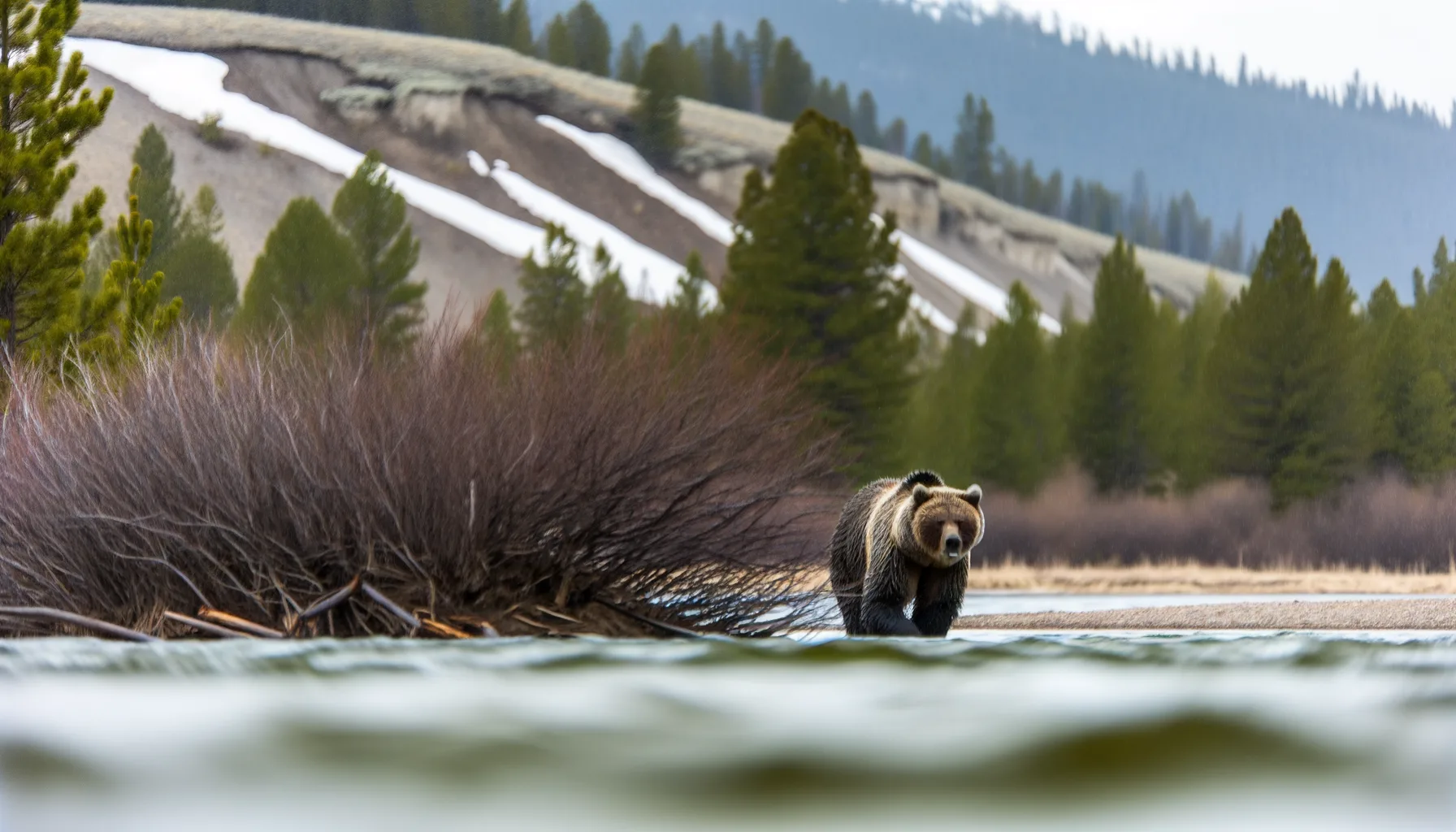
As March temperatures climb across Montana, wildlife officials are reporting increased bear activity throughout the state. Recent sightings near popular outdoor recreation areas signal that it’s time for hunters, anglers, and hikers to refresh their knowledge of Montana bear safety protocols before heading into the backcountry.
Current Spring Bear Activity Reports
Montana Fish, Wildlife & Parks has confirmed multiple grizzly bear Montana sightings in the past two weeks, with activity concentrated around Glacier National Park, the Bob Marshall Wilderness Complex, and areas near West Yellowstone. Black bears are emerging throughout western Montana, with notable activity reported in the Bitterroot, Gallatin, and Cabinet Mountain ranges.
Game wardens in the Flathead Valley documented three separate grizzly encounters this week alone, including one near popular fishing access sites on the Flathead River where anglers are taking advantage of changing water conditions. With ice beginning to break up on mountain lakes and streams coming to life, bears are naturally drawn to the same areas that attract outdoor enthusiasts.
“We’re seeing typical spring bear activity patterns, but perhaps a week or two earlier than usual,” explains regional wildlife biologist Sarah Martinez. “The combination of warming temperatures and accessible food sources is bringing bears out of their dens right as outdoor recreation picks up.”
Understanding Bear Behavior in Spring
Spring presents unique challenges for bear safety because both grizzlies and black bears are emerging from months of dormancy with depleted energy reserves. They’re actively seeking high-calorie food sources and may be more aggressive than during other seasons. Additionally, female bears with cubs are extremely protective, making any encounter potentially dangerous.
Bears emerging from hibernation are particularly drawn to:
- Winter-killed ungulates along river corridors
- Early spring vegetation in valley bottoms
- Spawning fish in streams and rivers
- Ant hills and other insect sources
- Human food sources and garbage
This puts them directly in the path of anglers heading to prime fishing spots like the Gallatin River, hunters scouting for shed antlers, and hikers exploring lower elevation trails that are finally snow-free.
Essential Gear for Bear Country
Every outdoor enthusiast venturing into Montana’s wilderness should carry proper bear safety equipment. Bear spray remains the most effective deterrent for both grizzly and black bear encounters, with studies showing 90% effectiveness in stopping aggressive bear behavior.
Bear spray essentials:
- EPA-approved spray with at least 7.9 ounces capacity
- Holster for quick access on your belt or pack strap
- Check expiration dates—replace spray every 3-4 years
- Practice deployment in a safe area before your trip
Beyond bear spray, consider carrying a whistle, keeping a clean camp, and storing food in bear-proof containers or hanging systems. Many popular camping areas now require certified bear canisters, especially in areas with known grizzly activity.
Black Bear Safety Protocols
While generally less aggressive than grizzlies, black bears deserve equal respect and caution. Black bear safety principles focus on prevention and proper response techniques. Black bears are excellent climbers and faster than any human, making avoidance the best strategy.
If you encounter a black bear:
- Make yourself appear large by raising your arms or jacket
- Speak in a calm, firm voice while backing away slowly
- If the bear approaches, make noise by yelling or banging objects
- As a last resort, fight back—black bears may retreat from aggressive resistance
Never run from a black bear, as this may trigger their chase instinct. Most black bear encounters end with the bear leaving the area once it detects human presence.
Grizzly Bear Encounter Strategies
Grizzly bear encounters require different tactics than black bear situations. Grizzlies are larger, more aggressive, and less likely to be intimidated by human presence. The key is avoiding surprise encounters through noise and awareness.
In grizzly country, always:
- Travel in groups of three or more people
- Make noise consistently, especially near streams or dense vegetation
- Stay alert and scan ahead for bear sign
- Keep children close and dogs on leash
- Avoid traveling at dawn, dusk, or nighttime
If you encounter a grizzly, your response depends on the situation. For defensive encounters where you surprised the bear, play dead by lying flat on your stomach, protecting your neck with your hands, and remaining still until the bear leaves the area. For predatory encounters where the bear is actively pursuing you, fight back with everything available.
Prevention is Key
The best bear encounter prevention starts before you leave home. Research recent bear activity in your destination area by checking FWP reports and local ranger stations. Plan your route to avoid known conflict areas and adjust timing to minimize risk.
Food storage cannot be overstated in importance. Bears have incredible noses—seven times better than bloodhounds—and can detect food odors from miles away. This includes toiletries, toothpaste, soap, and even scented lip balm. Everything with an odor should be stored properly.
Popular destinations like the Beartooth Mountains, Glacier backcountry, and areas around Yellowstone have specific food storage requirements. Contact local ranger districts for current regulations before your trip.
Special Considerations for Hunters and Anglers
Hunters and anglers face unique bear safety challenges because they often work in areas with natural attractants. Spring turkey hunters calling in thick brush may inadvertently attract curious bears. Shed antler hunters covering miles of terrain in prime bear habitat need heightened awareness. Anglers focused on water may miss signs of approaching bears.
If you’re field dressing game, work quickly and remain vigilant. The scent of blood and meat can draw bears from considerable distances. Consider packing out meat immediately rather than leaving it overnight, and never leave gut piles near trails or camping areas. When fishing, keep your catch secured and avoid leaving fish carcasses along the shoreline.
Montana’s spring season offers exceptional opportunities for outdoor recreation, but it requires respect for the bears that call these mountains home. By following proper safety protocols, carrying appropriate gear, and staying informed about current bear activity, you can minimize risks while enjoying everything this remarkable landscape has to offer.