
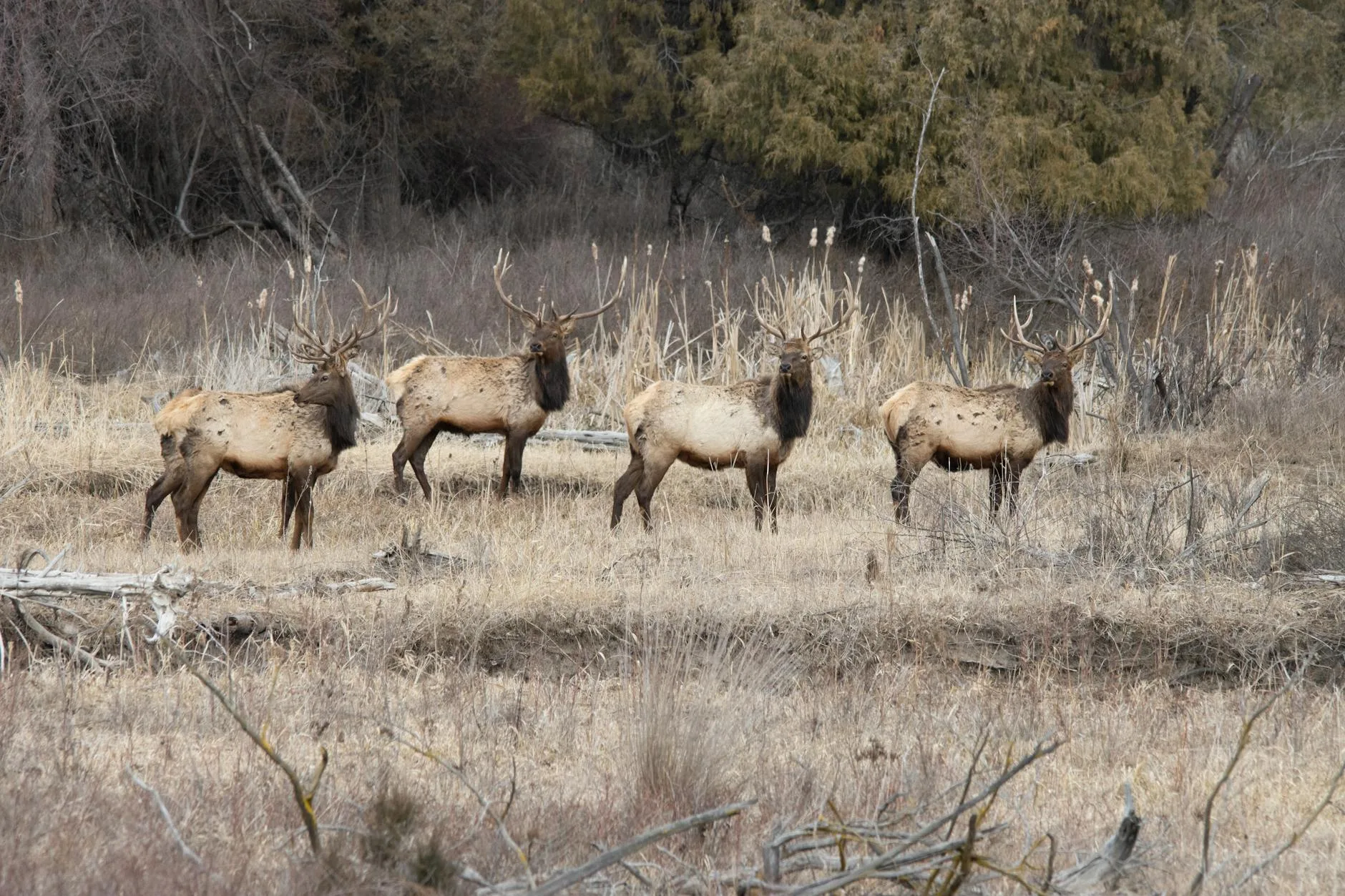
This weekend might be your last clean shot. Mid-March sits in a narrow, almost perfect window for shed hunting in Montana — the bulls and bucks have largely dropped, the snow is consolidating or pulling back from south-facing slopes, and the grass hasn’t exploded yet to swallow everything whole. In a normal year, you’d have until early April. But with this winter’s snowpack running well below average across much of the state’s central ranges, green-up is tracking ahead of schedule. If you’re serious about bones this spring, your window is right now.
What This Winter’s Snowpack Tells You About Shed Locations
The 2025–26 winter came in dry across the Bridger Range, the Crazy Mountains, and the upper Missouri Breaks country. That matters enormously for shed hunting strategy. In heavy snow years, elk and deer yard up tight — they cluster on south-facing ridgelines and winter range benches because that’s the only ground with exposed feed. Sheds pile up in predictable spots. This year was different. With lighter snowpack, animals spread out more throughout the winter, used a wider elevation band, and didn’t concentrate as hard on traditional thermal cover.
What that means on the ground: don’t limit yourself to the lowest-elevation winter range. Elk that would normally be pushed down to 4,800 to 5,400 feet in a tough winter likely wintered a few hundred feet higher this year. In the Bridgers, that means grid-walking those mid-elevation benches between 5,500 and 6,500 feet on the western and southern aspects. In the Crazies, think about the broken country between Halfmoon and Pine Creek drainages where the terrain offers shelter without forcing animals all the way to valley floors.
Bridger Mountains: Where to Focus Right Now
The Bridger Range north of Bozeman holds a solid population of both Rocky Mountain elk and mule deer, and the mix of Gallatin National Forest and scattered BLM parcels gives you legal access — if you do your homework on the USFS Motor Vehicle Use Map and onX before you go. Right now, the most productive zone is the eastern front of the Bridgers between Flathead Pass and Battle Ridge. These drainages funnel elk traffic coming off the high country, and the bench terrain above the tree line transition — roughly 5,800 to 6,400 feet — is where you want to be.
Walk the edges. Elk drop sheds along travel corridors, at creek crossings, and on the downhill side of any fence they’ve jumped. Bring good boots, not gaiters — you’ll hit wet, soft ground on the north slopes but dry, crunchy grass on the south-facing benches where most antlers will be lying.
Crazy Mountains: The Overlooked Gem
The Crazies don’t get nearly the shed hunting pressure they deserve, partly because access is a puzzle. The core of the range is private, but there is legitimate Gallatin National Forest access on the southern and southeastern drainages out of the Big Timber Creek and Sweetgrass Creek corridors. Check your boundaries carefully — this is an area where accidental trespass is easy and landowner relationships matter. Burn a bridge out here and you’re not the only one who pays for it.
That said, the public ground that does exist here is productive. The Crazies’ dramatic topography means animals winter on the lower benches between 5,200 and 6,000 feet on the south and west sides. Mule deer specifically concentrate in the rocky outcrop country just above the foothills. Walk the rimrock edges and the saddles between drainages — that’s where bucks shed during travel.
Missouri Breaks: Different Game, Different Strategy
The Breaks country between the Fred Robinson Bridge on Highway 191 and the CMR National Wildlife Refuge boundary is a different animal entirely. Here you’re hunting mule deer sheds almost exclusively, across a vast BLM landscape that rewards those who study terrain rather than just log miles. Right now, target the north-facing coulees and the brushy creek bottoms draining into the Missouri River corridor between Winifred and the UL Bend area.
Mule deer in the Breaks don’t travel the same tight corridors elk do. They disperse widely across broken badlands. Honestly, the hunters I’ve seen cover the most ground on foot out here often come home empty — the strategy that actually works is glassing. Sit on a high point with good optics and scan the clay banks and sagebrush benches below you before you walk. A white antler against gray clay is visible from 400 yards with 10x binoculars. Cover ground visually first, then walk to confirmed targets.
Legal Access: Know Before You Go
No shed hunting license is required in Montana, but you must be on legal public land — verify BLM and Forest Service boundaries on onX or the USFS Motor Vehicle Use Map before every outing. Some Wildlife Management Areas have seasonal closures to protect wintering wildlife, so check FWP’s current closure map before entering any WMA. Violations carry real fines, and the wardens in these areas aren’t just driving past. Sheds picked up inside National Parks are prohibited, and Yellowstone’s boundary is closer to some Bridger-area hunters than they realize. One more thing: if you’re accessing via a county road that crosses private land, make sure that road is truly public. A legal road corridor doesn’t give you the right to step off it onto private ground.
Gear It Light, Go Early
This isn’t a backpack trip. Shed hunting in Montana in March means variable conditions — you can be in shirtsleeves on a south slope at noon and back in a light shell within an hour. Carry water, a light pack, and polarized sunglasses — the glare off wet snow remnants will kill your visibility faster than anything else. Start moving by 7 a.m. when shadows are long and antlers cast contrast. By midday, flat light flattens everything and your find rate drops hard. In my experience, more than half my sheds in a day come in the first three hours. Get out early, work the light, and get back to the truck before you’re grinding miles for nothing.