
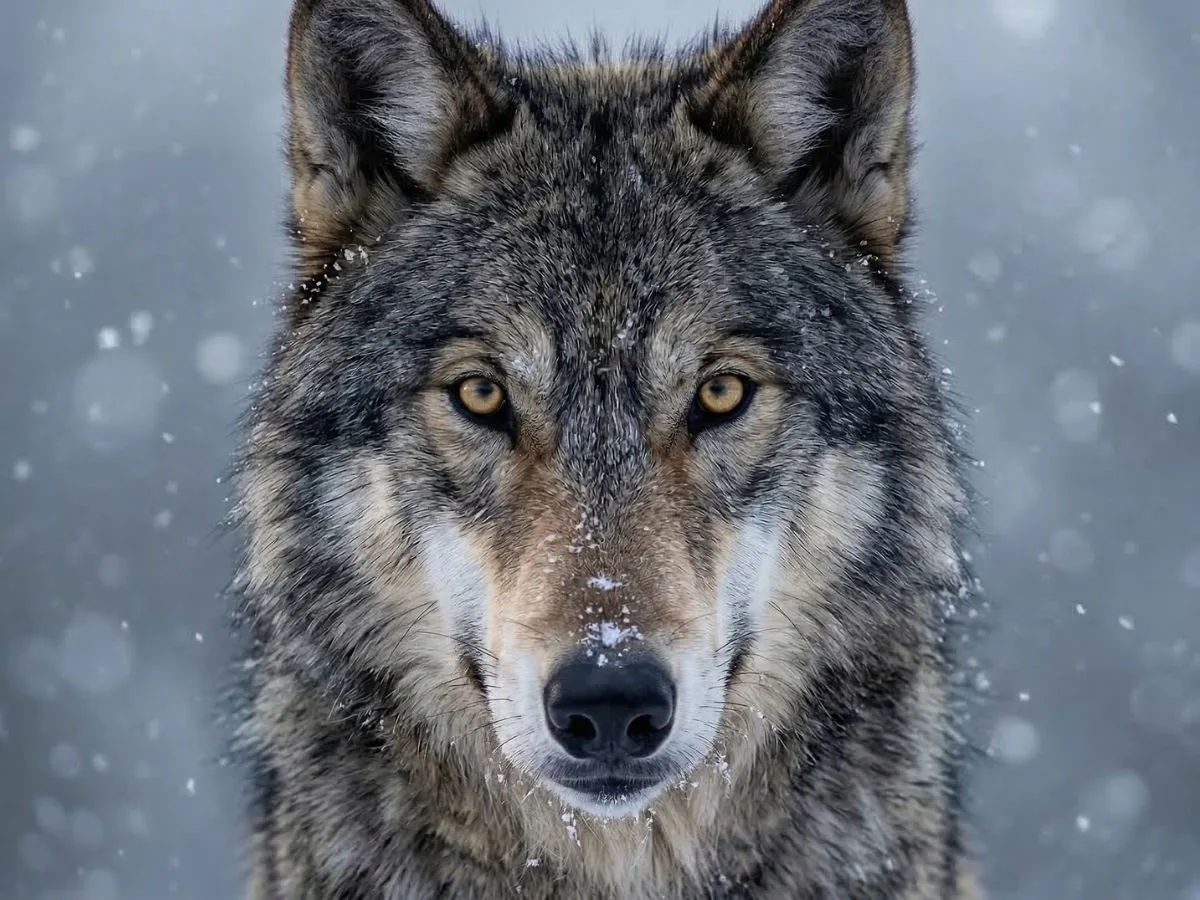
If you’ve been refreshing the Montana Fish, Wildlife & Parks (FWP) dashboard lately—and let’s be honest, in this state, it’s basically a spectator sport—the scoreboard just went dark. As of March 15th, the wolf season has officially crossed the finish line and headed into the off-season.
Whether you’re a seasoned hunter, a wildlife enthusiast, or just a map nerd, the final data from this cycle is telling a fascinating story about Montana’s wilder residents.
The Final Scoreboard: Quotas vs. Reality
Now that the dust (and snow) has settled, the numbers show a season of “almosts.” The final tally sits at 243 wolves harvested out of a statewide quota of 452.
In the world of wildlife management, it’s not just about the total; it’s also about the geography.
The Quota Breakdown: Regional Highs and Lows
Here’s how the regions stacked up before the March 15th buzzer:
- Region 1 (Northwest MT): Crowned the “leader of the pack” with 98 harvests.
- Region 2 (West Central MT): Followed closely with 79.
- Region 3 (Southwest MT): With 54 harvests, Region 3 was officially CLOSED before the season ended because they hit their specific threshold.
- Regions 6 & 7: Sitting at a grand total of… zero.
The Season That Was: 2025/2026 Calendar
Since today is March 18th, these dates are now officially in the history books. If you missed the window, you’ll have to wait for the next cycle to roll around. These were the 2025-2026 season dates, but they may change for the 2026/2027 season:
- Archery Only Season: Sept. 6, 2025 – Sept. 14, 2025
- General Season: Sept. 15, 2025 – March 15, 2026
- Trapping Season *: Dec. 1, 2025 – March 15, 2026
* Trapping Season Jan. 1, 2026 – Feb. 15, 2026 within the geographic area defined by federal court order.
Remember that trapping dates are always subject to change based on federal court orders—especially when grizzly bears and lynx are involved. FWP keeps those dates on a short leash.
The “Elite” Closures: WMU 313 and 316
With WMU 313 and 316, these areas operate on “surgical precision” quotas—literally just 3 and 1 respectively. Both were CLOSED early, too.
Why Does This Data Matter?
The FWP dashboard isn’t just a spreadsheet to scroll through with your morning coffee; it’s a living, breathing management tool. By setting and monitoring these quotas, the Montana Fish and Wildlife Commission ensures the wolf population stays in a healthy balance with the rest of our ecosystem. It’s science-based conservation in real-time.
One final reminder: That big “Disclaimer” button on the dashboard is there for a reason. Data is great, but it doesn’t replace the regs. For the full breakdown of regulations and reporting requirements for the next season, the official FWP wolf webpage is your go-to resource.
Final Thoughts: Stay Informed, Stay Wild
Montana’s landscapes are legendary, and our wildlife management is no different. The season might be over, but the work of tracking and understanding these populations never stops. Congratulations to the successful wolf trappers and hunters for this past season!
