
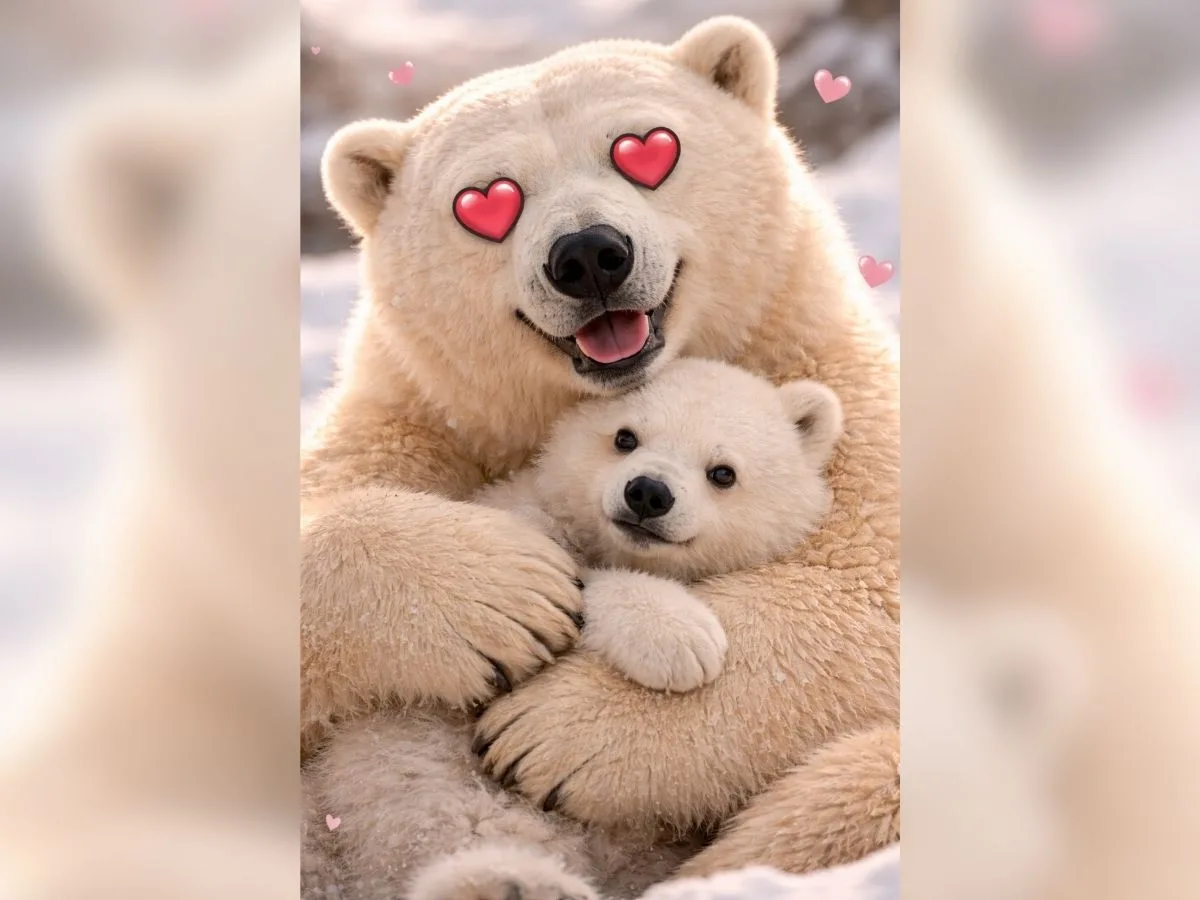
The internet is an amazing place… but a perfectly reliable window into reality? Not always.
Key Takeaways
- AI-generated wildlife videos can look real enough to shape public opinion—even when the story is fabricated.
- Human-style voiceovers and emotional narration can turn wolves and grizzlies into “characters,” not wild animals.
- That shift matters because wildlife management involves real tradeoffs—not feel-good storylines.
- In places like Montana, managing predators is a constant balancing act across ecosystems, communities, livestock, hunting, conservation, and public opinion.
- If most of your exposure to wildlife is online, it’s worth checking how much is reality vs. AI-produced entertainment.
Lately there’s been a flood of AI-generated wildlife images and videos that look incredibly real at first glance. The animals have perfect lighting, detailed fur, and everything looks believable—until the voices start. Wolves and bears suddenly have human voices, telling emotional stories or narrating dramatic moments to tug at people’s heartstrings.
It’s basically wildlife with a cartoon-style voiceover, designed to appeal to people who may not understand the realities—or the importance—of wildlife management. That kind of content quietly reshapes how people see wildlife. It turns powerful, complex animals into characters in a feel-good story.
But real wolves and grizzly bears don’t live in fairy tales—and the realities of managing wildlife populations are complicated, controversial, and sometimes uncomfortable for people who only experience these animals through the internet. Just ask anyone who deals with wolves and grizzly bears in places like Montana.
Out there, wildlife management isn’t a cartoon storyline. It’s a constant balancing act between conservation, rural communities, livestock, hunting, ecosystems, and public opinion. (For a grounded example of how wildlife realities can intersect with hunters’ on-the-ground decisions, see First Grizzly Spotted in Yellowstone Signals Montana’s Riskiest Backcountry Window—What Hunters Need to Know Now.)
The short clip below is a good reminder of what’s actually happening out in the real world. It’s worth a watch if we want our understanding of wildlife to come from reality—not from AI-generated Disney moments.
Why AI wildlife content spreads so fast
AI clips don’t just show wildlife—they often script it. When wolves or bears are given human voices and tidy “morals,” it can feel educational while actually replacing messy reality with a simplified storyline. The result is a version of wildlife that’s easier to consume, easier to share, and easier to react to—but not necessarily closer to the truth.
Why it matters for real-world wildlife management
Wildlife management is not a single goal with a single answer. It’s a series of tradeoffs that change by place, season, and local conditions. In predator country, those decisions can be especially polarizing because they sit at the crossroads of ecology, livelihoods, recreation, and public values.
If you want more Montana-specific context on grizzlies and how people interpret wildlife sightings and seasonal patterns, you may also find this useful: Montana Grizzlies Are Waking Up Early—What That January Yellowstone Sighting Means for Spring Turkey, Fishing, and Shed Hunts.
FAQ
What makes AI wildlife videos so convincing at first glance?
They often feature lifelike lighting, detailed fur, and realistic movement—elements that can look authentic in a quick scroll, especially on small screens.
Why do human-style voiceovers change how people perceive wolves and bears?
They frame wild animals as humanlike characters in an emotional story. That can encourage viewers to expect “good guy/bad guy” narratives instead of complex, real behavior and real-world consequences.
Is the main issue that AI content is “fake,” or that it shapes public expectations?
Both can be problems, but the bigger concern is how repeated exposure can reshape expectations—making wildlife feel like entertainment rather than something managed through difficult, real tradeoffs.
Why is wildlife management described as controversial or uncomfortable?
Because it involves balancing multiple priorities—conservation, ecosystems, rural communities, livestock, hunting, and public opinion—and those priorities don’t always align.
Why does Montana come up in discussions about wolves and grizzly bears?
The article points to Montana as a place where people regularly deal with the real, on-the-ground realities of wolves and grizzlies—where management decisions affect communities, landscapes, and livelihoods.
How can viewers avoid being misled by “too perfect” wildlife content online?
Slow down before sharing, look for telltale signs like unnatural voiceovers or overly polished scenes, and compare what you’re seeing with real-world reporting and on-the-ground context.
Does watching AI wildlife content actually affect policy or management?
The article’s point is that perception drives public opinion, and public opinion is part of the wildlife management balancing act—so distorted perceptions can matter.
What’s the simplest takeaway from the video in this post?
It’s a reminder to ground your understanding of wildlife in reality, not in AI-generated, feel-good narratives.
Related Reading
- First Grizzly Spotted in Yellowstone Signals Montana’s Riskiest Backcountry Window—What Hunters Need to Know Now
- Montana Grizzlies Are Waking Up Early—What That January Yellowstone Sighting Means for Spring Turkey, Fishing, and Shed Hunts
- Montana FWP’s Block Management Squeeze: 700,000 Hunters, Fewer Acres—and a Plan to Bring Landowners Back
- Hunting Wolves on Private Land in Montana: Night Vision Strategies