
14 Bear Encounters in the Bitterroot: One DIY Hunter’s Hard-Earned Spring Tag
14 Bear Encounters in the Bitterroot: One DIY Hunter’s Hard-Earned Spring Tag
Fourteen encounters. One shot. That ratio tells you everything you need to know about DIY spring bear hunting in the Bitterroot.
Skull Bound’s latest film documents exactly what that grind looks like — glassing steep drainages, covering miles of early-green hillside, and burning through encounter after encounter in remote Bitterroot canyons before a shot finally comes together. No guide, no outfitter, no shortcuts. Just boots, glass, and a whole lot of patience in some of the roughest public land in western Ravalli County.
Montana’s spring bear season typically opens mid-April across most western hunting districts — including those covering the Bitterroot drainage — and runs through mid-June depending on where you’re hunting. Most of these units are no-bait, no-hounds. You’re glassing. You’re covering ground. The Bitterroot-Selway corridor backs up against some of the wildest roadless country in the lower 48, and bears have plenty of places to disappear into it. FWP has consistently managed black bear populations here as huntable and healthy, but healthy doesn’t mean easy. Honestly, 14 encounters and one shot is a pretty accurate picture of what a good spring hunt looks like in this country — not a bad one. A good one.
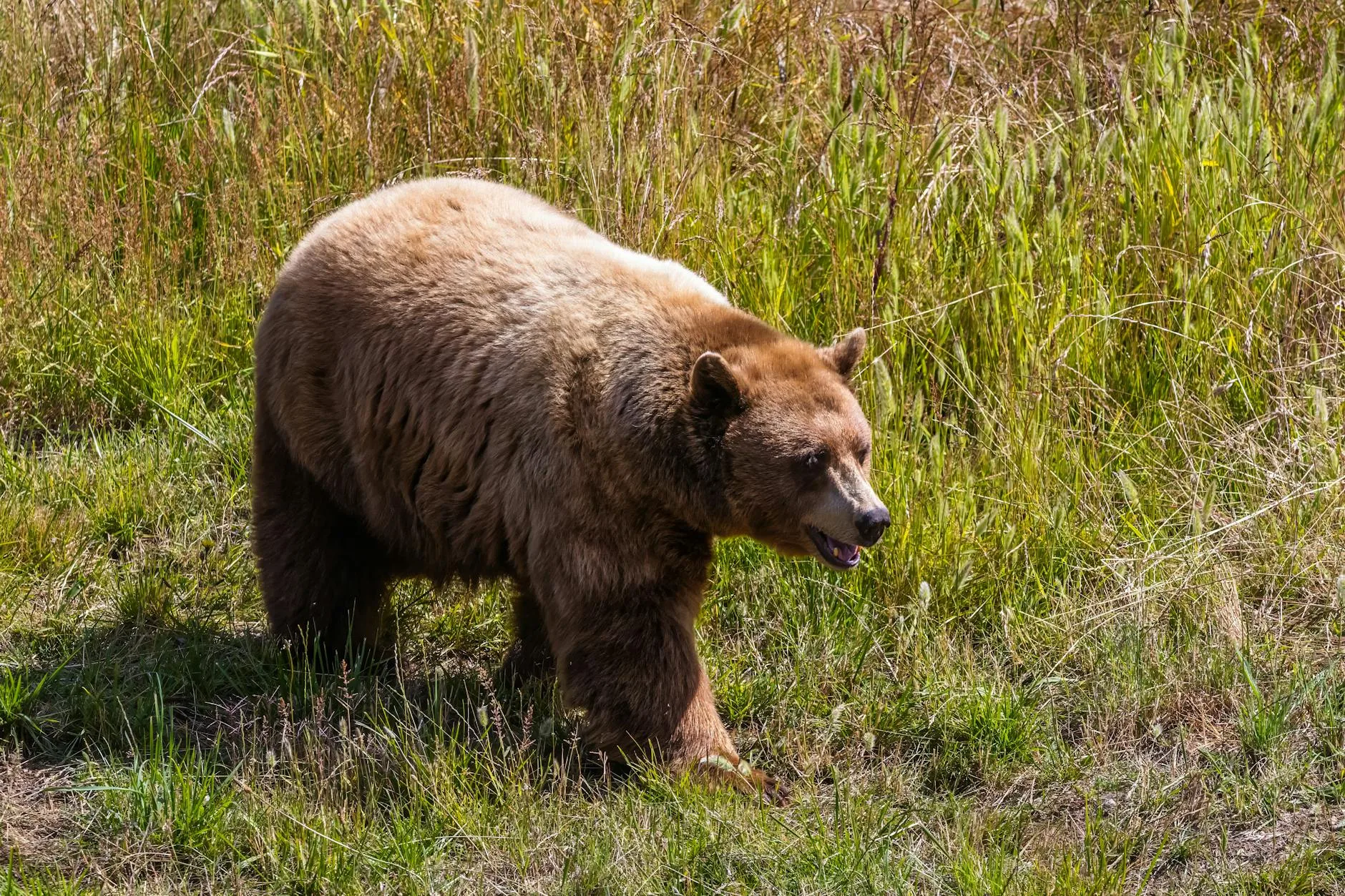
What makes this film worth your time isn’t the kill shot. It’s everything before it. The passing bears. The color phase evaluations. The terrain-reading from a mile out, squinting through your glass at a dark blob in the timber trying to figure out if it’s a boar worth burning your legs to chase. That’s the part of spring bear hunting most people underestimate until they’re standing on a Bitterroot ridge at six in the morning with cold hands and too much coffee in their stomach. The mix of open south-facing slopes and dark north-facing timber in this drainage creates exactly the kind of glassing country that punishes impatience, and Skull Bound does a solid job showing the actual work behind the result.
In my experience, the window where bears are predictable — out on those south slopes, visible, moving at reasonable hours — is shorter than most hunters plan for. They come off their dens hungry and they hit those open hillsides hard. But once the vegetation shoots up and the heat builds, they pull back into the dark stuff and your odds of a clean setup drop fast. Right now, that early window is open. Bears are moving. If you’ve already got a tag in your pocket or you’re still on the fence about making the effort this year, watch this one before you go. Then get your boots on.
