
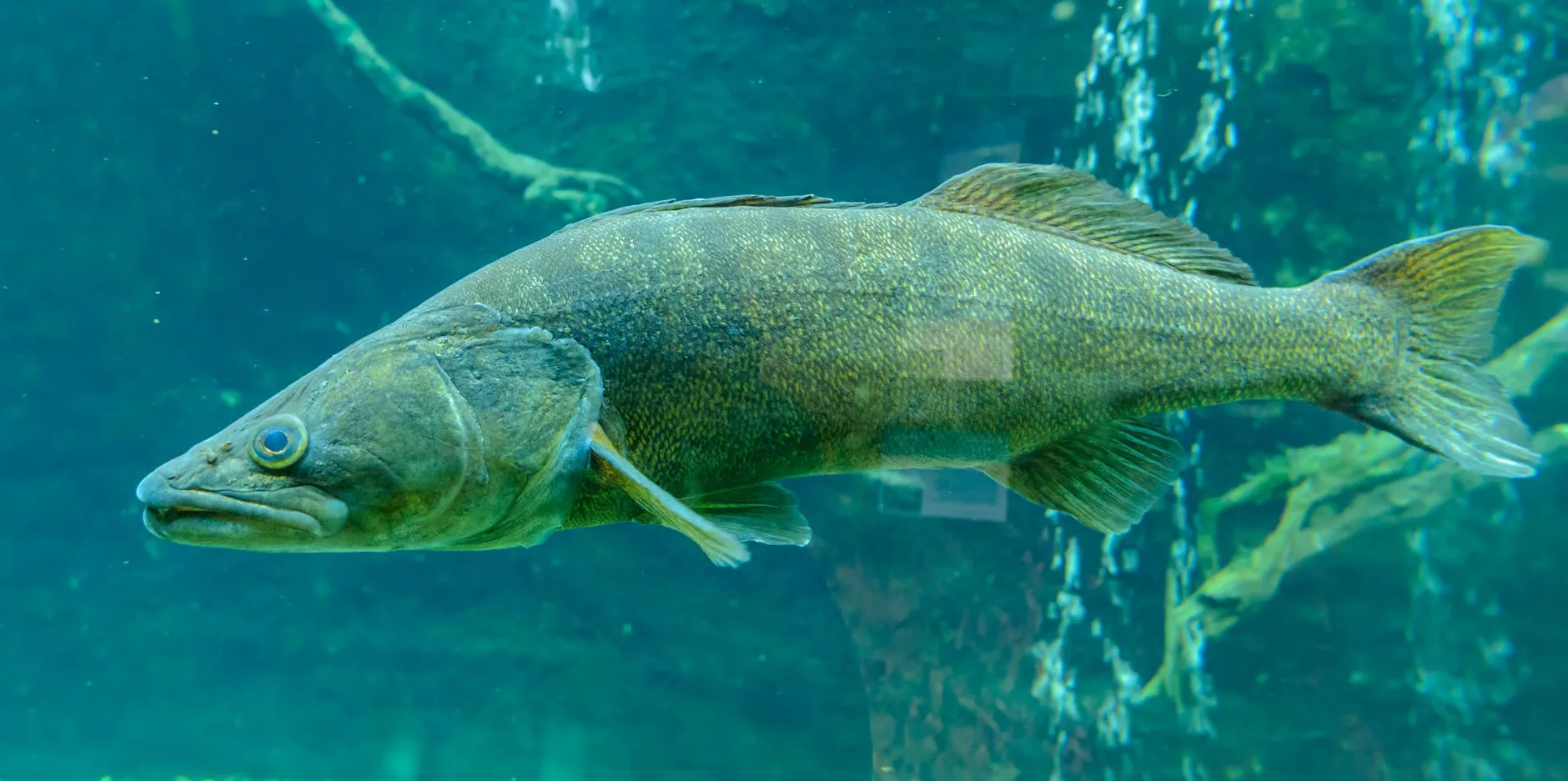
The walleye are in the shallows at Fort Peck right now, and if you’re reading this from your couch, you’re burning daylight. Water temps across the upper arms of the reservoir are sitting in that magic 48–52°F band as of this week — the narrow thermal window that pulls spawning walleye out of the basin and into the rocky, wind-swept shallows where you can actually get to them. This year’s notably light snowpack has kept runoff minimal and pushed water temps nearly a week ahead of schedule, which means this bite could tighten up and shove fish back to deeper structure faster than most years. We’re talking days, not weeks.
Where the Fish Are Right Now
The Big Dry Arm and the Rock Creek Bay area on the south side have been the most consistent producers this week. Wind-blown gravel points with rocky substrate in the 2–6 foot range are exactly what spawning walleye key on — they want current, oxygen, and hard bottom to broadcast eggs over. The upper Pines area north of the dam, near the Missouri River channel mouth, has also been holding fish in the evenings, particularly on those steep gravel transitions where shallow flats drop quickly into 10–12 feet of water. That edge is everything right now.
Hell Creek Marina’s launch on the north shore gets you fast access to some of the better protected bays in that zone. Boats targeting the rocky secondary points just east of the main channel have been finding walleye traffic consistently. If you’re launching from the Downstream Campground or the West End — confirm both are open for the 2026 season with the Corps of Engineers before making the drive, since facility availability can change — work the shoreline structure along the Saskatchewan and Dry Arms. Those long gravel shelves that taper toward the main lake are textbook spawn staging habitat, and right now they’re loaded.
Rigs That Are Working
Jig and Minnow — Still the Workhorse
A 1/4 oz chartreuse or white jig head tipped with a fresh fathead or shiner minnow fished on a slow drag along the bottom is producing consistently in 3–6 feet. Keep contact with the gravel. Don’t hop it, don’t rip it. Slow is the word this time of year, and I mean genuinely slow — walleye in spawn mode aren’t chasing anything, they’re sitting and reacting. The second you lose feel for the bottom, you’ve lost the presentation.
Lindy Rig with Crawler
If the jig bite stalls mid-day, switch to a Lindy-style slip sinker rig with a nightcrawler or leech on a 24–30 inch leader. This works especially well on those flatter gravel shelves where fish are more spread out and less willing to move. Walk it along bottom at near-idle speed and let the presentation do the work. Keep your hooks sharp — spawn bites can be embarrassingly subtle, and dull hooks are how you miss fish you never even knew bit.
Shallow Crankbaits at Low Light
First light and the last hour before dark are when the shallows really come alive. A firetiger or gold shad-pattern shallow-diving crankbait worked parallel to the bank — just ticking the tops of rocks in 2–4 feet — triggers aggressive reaction strikes from fish that have pushed up tight to structure. The Rapala Shad Rap in #7 or a Berkley Flicker Shad are both solid choices out here. Cast past your target zone and bring the bait through it, not at it. That detail matters more than people think.
Your Day-by-Day Window
Here’s the honest assessment. Based on current temps and the forecast for the next several days, we’re in the back half of the peak window. April 12–14 is prime time — water temps should hold in the 49–52°F range through the weekend, fish are actively spawning on shallow structure, and while dawn and dusk produce best, shade-protected bays will hold catchable fish all day. From April 15–17, watch for temps nudging toward 54–56°F if south winds pick up. Fish will start showing post-spawn behavior, becoming less aggressive and beginning to slide toward deeper secondary structure in the 8–15 foot range. By April 18 and beyond, the shallows will largely empty out, and you’ll want to transition your focus to deeper gravel humps and main-lake points as fish recover and begin their post-spawn feed.
This window is not forgiving. A two-day stretch of warm south wind can end the shallow bite almost overnight at Fort Peck.
Honestly, that’s the thing most people underestimate about this reservoir. It’s enormous, the weather in northeast Montana in April answers to nobody, and when the temps break, the fish just disappear into that basin like they were never there.
Regulations and Limits — Know Before You Go
Fort Peck Reservoir falls under FWP Region 6 regulations. Walleye bag and slot limits on Fort Peck have been subject to change in recent seasons, so verify the current daily limit and any size restrictions against the 2026 Montana Fishing Regulations booklet before you head out — available at fwp.mt.gov and at most local license vendors in Glasgow and Jordan. The slot protections that have been in place are designed to protect the large females doing the spawning right now, and those are exactly the fish you want to put back. Handle them gently, keep them in the water when possible, and skip the grip-and-grin in dry air. These fish are working, and they’re the future of the fishery.
For current conditions and any regulation updates, check in with FWP’s Glasgow office or stop at Hell Creek Marina before you launch. Local intel in northeast Montana is worth more than anything you’ll find on a map.
Get Out There
Fort Peck doesn’t give you a long runway on this bite. If you’ve been telling yourself you’ll get out there this week — do it today. The gravel points are full of fish right now, the rigs are simple, and the bite is real. Don’t let this one slide by on you.