
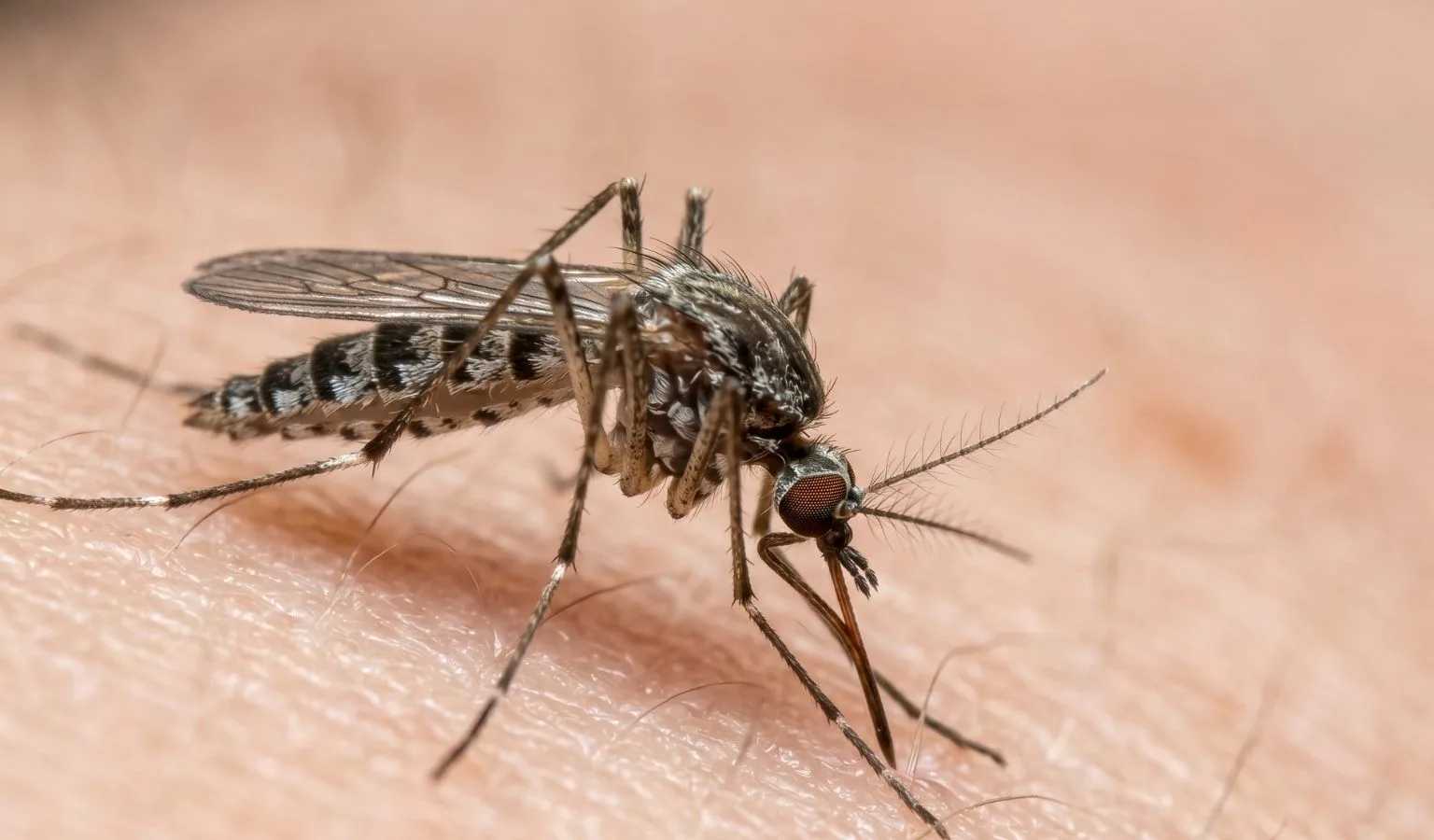
If you were asked to name the most dangerous animal on Earth, your brain probably goes straight to Jaws or a grizzly bear. If you live in Big Sky Country, you definitely think of the latter—Montana is, after all, home to the largest grizzly population in the lower 48. Maybe you’re a bit more cynical and think, “It’s definitely humans.” But if we’re looking at the raw data, the heavyweight champion of lethality is actually a tiny, high-pitched nuisance that weighs about as much as a single grain of rice.
Meet the Anopheles family—the pint-sized vampires better known to the rest of us as mosquitoes.
While lions and sharks get all the scary documentaries, they’re basically amateurs. Mosquitoes are out here putting up professional numbers. Every year, these winged menaces are responsible for 725,000 to 1,000,000 deaths. Even in the rugged wilderness of Montana, where we worry about mountain lions and bears, the mosquito remains the most consistent threat to public health.
To put that in perspective:
- Sharks: Kill about 10 people a year.
- Wolves: Maybe 10–20.
- Mosquitoes: Roughly the population of Austin, Texas, every single year.
It’s Not Personal, It’s Business
Here’s the thing: mosquitoes aren’t actually “murderous” in the way a horror movie villain is. They don’t wake up and choose violence; they wake up and choose lunch. They are what scientists call “disease vectors.” Think of them like the world’s worst delivery drivers. As they hop from person to person for a blood snack, they accidentally drop off a “package” of bacteria, viruses, and parasites they picked up from their last customer.
While we often think of these as “tropical” problems, Montana is home to at least 50 different species of mosquitoes. In the Treasure State, the “delivery fleet” is led by two main culprits:
- Aedes vexans: Known as “floodwater” mosquitoes, these are the aggressive biters that swarm after a heavy Montana rain or snowmelt.
- Culex tarsalis: This is the one to actually watch out for. It is the primary vector for West Nile Virus (WNV) in the state.
Since it was first detected in Montana in 2002, West Nile has become a recurring seasonal guest, with outbreaks spiking every few years in humans and horses alike. In 2023 and again in 2025, health officials reported widespread activity across dozens of Montana counties, proving that you don’t need a jungle to host a dangerous pathogen.
The global MVP of mosquito-borne lethality is Malaria. Spread specifically by the female Anopheles mosquito (the males are actually chill and just eat nectar), this parasitic infection is a global powerhouse.
It’s not just a modern problem, either. Malaria has been around so long and has been so consistently deadly that it has literally reshaped human evolution. It’s the reason certain genetic traits, like sickle cell, became common in specific populations—it was the body’s desperate attempt to build a “firewall” against the parasite.
Whether it’s malaria, yellow fever, or Montana’s own West Nile threat, the mosquito is the ultimate example of why you should never judge an opponent by their size. They’ve killed more humans than almost any war in history, all while looking for a quick meal.
So, next time you hear that tell-tale zzzzzz in your ear at 2:00 AM? Don’t just be annoyed. Be respectful. You’re in the presence of a legend—just maybe keep the DEET handy, especially if you’re heading out to the Flathead or the Missouri River.
Source information: Discover Wildlife, Nature: Mosquito Saliva and Viral Infection, CDC, Smithsonian, WHO, Nature, USEPA
Montana's outdoor week, in your inbox at 7am Friday.