Runoff Is Over — Western Montana’s Rivers Are Fishing
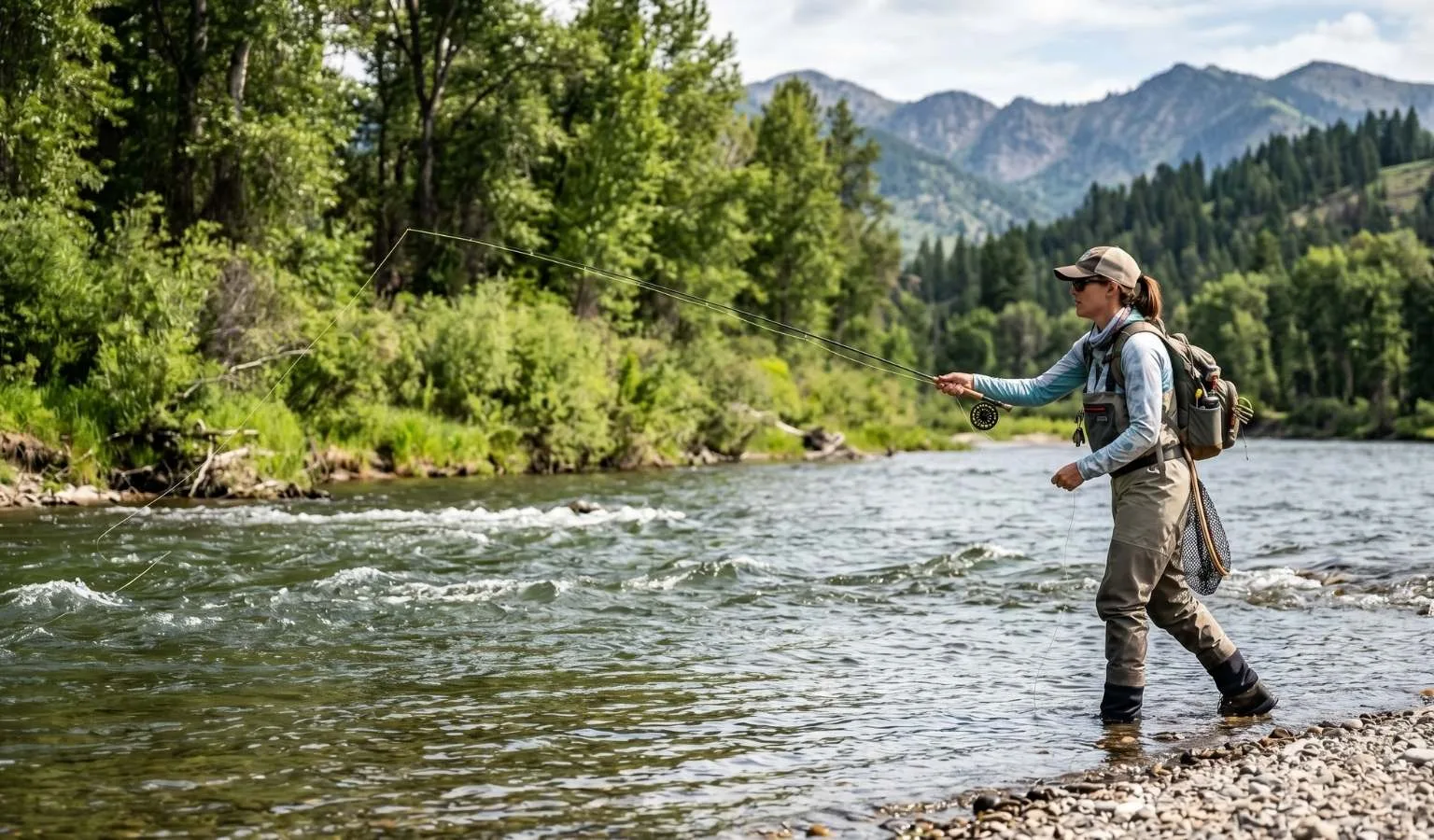
Runoff season is officially packing its bags, and the crew down at the Lightweight Fly Shop in Stevensville, Montana reports that our local rivers are finally rolling out the red carpet. We are sliding into that glorious early-summer sweet spot where the water volume is perfectly manageable, the fish are looking up, and the bug hatches are firing on all cylinders. There is a slight catch, though: Mother Nature is cranking the thermostat up toward 90°F by midweek. To keep the trout happy and your drag screaming, you’ll want to behave like a morning person. Set your alarm for an 8:00 a.m. launch, pack a stream thermometer, and plan to wrap things up by 2:00 p.m. before the midday sun turns the rivers into a lukewarm bath.
This window — the sweet two-to-three-week stretch between the chaos of runoff and the true heat of July — is genuinely one of the finest fishing periods of the entire Montana calendar. Flows are dropping and clearing, the fish haven’t seen heavy pressure yet, and the insect activity is as diverse and intense as it gets all year. If you’ve been waiting patiently through a long spring of blown-out, chocolate-milk water, your patience is about to be rewarded in a big way.
Why Water Temperature Is Your Most Important Gauge Right Now
With air temps pushing toward 90°F by midweek, water temperature becomes the single most important number in your fishing day. Trout are cold-blooded, and when river temps climb above 67°F, their metabolisms are stressed enough that catch-and-release fishing can cause real harm — even if the fish swims away seemingly fine. Above 72°F, the risk becomes serious, and most ethical anglers and guides call it a day well before that threshold.
That’s why a stream thermometer isn’t optional right now — it’s essential gear. Drop it in at your launch point, check it again mid-morning, and make your call accordingly. The good news is that western Montana’s spring-fed tributaries and shaded canyon stretches tend to hold cooler temps longer into the morning than wide, open valley sections. Plan your float or wade accordingly, targeting shaded water and deep, cold seams as the morning wears on.
General rule of thumb: fish hard from first light through mid-morning, take a long lunch in the shade, and leave the river to the trout when the sun is high and the thermometer climbs. Your fish will be there tomorrow. Treat them right and they’ll still be there next season too.
Choose Your Adventure: Western Montana’s Top Rivers This Week
When it comes to picking your playground this week, Lightweight Fly Shop notes that the local waters are offering a “choose your own adventure” menu based entirely on your fishing vibe:
- The Bitterroot: Your ultra-reliable, crowd-pleasing MVP offering the most consistent mix of dry-fly and nymph fishing.
- The Blackfoot: For the heavy-hitter floaters chasing big foam bugs, strong banks, and a shot at a legendary trout.
- The Clark Fork: A patient angler’s paradise featuring massive water and highly rewarding dry-fly windows.
- Rock Creek: The ultimate wading buffet, currently transitioning beautifully from salmonflies to golden stones and drakes.
- The West Fork: The clean, clear, and technical sanctuary for anyone craving smaller-water precision and picky fish.
Bitterroot River: The Workhorse of Western Montana
The Bitterroot has long been the go-to river for anglers based in the Missoula area, and for good reason. It’s accessible, well-managed, and consistently productive across a long season. Right now, with flows settling into that fishable range, the dry-dropper game is particularly effective. Walk-wade access is plentiful through much of the valley, and a float from Victor down to Stevensville or beyond gives you a full-day experience without burning yourself out chasing water. Westslope cutthroat and brown trout are your primary targets, with the occasional rainbow mixing in.
Blackfoot River: Big Water, Big Fish, Big Bugs
Made famous by Norman Maclean’s A River Runs Through It, the Blackfoot has made a remarkable recovery over the past few decades thanks to serious restoration work by organizations like the Blackfoot Challenge. Today it’s one of the finest wild trout fisheries in the state. During the golden stonefly and big dry-fly season, the Blackfoot rewards anglers who pound the banks with confidence and cover water efficiently. Float fishing is the practical choice here — the river is big, fast, and meant to be experienced from a drift boat or raft.
Rock Creek: The Wade Fisher’s Dream Right Now
Rock Creek, a tributary of the Clark Fork east of Missoula, is arguably the most beloved wade fishery in western Montana. It’s relatively narrow, deeply shaded in stretches, and packed with wild trout in a canyon setting that feels a world away from the valley. The creek’s transition from salmonflies to golden stones and Green Drakes is one of the finest hatch sequences in the region. Access is straightforward along much of the corridor, with the Rock Creek Road paralleling the water for miles. Check FWP regulations for any current closures or special rules before heading out.
What’s Hatching: The Bug Menu Driving It All
To crack the code, ditch the clunky spring rigs and lean heavily into the art of the dry-dropper setup. The chaotic salmonfly craze is mostly fading into the mountain headwaters, leaving the stage wide open for Golden Stones, PMDs, Yellow Sallies, and Green Drakes to steal the show. Slap a size 6-10 foam stonefly tight to the shaded banks or drift delicate mayflies through the slow-moving foam lines.
Breaking Down the Bugs
Golden Stoneflies are the natural successor to the salmonfly hatch and often produce even better fishing because they’re more widespread and last longer. A size 8-10 golden stone dry — tied with a foam body for floatation — is a confidence fly right now on nearly every western Montana river. Fish it tight to woody debris, undercut banks, and any seam where the current slows.
PMDs (Pale Morning Duns) are the classic early-summer mayfly that trout key on hard once the stonefly chaos dies down. They typically hatch mid-morning, which makes them perfect for the early start you’re already planning. Match them with a size 16-18 parachute pattern in pale yellow or cream, and watch for the tell-tale sipping rises in slower flat water.
Yellow Sallies are small stoneflies that show up in incredible numbers during this transition period and are often underrated by anglers chasing more glamorous hatches. Trout eat them confidently. A size 14-16 yellow sally dry is easy to see, easy to tie on, and surprisingly effective even during periods when other hatches are slow.
Green Drakes are the crowd-stopper. When a good Green Drake hatch fires up, big trout that haven’t moved from the bottom all day will suddenly appear in the surface film, aggressively slurping these large, meaty mayflies. They’re unpredictable, often happening in lower-light conditions — which brings us to an important point about Friday’s forecast.
Don’t Run From the Clouds: Why Stormy Weather Is Good News
If the forecast holds true and we get a few cloudy thunderstorms around Friday, don’t head for the truck — the shop folks point out that gloomy weather is actually a golden ticket for epic afternoon Green Drake hatches and aggressive streamer strikes. Overcast skies reduce surface glare, which keeps fish from being spooked by shadows and makes them far more willing to commit to surface takes. Cloud cover also keeps water temps from spiking as fast, which extends your fishable window into the afternoon.
When thunderstorms are in the forecast, keep your eyes on the sky and use common sense — lightning and a graphite rod in open water is never a good combination. But a soft, overcast, drizzly afternoon? That’s a gift. Tie on a big Green Drake, or swing a sculpin-pattern streamer through the deeper holes, and you may have the river — and the fish — at their most aggressive.
Gear Up Right for Early Summer Conditions
Early summer on western Montana’s rivers calls for a slightly different kit than the heavy nymph rigs of spring. A 9-foot, 5-weight rod is the workhorse for most situations right now, handling everything from a size 6 foam stonefly dry-dropper to a delicate PMD presentation. If you’re heading to the Blackfoot or Clark Fork for big water and big streamers, bump up to a 6-weight with a sink-tip line. For the West Fork or technical stretches of the Bitterroot, a lighter 4-weight and long, fine tippet will help you fool the pickier fish.
Polarized sunglasses are non-negotiable — early summer is prime sight-fishing season, and being able to spot fish before you spook them is half the battle. Sun protection, a buff, and lightweight wading pants or wet-wading gear will keep you comfortable as the temperatures climb. And again: pack that stream thermometer. Keep your casts tight, your beer cold, and your eyes on the water temps!
A Few Practical Reminders Before You Head Out
Always check current Montana FWP regulations before fishing any new water — rules on catch-and-release, artificial lure restrictions, and access points can vary by river and by season. Montana FWP’s website is updated regularly and is your definitive source. A valid Montana fishing license is required for all anglers, and non-residents should plan ahead during busy summer stretches when license availability can tighten up.
If you’re new to western Montana’s rivers or want local intel before hitting the water, stopping into a fly shop like Lightweight Fly Shop in Stevensville is always worth the time. The information you get from someone who was on the water yesterday is worth more than any app or online report — and you’ll probably leave with a handful of flies that actually work.
Check out Lightweight Fly Shop’s full report here.
Montana's outdoor week, in your inbox at 7am Friday.