
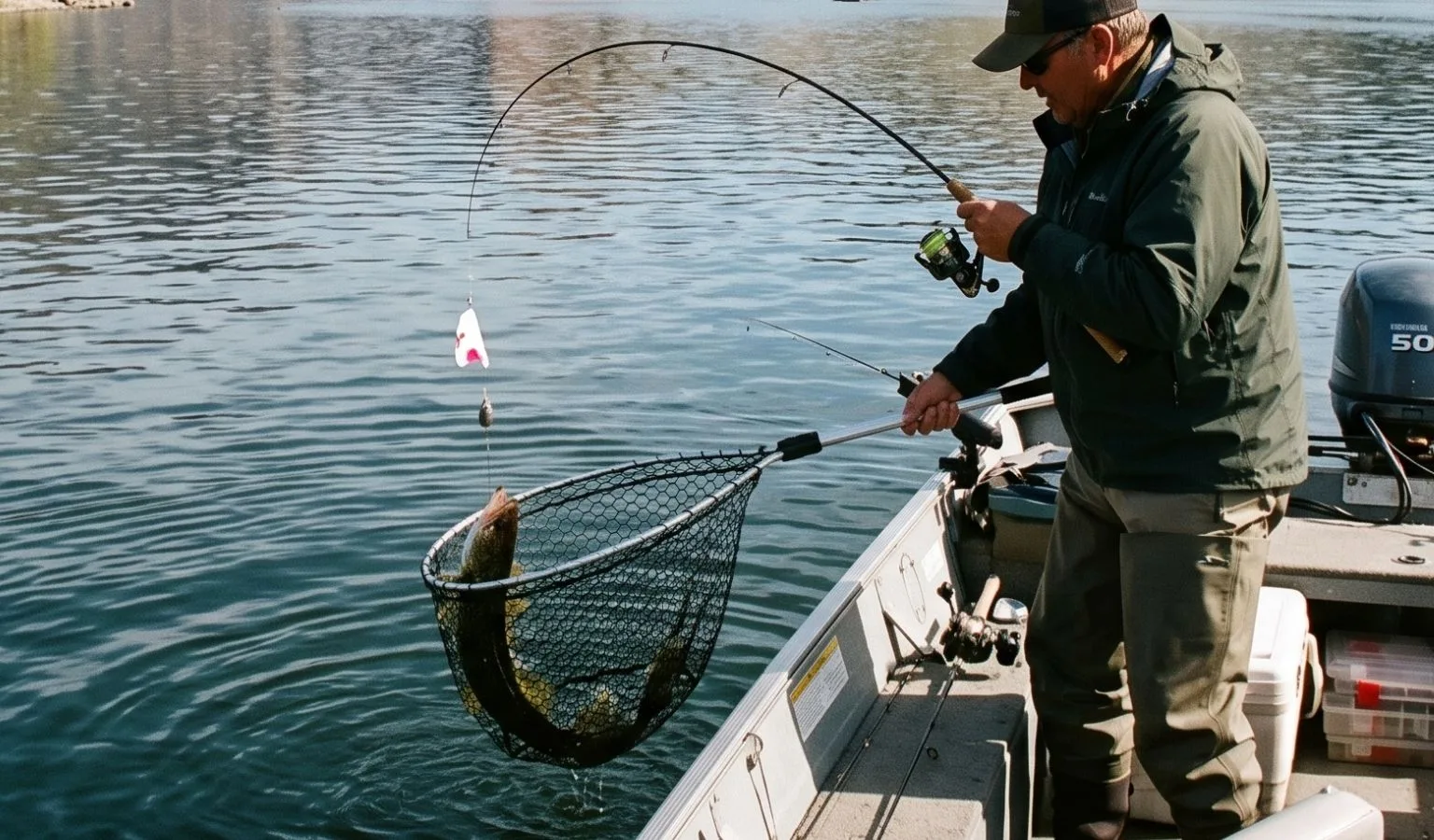
Helena Area Reservoirs Fishing Report — July 6, 2026
Conditions are heating up across the Missouri River chain, with excellent multi-species action reported on Canyon Ferry, Hauser, and Holter reservoirs. Whether you are targeting aggressive deep-water walleye, trolling for hard-hitting rainbows along the shorelines, or looking to hook an occasional northern pike or smallmouth bass, local waters are producing great results.
Overview: What to Expect on the Missouri River Chain This Week
Early July is one of the most productive times of year to fish the Helena area reservoirs. Water temperatures are climbing into the mid-60s to low 70s Fahrenheit across much of the Missouri River chain, pushing walleye into predictable depth ranges and keeping rainbow trout active near the surface in early morning and evening hours. The extended daylight gives anglers more usable fishing time, and with the post-spawn feeding frenzy well underway for most species, fish are aggressive and willing to commit to a wide range of presentations.
All three reservoirs — Canyon Ferry, Hauser, and Holter — sit along the Missouri River corridor north and east of Helena and are managed by Montana Fish, Wildlife & Parks (FWP). Each impoundment has its own character, depth profile, and fish community, which is part of what makes the chain so appealing. You can fish all three in a single day if you are strategic about it, or you can spend a full week working just one and never feel like you have run out of water to explore.
Canyon Ferry: Good walleye fishing can be found from the Silos to Pond 4 and the river mouth in 8-20 feet of water while using bottom bouncers with spinner blades in white and pink or white and orange colors. Mid reservoir action is from White Earth north to Gull Island on crankbaits or chartreuse jigs with a worm in 15-20 feet of water. Rainbows are being caught by walleye anglers or by those trolling cowbells or green and yellow crankbaits from Cemetary Island to Crittendon along the west shore. Shore fishing has produced rainbows on worms or jigs with a worm around the Silos, White Earth and the north end. An occasional smallmouth bass is being caught around the rocks on the north end while using spoons. Troy Humphrey, FWP, Helena
Hauser: Rainbow trout fishing has been great below Canyon Ferry Dam while using small grey, brown or olive nymphs or wooly buggers. Anglers using jigs and nightcrawlers below the dam are catching a few trout as well. Trolling cowbells and wedding rings tipped with crawlers has been productive for trout between White Sandy and Soup Creek. A few walleye are being caught while using jigs and leeches from the Causeway Bridge and around the Eldorado Bar dredge piles. An occasional norther pike is being caught around the dredge piles while casting larger spinners. Chris Hurley, FWP, Helena
Holter: Trout fishing has been great during the early morning or later evening along the shorelines while flyfishing with various streamers. Good number of rainbows are being found throughout most of the reservoir while trolling cowbells or dodgers with various spinner combos. A few walleye are being caught inside the Canyon, near Cottonwood Creek, and in other small bays between the Clay Banks and the Dam while pitching jigs and crawlers, trolling bottom bouncers or using slip bobbers and leeches. An occasional kokanee is being picked up while trolling for trout between Split Rock and the Dam. A few northern pike continue to be caught around weed beds while casting spinners or spoons or larger streamers. Chris Hurley, FWP, Helena
Canyon Ferry Reservoir: Digging Deeper
At roughly 35 miles long and covering over 35,000 surface acres, Canyon Ferry is the largest of the three Helena area reservoirs and one of the most productive walleye fisheries in the state. The south end of the reservoir — around the Silos, Pond 4, and the river mouth — tends to hold walleye in shallower, structured water early in the season, and the 8- to 20-foot zone remains a reliable target zone through much of summer.
Walleye Tactics at Canyon Ferry
Bottom bouncers rigged with spinner blades are a classic and proven approach for Canyon Ferry walleye. The white-and-pink and white-and-orange color combinations referenced in this week’s report mimic small baitfish and trigger reaction strikes even from neutral fish. As you move north into the mid-reservoir zone between White Earth and Gull Island, the fish tend to suspend slightly higher in the water column, making crankbaits and chartreuse jigs tipped with a worm excellent alternatives. Slow trolling or drifting these areas with the wind can be especially effective when walleye are scattered across a flat.
Rainbow Trout and Shore Fishing
Canyon Ferry’s rainbow trout fishery is a genuine sleeper for many visiting anglers who come primarily for walleye. The west shore corridor from Cemetery Island to Crittenden is a consistent trolling stretch, and green-and-yellow crankbaits or cowbell rigs account for a solid number of fish each summer. For shore anglers, the Silos, White Earth, and the north end all offer accessible bank fishing with worms or jig-and-worm combos. The north end’s rocky structure also creates ideal smallmouth bass habitat, and while smallies are not the primary draw here, finding one on a spoon is a welcome surprise.
Hauser Lake: The Trout Factory Below the Dam
Hauser is the smallest of the three main reservoirs but punches well above its weight class for trout fishing. The tailwater reach directly below Canyon Ferry Dam is one of the most reliable cold-water trout zones in the Helena area, fed by cold releases from the upstream reservoir. This cold, oxygenated water attracts rainbows year-round, and in summer it becomes especially important as temperatures rise elsewhere.
Fly Fishing and Conventional Gear Below Canyon Ferry Dam
Small nymphs in grey, brown, and olive are the right call below the dam right now, and woolly buggers in darker tones can be especially productive when fished on a sink-tip line with a slow, erratic retrieve. Conventional gear anglers using jigs and nightcrawlers are also connecting, making this a productive stretch regardless of your preferred approach. Always check current FWP regulations for any special gear restrictions or catch-and-release rules that may apply to this section of river.
Trolling and Structure Fishing on Hauser
Between White Sandy and Soup Creek, cowbell rigs and wedding rings tipped with nightcrawlers are a reliable mid-lake trolling combination that has produced trout for generations of Montana anglers. The Eldorado Bar dredge piles are worth noting for walleye and pike — the irregular, hard bottom and depth transitions created by old dredging operations make excellent ambush habitat. Jigs tipped with leeches are a smart choice around these structures, and larger spinners cast into and around the piles can draw aggressive strikes from northern pike.
Holter Lake: Scenery and Diversity
Holter is arguably the most scenic of the three reservoirs, with dramatic canyon walls, clear water, and a remote feel that belies its relative accessibility from Helena. The Gates of the Mountains Wilderness borders part of the reservoir, and the upper canyon section provides some of the most visually striking fishing in the state. Holter also offers the most diverse catch of the three lakes this week, with rainbows, walleye, kokanee salmon, and northern pike all in play.
Streamer Fishing and Trolling for Trout
Holter’s rainbow trout respond well to the low-light periods, and fly anglers working shorelines with streamers during early morning and late evening are consistently finding fish right now. The clear water rewards stealthy approaches and longer leaders. For trollers, cowbells and dodger-spinner combos cover water efficiently and account for fish across a wide depth range throughout the reservoir. Varying your trolling speed slightly until you find what the fish want on a given day is always a worthwhile adjustment.
Walleye, Kokanee, and Northern Pike at Holter
The canyon section, Cottonwood Creek arm, and the bays between the Clay Banks and the dam are the focal points for walleye right now. Pitching jigs and crawlers into these confined areas, bottom-bouncing through the transitions, or suspending a leech under a slip bobber are all legitimate strategies — having all three rigged and ready lets you adapt quickly based on what the fish tell you. The kokanee bonus between Split Rock and the dam is worth a few trolling passes if you have the gear onboard; these landlocked sockeye salmon are excellent table fare and can be targeted with small spoons or spinners trolled at modest speeds. Northern pike around the weed beds remain an active target and provide fast action on larger spinners, spoons, or streamer patterns tied to handle toothy fish.
General Tips for Fishing the Helena Reservoirs in Early July
- Time your trips wisely. All three reservoirs fish best in the first two hours after sunrise and the last two hours before sunset during hot summer days. Midday fishing can slow significantly as surface temperatures peak.
- Watch the wind. Afternoon winds can build quickly on Canyon Ferry in particular, creating whitecap conditions. Plan boat travel accordingly and always carry appropriate safety gear.
- Stay flexible on depth. Walleye in particular will shift depth throughout the day based on light penetration and forage location. Start in the ranges mentioned in the report and adjust up or down if you are not marking fish.
- Check current FWP regulations before heading out, especially for species-specific limits, slot sizes, and any gear restrictions. Regulations can change and vary by reservoir section.
- Boat ramp planning. Canyon Ferry and Holter both have multiple public access points managed by FWP and the Bureau of Reclamation. Hauser access is more limited — know your ramp options before you go, especially on busy summer weekends.
Looking Ahead
If current weather patterns hold, expect walleye to remain active in the 10- to 22-foot range through mid-July before beginning to push slightly deeper as surface temperatures peak. Trout fishing should remain strong in early morning and evening windows, particularly on Holter and in the Hauser tailwater. Keep an eye on FWP’s weekly fishing reports and the Montana Outdoor Radio Show for updated conditions as summer progresses.
Whether you are a longtime local or visiting Helena for the first time with a rod in the truck, the Missouri River reservoir chain is firing on all cylinders right now. Get out there.
Montana's outdoor week, in your inbox at 7am Friday.