
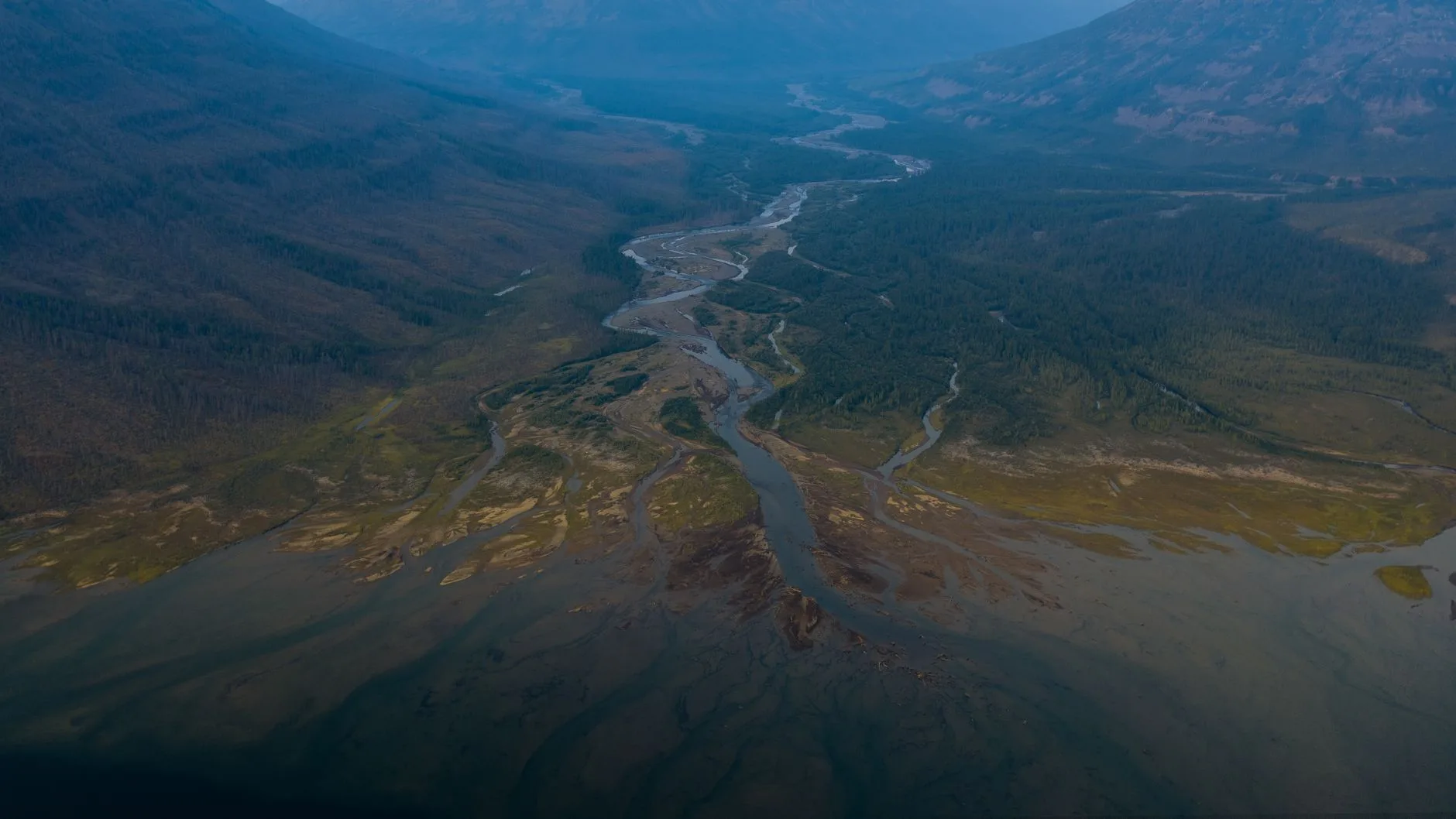
If you’ve ever wondered what’s really happening on Montana’s backcountry rivers when nobody’s watching — well, somebody is watching. Season 6 of Signal Wild’s Wardens series is back, and Episode 7 goes deep into the mountains with Montana Fish, Wildlife & Parks game wardens who are tracking down anglers pushing well past the boundaries of legal fishing. It’s the kind of footage that’s hard to look away from.
Montana’s River Regulations Are More Complex Than Most People Realize
Montana’s river fishing regulations are no joke, and they vary more than most out-of-state anglers — and honestly, some locals — realize. Depending on the drainage, you could be dealing with catch-and-release-only rules, tribal water boundaries, species-specific limits, or gear restrictions that change mid-season. Rivers like the Madison, Yellowstone, Gallatin, and Missouri each carry their own rulebook, and the more remote you get, the easier it becomes to convince yourself the rules don’t apply. That’s exactly the mentality wardens deal with every day. The thinking goes: nobody’s going to hike six miles into the backcountry to check my license. This episode proves that’s a bad bet.
Part of what makes Montana’s regulatory patchwork so challenging is that the rules aren’t just statewide blanket policies. FWP manages fisheries at the drainage level, sometimes down to specific river reaches or even individual tributaries. A stretch of water that’s open to harvest one mile downstream might be strictly catch-and-release a mile upstream. Gear restrictions — whether you can use bait, what hook sizes are legal, whether weighted flies count as terminal tackle — can shift from one drainage to the next. Add in tribal compact waters, national park boundaries, and special regulations designed to protect specific populations of bull trout, westslope cutthroat, or fluvial Arctic grayling, and you have a system where ignorance of the rules is genuinely easy to come by. That’s not an excuse, but it is a reason to study up before you go.
One Warden Per 1,600 Square Miles — How Enforcement Actually Works
What makes the Wardens series worth watching — beyond the obvious drama of catching someone red-handed — is the insight it gives law-abiding sportsmen into how enforcement actually works in a state this big and this wild. Montana has roughly one game warden per 1,600 square miles of territory. Let that sink in. These wardens use everything from spotting scopes and trail cameras to river access points and informant tips to piece together what’s happening in drainages most people never set foot in. Episode 7 pulls back the curtain on that process, and it’s a reminder that conservation in Montana isn’t abstract — it’s personal, it’s local, and it depends on people doing the right thing even when they think no one’s looking.
What the show captures well is the patience and preparation required for backcountry enforcement. Wardens don’t just drive to a boat ramp and wait. They study drainage maps and access routes. They know which trails lead to which pools. They track vehicle patterns at trailheads. In some cases, they pack in on foot or horseback to reach waters that most anglers assume are beyond reach of any kind of oversight. The remote nature of Montana’s mountain rivers is part of their appeal — but it’s not the shield that violators seem to think it is.
The Role of the Public in Conservation Enforcement
FWP wardens are also heavily reliant on tips from the public. Montana’s Turn in Poachers (TIP) hotline has been a meaningful tool for years, allowing anglers, hikers, and outfitters to report suspected violations without confrontation. When you’re deep in a drainage and you see someone walking out with a stringer full of fish that doesn’t look right, or watch someone fish through a clearly posted closed section, that call matters. Wardens can’t be everywhere, but the extended community of people who care about these fisheries effectively expands the coverage area. Episode 7 touches on this dynamic, and it’s a reminder that enforcement isn’t solely the wardens’ burden to carry.
Why Remote Waters Are Both Precious and Vulnerable
The backcountry rivers featured in this episode aren’t just scenic backdrops — they’re some of Montana’s most ecologically sensitive fisheries. Mountain streams and their headwater tributaries are often the last strongholds for native species that have been displaced from lower-elevation rivers by competition, hybridization, and habitat degradation. Westslope cutthroat trout, bull trout, and in a few drainages, Arctic grayling, all depend on cold, clean, largely undisturbed headwater systems. These fish don’t bounce back quickly from over-harvest. They have slower growth rates, lower reproductive output, and limited range. A few bad actors working a remote drainage over multiple seasons can do real, lasting damage to populations that took decades to stabilize.
That’s the conservation stakes underneath what might otherwise look like a simple license-check story. When wardens pack into the mountains to confront anglers over bag limits or closed waters, they’re not just enforcing paperwork. They’re protecting the last best populations of fish that don’t exist in many other places.
Common Violations Wardens Encounter on Montana Rivers
For those curious about what wardens are actually looking for when they check anglers on remote water, the violations tend to fall into a few recurring categories:
- Fishing without a valid license — This includes expired licenses, licenses from another state, and failure to have a license on your person while fishing.
- Over-limit possession — Taking more fish than regulations allow, whether by misreading the rules or simply deciding the limit doesn’t apply in a spot this far from the road.
- Fishing closed waters — Ignoring posted closures on spawning reaches, tribal boundaries, or special management sections.
- Gear violations — Using bait in fly-only water, improper hook configurations, or treble hooks where single barbless hooks are required.
- Species misidentification — Keeping a bull trout while targeting cutthroat, whether intentional or not, is a serious violation given bull trout’s protected status in many drainages.
Some of these violations carry stiff penalties, including fines, license revocation, and in serious cases, criminal charges. And beyond the legal consequences, the social cost within the angling community is real. Montana’s fishing culture takes these things seriously.
What Every Angler Should Do Before Hitting Remote Water
Whether you’re a die-hard fly angler on the Blackfoot or a weekend warrior tossing spinners on a mountain stream, this episode hits close to home. Violations that seem minor — a few extra fish, a hook size that doesn’t meet regulation, fishing a closed stretch — add up across thousands of anglers and chip away at the fisheries we all count on. Give this one a watch and then go pull up Montana FWP’s current fishing regulations. It’s never a bad time for a refresher.
A few habits that every angler should build before heading into the backcountry:
- Download the current FWP fishing regulations for the specific drainage you’re targeting — not just the statewide summary. Region-specific rules and special regulations are where the details that matter most tend to live.
- Check for any emergency or mid-season closures. FWP can issue emergency closures in response to drought conditions, fish kills, or disease concerns. These don’t always make the news, but they’re legally binding.
- Know the species you’re fishing for — and be confident in your ability to identify them. In drainages where bull trout or westslope cutthroat overlap with other species, misidentification isn’t just embarrassing, it’s a violation.
- Carry your license and have it accessible. Digital licenses on your phone are accepted, but make sure you have a signal or a downloaded copy before you’re six miles from the trailhead.
- When in doubt, release it. If you’re not certain about the rules for a particular water or species, the cost of releasing a fish is zero. The cost of keeping one you shouldn’t have is considerably higher.
A Series Worth Following for Montana Sportsmen
Signal Wild’s Wardens series has built a loyal following precisely because it doesn’t sensationalize enforcement or villainize sportsmen. It presents the work honestly — the long stakeouts, the weight of the decisions wardens make in the field, and the genuine connection these officers have to the landscapes and wildlife they’re protecting. Episode 7 is a strong entry in a strong season, and if you haven’t caught up with the earlier episodes, it’s worth going back to the beginning. For anyone who spends serious time on Montana water, this series is more than entertainment. It’s a window into what it actually takes to keep these fisheries worth fishing.
Montana's outdoor week, in your inbox at 7am Friday.