
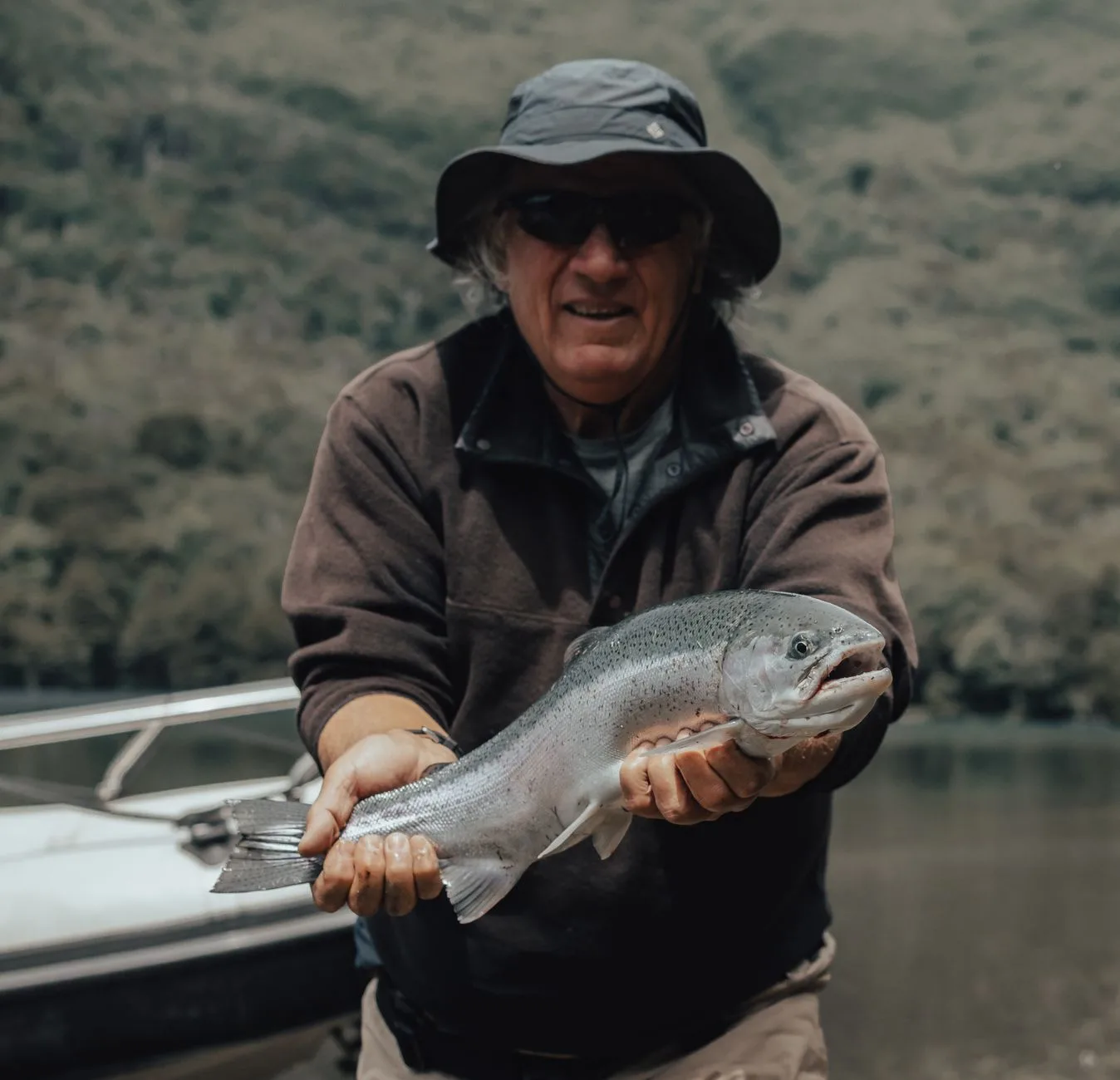
Montana has somewhere in the neighborhood of 3,000 named lakes, and a whole lot more that exist only on topo maps and in the mental files of people who’ve been fishing them for decades. So when someone claims to rank the 10 best trout lakes in the entire state, that’s either a courageous act or a foolish one — possibly both. The YouTube channel HookedOnLakes made that call in 2025, dropping a countdown that’s been making the rounds in fishing circles ever since. It’s worth watching. But a video alone won’t tell you whether the road’s washed out, what the current slot limit is, or whether the trailhead you’re planning on hits a wilderness boundary two miles in.
That’s where this breakdown comes in. Watch the video, then use the notes below to actually plan the trip.
What Makes a Montana Lake Worth the Drive
Fish density matters, but it’s only part of the equation. Public access, road conditions, launch facilities, and FWP-specific regulations all determine whether a lake is actually fishable on any given day. Montana Fish, Wildlife & Parks manages individual waters with regulations that can shift season to season — special slot limits, gear restrictions, and outright closures designed to protect recovering populations of westslope cutthroat, bull trout, and other native species. A lake that was open to harvest last fall may be catch-and-release only this year. Always pull the current FWP regulation booklet for the specific drainage you’re heading into, not just the general district summary.
Alpine Lakes: The Fall Window Is Short
Several of the lakes likely to show up on any serious Montana rankings list sit above 6,000 feet — waters like those scattered through the Bob Marshall Wilderness, the Beartooth Plateau, and the Cabinets. If you’re targeting high-country cutthroat this fall, your window runs roughly from late August through mid-September before weather becomes a genuine liability. The tradeoff is worth it. Fishing pressure drops sharply after Labor Day, and cutthroat that spent July getting educated on elk-hair caddis patterns get considerably more honest once the crowds clear out.
Before heading into any of these areas, grab an access map from the relevant national forest office — the Flathead, Helena-Lewis and Clark, Beaverhead-Deerlodge, and Gallatin national forests all manage significant lake acreage. Trailhead lots fill faster than most people expect on fall weekends, and knowing an alternate route in can save a wasted three-hour morning.
Flatland and Foothills Lakes: Easier Access, Different Tactics
Not every great trout lake in Montana requires a pack string or a ten-mile hike. Canyon Ferry, Hauser, and Holter on the Missouri River drainage offer solid rainbow and brown trout fishing with boat ramps, developed access sites, and no wilderness permit required. Georgetown Lake near Anaconda regularly produces large rainbow and brook trout and sits right off Highway 1 with multiple FWP access points. Fort Peck Reservoir in the northeast is a different animal entirely — it’s massive, the trout share water with walleye and northern pike, and you need to plan your launch points carefully given how far shoreline can shift with water levels.
For stillwater tactics on these larger lakes, leech patterns and balanced nymphs under an indicator account for a lot of fish through September and October. Wind is your biggest variable — most of Montana’s plains reservoirs can go from glass to whitecaps inside an hour, and that affects both safety and fish location.
Regulations and Access: The Two Things That Actually Determine Your Trip
Whatever lakes end up on your list after watching the video, run them through two filters before you load the truck. First, check the 2026 FWP fishing regulations at fwp.mt.gov — search by water name or county to pull lake-specific rules. Second, confirm public access. Some high-visibility Montana lakes are ringed by private land with only a single legal access point that’s easy to miss or inadvertently block. FWP’s Montana Fishing Access Sites map is a free download and worth keeping on your phone.
Lists like this one from HookedOnLakes do something genuinely useful: they surface water that might never have crossed your radar and give you a starting point for research. If one lake in this countdown sends you down a rabbit hole that ends with a 20-inch cutthroat on a dry fly, it did its job. Watch the video, verify the details against current FWP data, and start marking your maps. Fall in Montana moves fast — and the best lakes on any list don’t stay quiet for long once word gets out.
Montana's outdoor week, in your inbox at 7am Friday.