If you’re planning to hit the Stillwater River near Absarokee this week, pack two things: your best terrestrial flies and an early-morning alarm.
According to the latest fishing report from Fly Fish Food covering August 9–16, 2026, the Stillwater is currently sitting at a low-and-clear 506 CFS (1.77 ft gauge height). While the morning water temp starts at a comfortable 63.9°F, high temperatures hitting 96°F alongside smoky skies mean the trout are going to have a very specific daily routine—and you should, too.
Here is your casual guide to making the most of the mid-August stretch.
“With a 96°F high and smoke in the air, your best fishing window is before 10 AM — get on the water at first light and work shaded bank structure with hoppers and ants before the sun bakes the fish down.”
The Game Plan: Early Bird Gets the Rainbows
Trout don’t like getting baked any more than you do. When the sun gets high and the air turns smoky, fish drop into the deep, oxygen-rich pockets and stay quiet. To bend a rod, you need to sync your schedule with the bugs.
- 6:00 AM – 9:00 AM (The Coffee & Caddis Window): Hit the flat pools and riffles early. There’s a solid midge and caddis dry fly hatch happening right off the bat. If you aren’t seeing rises, drop a small tungsten nymph into the deeper runs.
- 9:00 AM – 12:00 PM (Terrestrial Crunch Time): As the temperature climbs, terrestrials take center stage. Tie on foam hoppers or ants and smack them right along grassy cutbanks and boulder edges.
- 12:00 PM – 6:00 PM (Take a Siesta): The water gets warm, the sun gets hot, and the fish get sluggish. Give the trout a break to preserve water quality and grab some lunch in town.
- 6:30 PM – Dusk (The Evening Second Wind): As shadows stretch across the water, hoppers start kicking around again and BWO hatches offer a sweet evening dry-fly session.
“Water at 63.9°F is still in a comfortable range for trout, but it will climb through the afternoon, so plan to be off the water or fishing only the fastest, most oxygenated riffles by 2 PM.”
What’s in the Fly Box?
Keep it heavy on foam for the topwater action and small on tungsten for the deep slots:
- Terrestrials: Bionic Hopper (Tan or Purple, #12), Bionic Ant 2.0 (Black or Brown, #12–#16)
- Dries: Corn-fed Caddis (Tan or Olive, #20), Parachute BWO (#22)
- Nymphs: Tungsten Split Case PMD (#20), Juju Baetis Tungsten (#22), Olsen’s Straggle Stone (#12)
“Once terrestrial action slows midday, drop a tungsten nymph like the Juju Baetis or Split Case PMD under an indicator into the deeper, cooler slots and runs where trout will stack up to escape the heat.”
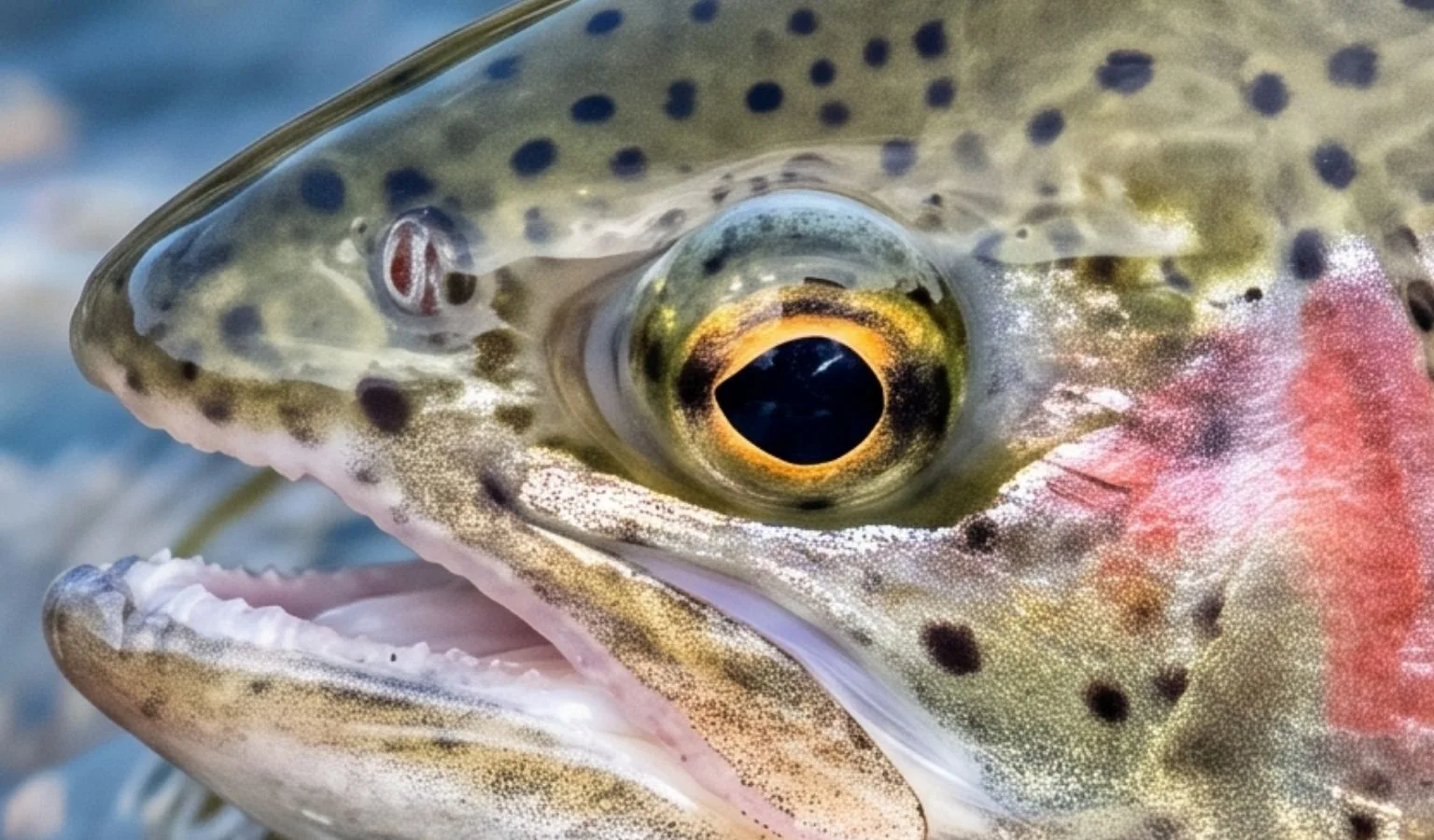
The trout—including Rainbows, Browns, and native Yellowstone Cutthroats—are active and eager, but only if you hit the river during the cooler hours. Set your alarm, stack the foam hoppers on your leader, and be off the water before the afternoon heat takes over!
Montana's outdoor week, in your inbox at 7am Friday.