
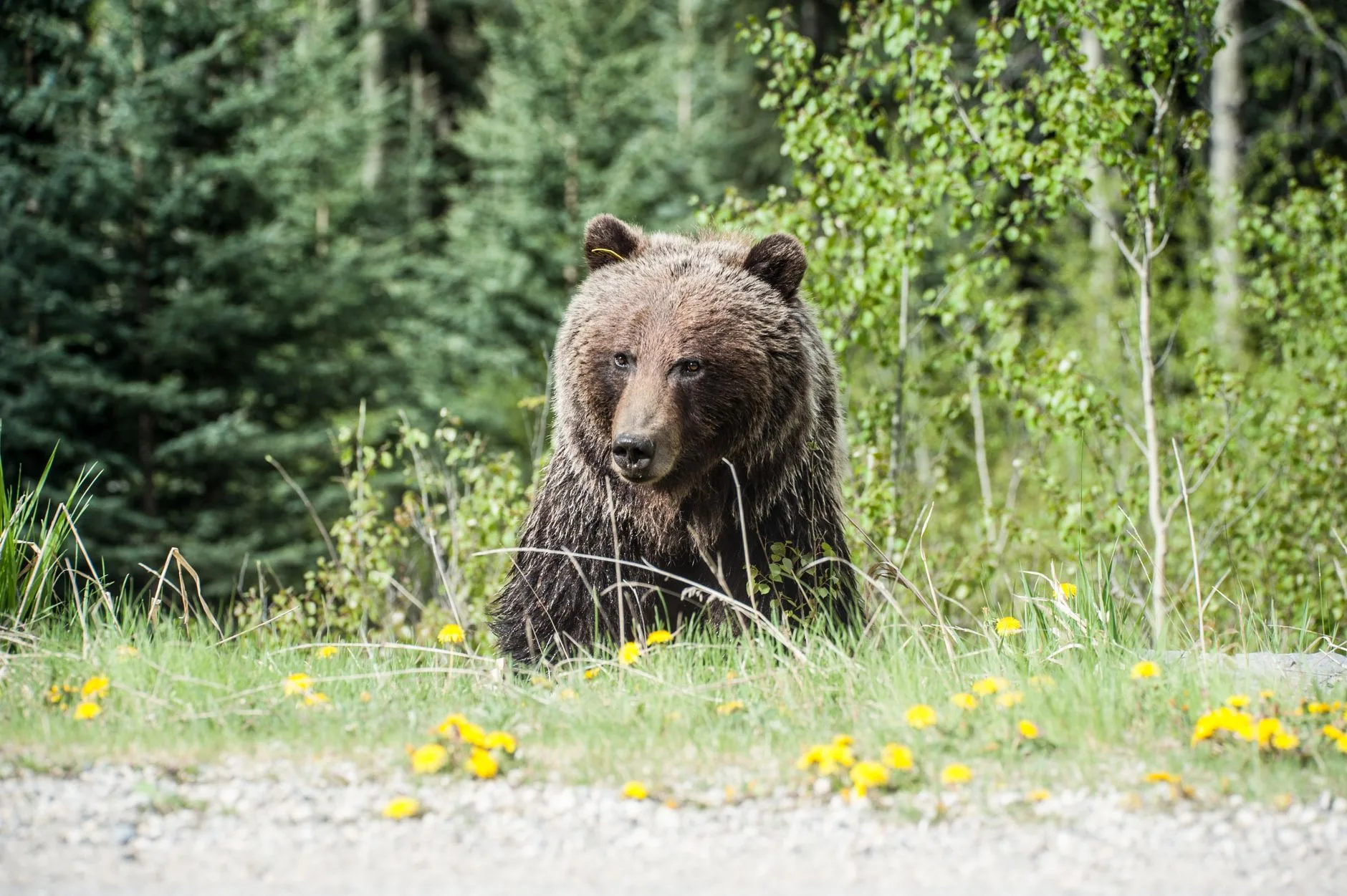
Three consecutive years of record grizzly deaths in the Greater Yellowstone Ecosystem. That’s not a trend you can chalk up to a bad year or a statistical blip — that’s a pattern, and if you’ve got an elk tag in your pocket for the Gallatin Range, the Beartooths, the Madison Valley, or the Thorofare, it’s a pattern that’s unfolding in the same drainages where you’re going to be packing out quarters.
What’s Behind the Record Mortality
The spike isn’t coming from one place. Bears killed for preying on or harassing livestock have contributed a significant chunk of the toll. Roadkills on US-191 through the Gallatin Canyon and US-89 near Gardiner keep adding up. Illegal killings are on the rise. And natural mortality has climbed as bears push outward from core Yellowstone habitat into new terrain, looking for space and food in places that haven’t had consistent bear sign in decades.
That range expansion is the part hunters need to sit with. Trail cameras in hunting camps near the Absaroka-Beartooth Wilderness are pulling grizzly images that would’ve shocked anyone ten years ago. Honestly, the pace of that expansion has surprised even people who’ve been watching this population closely for years. Three straight records suggests a population under real stress at the margins — and a stressed bear in occupied range during the rut-to-late-season transition is a bear you need to be thinking about every time you’re in the field.
Editor’s note: The Bob Marshall Wilderness is core grizzly habitat in the Northern Continental Divide Ecosystem (NCDE), a separate and distinct management unit from the Greater Yellowstone Ecosystem (GYE). References to both in the same regional context have been separated to avoid confusion about population boundaries.
Why Rifle Season Creates Elevated Risk
Elk season and grizzly conflict have always had an uncomfortable overlap in southwestern Montana. The reason isn’t complicated. Gut piles and carcasses are among the most powerful food attractants in the woods, and grizzlies — especially in November, packing on the last calories before denning — will travel hard to reach them. A hunter who drops an elk in the upper Gallatin drainage or along the South Fork of the Madison and leaves a gut pile while packing out meat is, functionally, ringing the dinner bell for every bear within a couple miles.
That’s not a knock on anyone who’s done it. It’s just the reality of hunting in occupied grizzly range, and it demands a field protocol that too many hunters skip because nothing bad has happened to them yet.
Field Protocols Every Hunter in Grizzly Country Should Follow
These aren’t bureaucratic suggestions off a government pamphlet. They’re habits that have kept hunters alive in Yellowstone country for years. Work fast on a downed elk — the longer a carcass sits unattended, the better the odds a bear has already claimed it. While you’re field dressing, make noise. Talk, whistle, keep a radio going. A bear that hears you working is more likely to give way than one that walks in and finds you already kneeling over a pile of guts with your head down.
If you’re packing out over multiple trips, hang or cache your meat away from camp. Don’t leave quarters on the ground near your tent. Bears that find cached meat become problem bears — for you, for the next hunting party through that drainage, and ultimately for themselves, because a food-conditioned bear in a hunting area rarely ends well for the bear.
- Carry bear spray on your hip, not buried in your pack. Safety clip within easy thumb reach. Bear spray has a strong track record in close encounters, but it only works if you can get to it in the two seconds that actually matter.
- Approach any gut pile or carcass you’re returning to with real caution. Circle wide, look for fresh tracks, make noise before you close in. Bears defend food sources hard, and a grizzly on a carcass is not a bear that’s going to politely step aside.
Also know the regulations for your specific hunt district. Some areas within the Yellowstone ecosystem have requirements around carcass removal and reporting. Confirm current rules directly with Montana FWP before you go — they vary by district and can change seasonally.
Hunt Districts Where Awareness Is Highest
If you’re hunting districts that overlap documented grizzly recovery zones in the Gallatin or in portions of Park and Stillwater counties, treat every day afield as a day in active grizzly country. Editor’s note: Specific hunt district numbers referenced in an earlier draft have been removed pending confirmation of current district boundaries and numbering with Montana FWP; verify your unit’s grizzly overlap status directly with the regional office before your hunt. The same applies to hunters working drainages east of Cooke City toward the Clarks Fork of the Yellowstone, and anywhere in the upper Ruby or Madison where bear activity has been climbing.
If you’re not sure whether your unit has documented grizzly activity this fall, call the FWP regional office in Bozeman or Billings before you head out. Takes five minutes. They know what’s been reported.
The Bigger Picture for Montana Hunters
In my experience, the hunters who dismiss grizzly risk are usually the ones who haven’t had a close call yet. Three straight years of record mortality should matter to anyone who actually cares about this ecosystem — not as an abstraction, but as a signal. These are deaths, not relocations or hazing events. The cumulative pressure on a population that’s still recovering, still politically contested, and still under federal protection deserves more than a shrug from the hunting community.
Hunters and grizzlies have been sharing this country for a long time. The Yellowstone ecosystem can hold both — but it takes deliberate habits, real situational awareness, and an honest acknowledgment that when you pack into that drainage in November, you’re not the only apex predator in the drainage. Plan accordingly.
Montana's outdoor week, in your inbox at 7am Friday.