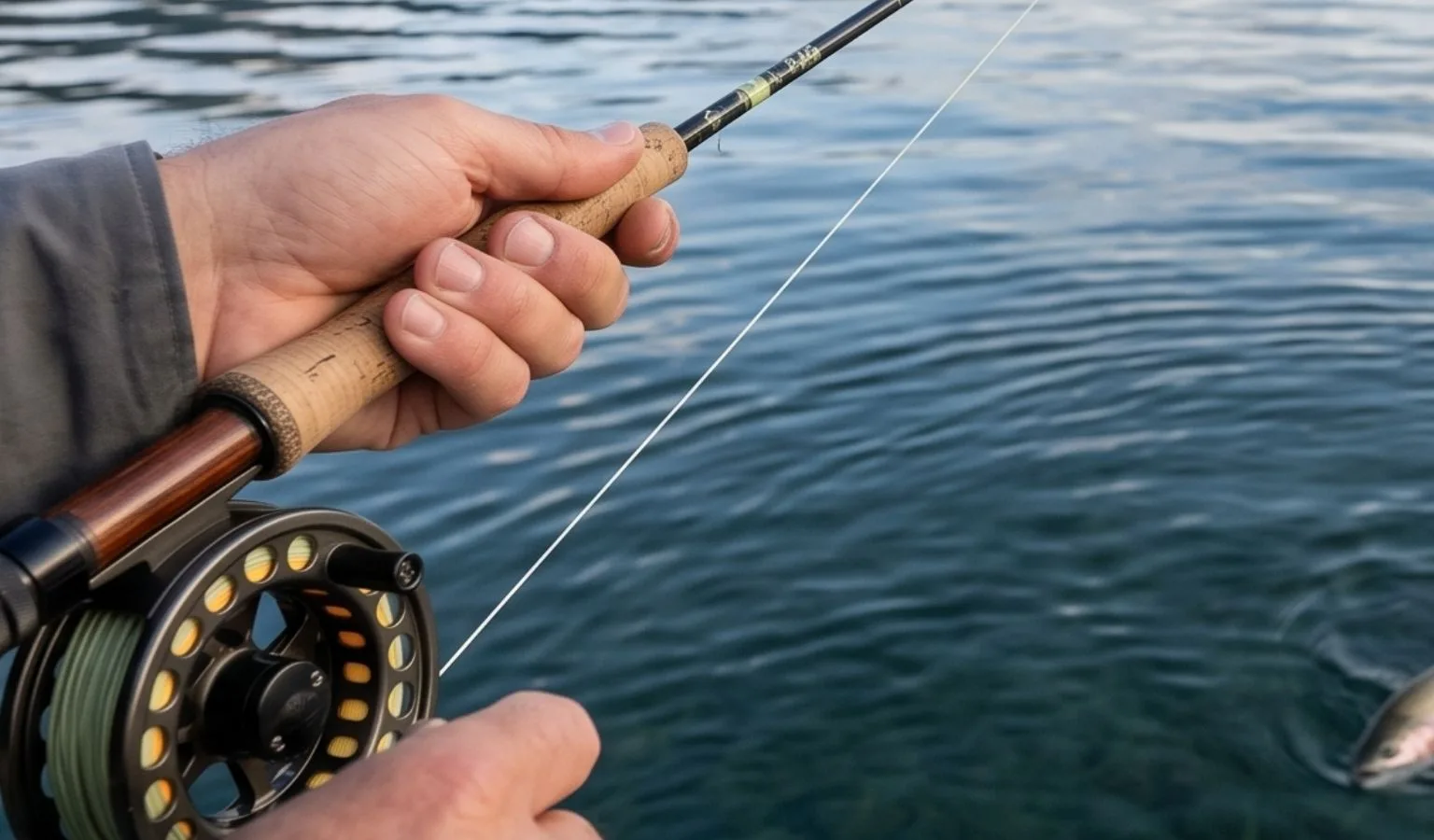
If you’ve been ignoring our stillwaters because the rivers are on fire right now, you’re missing out on some of the most addictive sight-casting of the year, according to Montana Angler’s July 31, 2026 report. Sure, August brings the warmest water temperatures of the season—making the local lakes a bit of a gamble—but the morning and evening hatches are turning the big three (Hebgen, Quake, and Ennis) into prime hunting grounds. If you don’t mind trading sleep for epic “gulper” action, here is exactly what to expect on the lakes for the rest of the summer.
Current Conditions:
Lakes are going to be hit and miss for the next month or so, as this is typically the time of year with the warmest water temps. But, some of the larger lakes like Hebgen, Quake, and Ennis are producing some nice gulper action with the tricos and callibaetis early in the morning and late in the evening. On Quake and Hebgen, some spruce moths can also bring large trout to the surface. August is the peak time to gulper fish over thick hatches.The Month Ahead:
Hebgen and Quake can have some early morning gulper action, but most of the ranch lakes are going to be weedy and warm, except for a few specific ones that are deep and cold.Long Term Fishing Forecast:
Lakes are always an interesting option in the summer. Sometimes we forget about the stillwaters in mid summer when the rivers are all fishing so well but they offer a nice change up and the shot at sight casting to trophy trout can be addictive!
Why Montana Lakes Deserve Your Attention in August
It’s easy to default to the Madison, Gallatin, or Yellowstone when summer is in full swing. Those rivers get all the press, and for good reason—but that attention also means crowded banks, elbow-to-elbow wade fishing at the best runs, and trout that have seen more fly patterns than most anglers own. The lakes offer a genuine escape from all of that. On a flat-calm August morning, anchored in a float tube or a drift boat on Hebgen with tricos popping off the surface and big browns sipping in every direction, it’s hard to argue that the rivers are the better bet.
The key distinction with summer stillwater fishing in Montana is that you’re not casting blind. You’re hunting. You spot the fish, you identify the rise form, you determine what it’s eating, and you make a presentation. It demands more from an angler than swinging a streamer through a riffle, and the rewards are proportional. A 20-inch brown trout eating size 22 tricos on a glassy lake surface is one of the most satisfying targets fly fishing has to offer.
Understanding the Gulper Phenomenon
If you haven’t heard the term “gulper” before, you’re in for an education. Gulpers are large trout—typically browns and rainbows—that cruise the surface of calm lakes during heavy hatches, inhaling insects in steady, rhythmic rises. Unlike river trout holding in a fixed position, gulpers are constantly moving, which means you need to read their travel path and lead the fish rather than casting directly to the rise ring.
The behavior is most pronounced during trico and callibaetis hatches, which are the two dominant stillwater hatches of late summer in southwest Montana. Tricos typically hatch in the early morning hours, often before 9 a.m., and the spinner fall that follows can trigger explosive surface feeding that lasts an hour or two. Callibaetis hatches tend to run a little later in the morning and can fire again in the late afternoon or early evening. When both insects are on the water simultaneously, the fishing can border on overwhelming.
Spruce Moths: The Wild Card
On Hebgen and Quake Lake specifically, spruce moths add an entirely different dimension to the late summer surface game. These large, tan-bodied moths are blown onto the water from surrounding forests, and big trout absolutely hammer them. Spruce moth fishing is less predictable than hatch-driven rises—wind and timing play a huge role—but when it comes together, it produces some of the largest trout you’ll find eating on the surface all year. A size 10 or 12 elk hair caddis or a dedicated spruce moth pattern fished on a dead drift or with a subtle twitch can draw violent strikes from fish that would otherwise require a streamer to move.
A Closer Look at the Key Lakes
Hebgen Lake
Hebgen is the flagship stillwater fishery in this part of Montana, and it earns that reputation every August. The lake sits at roughly 6,500 feet in elevation just west of West Yellowstone, which keeps water temperatures more manageable than lower-elevation lakes during the heat of summer. The upper arms of the lake—particularly around the inlet areas—tend to hold the most consistent hatch activity and the most gulping fish. A float tube, pontoon boat, or small watercraft is essentially required to fish it effectively. Access points are available around the lake; check current FWP regulations for any updated access or special regulations before you go.
Quake Lake
Quake Lake sits just downstream of Hebgen and was formed by the 1959 Madison Canyon earthquake, one of the most significant geological events in Montana’s modern history. The lake is smaller and shallower than Hebgen in places, which means it can warm faster, but it also produces excellent early morning gulper action on calm days. The submerged timber that characterizes parts of the lake can make boat navigation tricky, so local knowledge helps. The fish here tend to be slightly smaller on average than Hebgen, but they’re no less willing to eat a well-presented dry fly during a good hatch.
Ennis Lake
Ennis Lake at the lower end of the Madison Valley is a different animal. It fishes best during the shoulder seasons—spring and fall—but summer evenings can produce solid callibaetis action, particularly along the weed edges and in the shallower bays. The lake tends to warm considerably by August, so targeting those early and late windows is critical. Wind is a constant factor on Ennis, and a calm evening is something you plan your whole day around when the fish are up.
Practical Tips for Late Summer Lake Fishing
Timing Is Everything
Set your alarm. Seriously. The best trico action on Hebgen and Quake often starts at first light and can be largely over before most anglers are launching their boats. Plan to be on the water and in position before the hatch begins, not after. Evening sessions for callibaetis and spruce moths are similarly time-sensitive—the window between fishable light and dark can be surprisingly short in August.
Gear and Fly Selection
A long, light leader is essential for stillwater dry fly fishing—most experienced lake anglers fish leaders in the 12- to 16-foot range with tippet in the 5X to 7X range depending on fly size and fish size. Trico patterns in sizes 20-24, callibaetis duns and spinners in sizes 14-16, and spruce moth imitations in sizes 10-12 cover the primary hatches. A good pair of polarized sunglasses is not optional—it’s how you find the fish.
Approach and Presentation
Stillwater gulpers spook easily, especially in calm conditions. Keep your distance, minimize false casts, and get your fly on the water ahead of the fish’s travel line. A sloppy presentation on a glassy lake will put the fish down immediately. Many experienced gulper anglers prefer to anchor or hold position and let the fish come to them rather than chasing every rise.
What to Expect for the Rest of Summer
The hatch activity on the big lakes should continue through August and into early September, with callibaetis often providing the most consistent action as summer winds down. Ranch lakes across the region are a mixed bag right now—most are weedy and warm, which pushes fish deep and makes surface fishing difficult. The exceptions are the deeper, colder private and public lakes that maintain cooler bottom temperatures through the summer. If you have access to one of those, it’s worth investigating.
As water temperatures peak in mid-August, pay attention to fish condition and behavior. Trout stressed by warm water fight less and recover more slowly. If you’re catching fish that are lethargic or rolled easily, consider moving to cooler water or calling it a day. Always check current Montana FWP guidelines for any hoot owl restrictions or temporary closures that may apply to stillwaters in your target area, as these can change with conditions.
The Bottom Line
The rivers will still be there tomorrow. If you’ve never chased gulpers on a Montana lake in August, this is your year to find out what you’ve been missing. The combination of technical sight-casting, genuinely large trout, and the eerie calm of a mountain lake at dawn adds up to an experience that’s completely different from anything the rivers can offer—and every bit as memorable. Tie on some tricos, set that alarm for 5 a.m., and go find out what the stillwater crowd already knows.
Montana's outdoor week, in your inbox at 7am Friday.