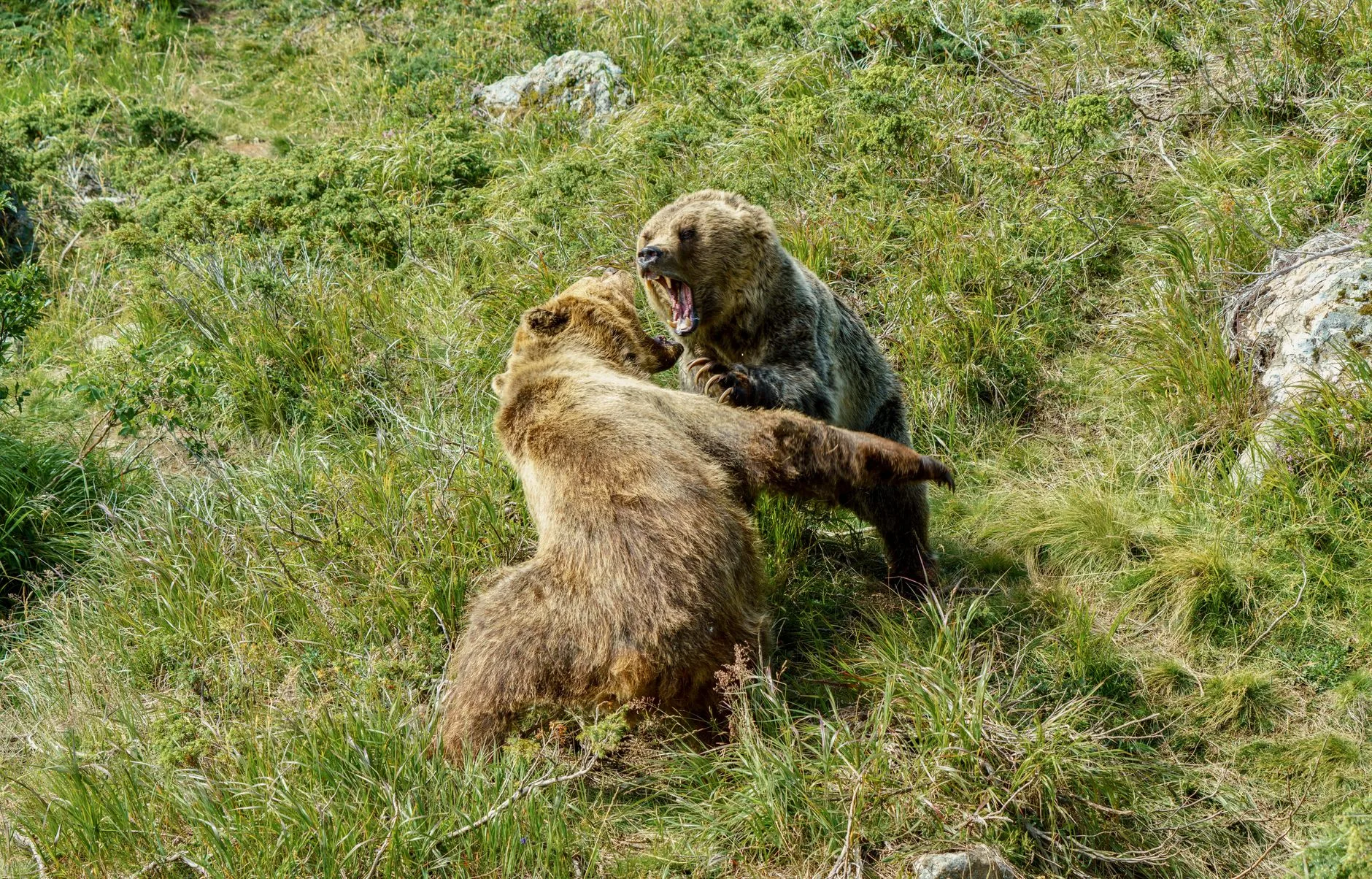
It wasn’t deep in the Bob Marshall Wilderness. It wasn’t some remote drainage that takes two days on horseback to reach. It was along Elk Creek, south of Augusta — the kind of country that Montana bowhunters have been slipping into for generations without giving grizzlies a second thought. That changed on September 14th, when a bear came out of the brush and hit a bowhunter before he had time to react. According to Montana Fish, Wildlife & Parks, the hunter survived after deploying bear spray, but the attack serves as a hard reset on how hunters need to think about the Rocky Mountain Front going forward. The channel Range Shift dug into this attack and what it signals about where grizzly bears are heading — and it’s worth your full attention before you pull out the topo maps for next season.
This Isn’t Traditional Grizzly Country — And That’s Exactly the Problem
The Augusta area sits at the edge of the Rocky Mountain Front, that long seam where the mountains drop into the plains along Highway 287 through Lewis and Clark County. It’s some of the best public elk and mule deer habitat in the state — a mix of USFS land, BLM ground, and block management access that draws serious bowhunters every September. The Sun River, Dearborn, and Teton drainages all funnel through this corridor, and during early archery season, the creek bottoms and willow flats are exactly where hunters want to be, working vocal bulls and catching thermals off the ridges at first light.
What this country hasn’t historically been is grizzly bear habitat — not in the way the South Fork of the Flathead, the Scapegoat Wilderness, or the upper Sun River Game Preserve are. But MFW&P has documented bears expanding well outside the Northern Continental Divide Ecosystem in recent years, showing up in drainages and foothill country where they simply weren’t a factor a decade ago. That range expansion is documented, it’s ongoing, and the Elk Creek attack is one of its more visible consequences.
The mental gap this creates is what actually gets hunters hurt. A bowhunter working a creek bottom in early September is thinking about wind, thermals, and screaming bulls — not a defensive sow in the willows. Bears in transition range don’t announce themselves the way they might in places where people have been managing encounters for years. You’re not mentally locked into bear-country mode the way you would be dropping into the White River drainage or heading up the Spotted Bear. That complacency is the real hazard.
What Montana Hunters Should Actually Do Differently
None of this means you stay home. The Front produces exceptional hunting and it’s going to keep drawing people — as it should. But there are real, practical adjustments worth making before your next trip into this country:
- Bear spray on your hip, not in your pack. This gets said constantly and ignored constantly. A can buried in your daypack does nothing when a bear covers 30 yards in two seconds. Every person in your party should carry their own can in a chest or belt holster, accessible with one hand.
- Make noise in creek bottoms and thick brush. Willows, berry patches, and any drainage with heavy vegetation deserve the same vocal treatment you’d give a blind corner in Glacier. Talk, clap, call out — especially in the morning when you’re moving into position.
- Hunt with a partner when you can. Solo bowhunting is part of the appeal for a lot of people, but two hunters working together are statistically less likely to surprise a bear and more capable of responding if something goes wrong.
- Know what’s been in the area. MFW&P maintains bear incident reports and FWP regional offices can often tell you what’s been documented in a specific drainage. A quick call to the Great Falls or Choteau FWP office before your season starts costs nothing.
- Field dress elk with awareness. A downed elk is a food source, and bears — grizzly and black — will locate it faster than most hunters expect. If you’re breaking down an animal in heavy cover near a creek, stay loud, work quickly, and pay attention to what’s around you.
The Bigger Picture Behind This Attack
Montana’s grizzly situation is complicated by ongoing federal delisting debates, disagreements between ranchers, hunters, and conservation groups over population targets, and real questions about how management authority gets divided between the state and federal government. Tribal consultation requirements add another layer to any formal management decisions. That political backdrop matters because it means the bear population along the Front is unlikely to be actively reduced anytime soon — which means hunters need to adapt their behavior rather than wait for the situation to resolve itself politically.
The Range Shift video does a solid job putting the Elk Creek attack in that broader context rather than treating it as a freak outlier. It isn’t one. It’s consistent with where grizzly range expansion has been trending for years, and the Front is ground zero for what happens when that expansion runs directly into one of Montana’s most popular archery hunting corridors. Watch it before your next trip in. Then go hunting — just go prepared.
Montana's outdoor week, in your inbox at 7am Friday.