
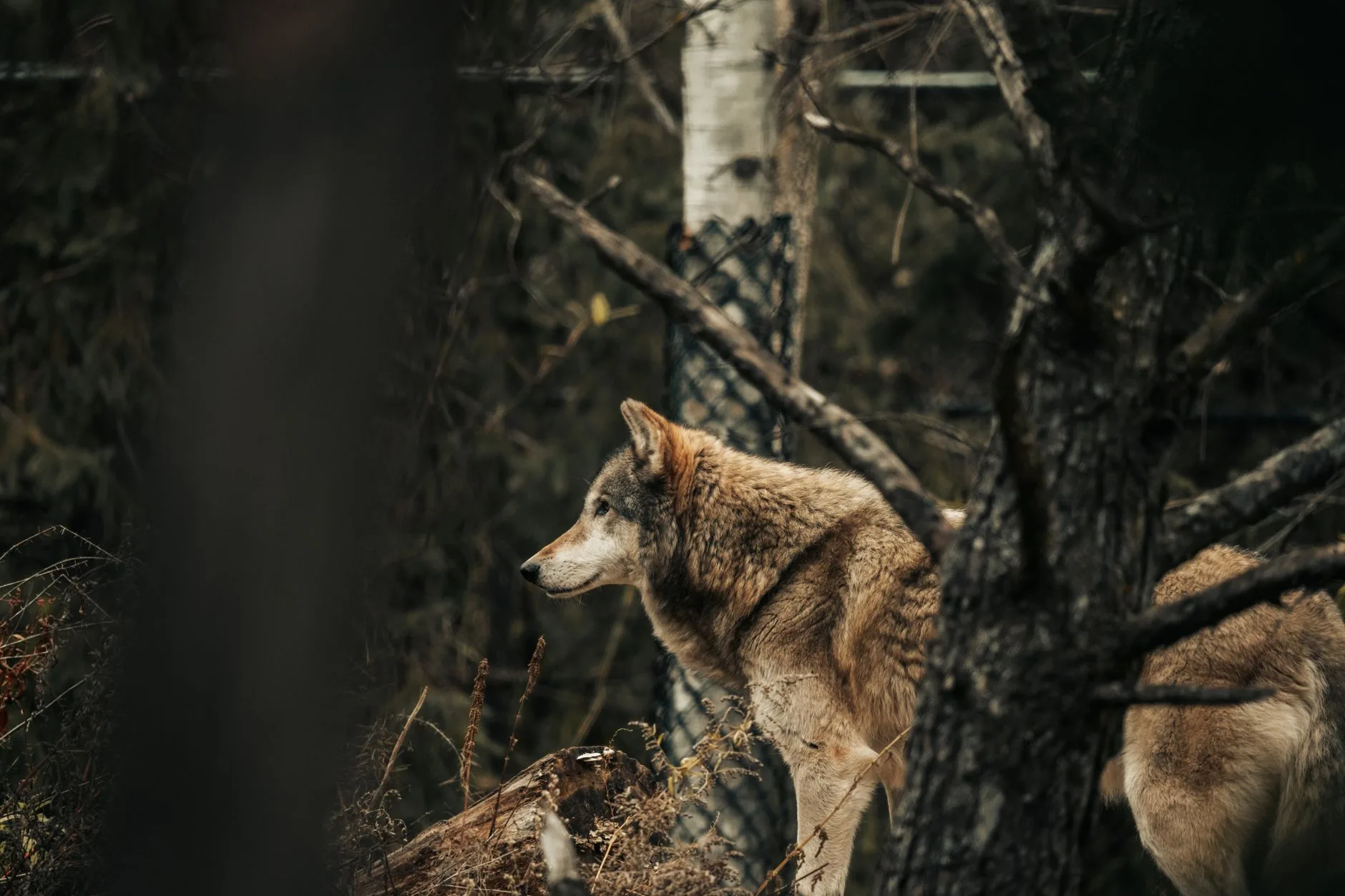
If you’ve been paying attention to wolf management in Montana lately, you already know the debate never really cools down — it just shifts shape. But the latest move out of Helena has hunters, conservationists, and everyone in between talking louder than usual. Montana Fish, Wildlife & Parks has simultaneously reduced its official wolf population estimate and increased harvest quotas for the upcoming season — a combination that looks like a contradiction on paper but makes more sense once you dig into the details. The Saltlick Worldwide crew broke it down in their most recent weekly recap, which is worth watching regardless of whether you chase wolves yourself.
What Montana FWP Actually Changed — and Why It Matters
Montana’s wolf population estimates have long been a point of contention between the agency and the people who spend the most time in wolf country. Outfitters working the Bitterroot drainage, ranchers in the Ninemile Valley, and elk hunters in the Lolo zone have argued for years that official pack counts don’t reflect what’s actually moving through remote drainages during winter. Formal documentation requires confirmed pack activity — radio-collared animals, verified kills, or direct observation by agency staff — which means activity in roadless areas of the Bob Marshall Wilderness or the South Fork of the Flathead can go unrecorded for entire seasons.
According to FWP’s most recent wolf program reports, Montana’s estimated wolf population has hovered in the range of 1,000 to 1,200 animals in recent years, though the agency acknowledges those figures carry significant uncertainty. The new methodology the state is applying leans harder on remote camera data, track surveys, and howl-response data collected by both agency staff and tribal wildlife programs — sources that have historically supported higher counts in areas like the Salish Mountains and the upper Blackfoot corridor. If the revised estimate is lower in absolute number but derived from a more honest accounting of what’s actually verifiable, the quota increase may reflect a recalibration rather than a political move. That distinction matters, both for how you interpret the season and for how it holds up if it gets challenged in court.
The Legal Exposure Is Real
Montana wolf management doesn’t happen in a vacuum. Since reintroduction to Yellowstone and central Idaho in 1995, wolf seasons in the northern Rockies have been interrupted or restructured by federal litigation more than once. Any methodology change that results in a higher kill quota — even if the underlying science is sound — is the kind of move that invites ESA-related lawsuits from groups that have been watching for exactly this kind of opening. A legal injunction mid-season is not hypothetical here; it’s happened before in both Montana and Idaho, leaving hunters holding valid tags and nowhere to legally use them. If you’re planning a wolf hunt this fall, it’s worth checking Montana FWP’s regulation updates page regularly between now and your season opener. Seasons can change fast when litigation moves fast.
What This Means Depending on Where You Hunt
The quota increase is not uniform across the state, and the regional breakdown is where things get practical. Western Montana — particularly hunting districts in the Lolo National Forest and the Bitterroot zone — has carried significant predation pressure on elk for going on fifteen years. FWP’s own elk population data for the Lolo zone shows herds operating well below objective numbers, and predation has been identified as a contributing factor alongside habitat and hunter harvest. A higher wolf quota in those districts, if it holds legally, could provide some relief that has been a long time coming for hunters who have watched elk numbers contract in areas they’ve hunted their whole lives.
Further north and east — in districts around the Rocky Mountain Front, the Sun River drainage, and areas adjacent to Glacier National Park — the dynamics are different. Wolf packs in those areas interact with elk herds that are in better shape overall, and the quota adjustments there may be less consequential on the ground than the western Montana changes. Know your hunting district. The statewide headline doesn’t tell you much without the zone-level breakdown.
Practical Takeaways If You’re Hunting Wolf Country This Fall
- Pull the current regulations before you go. Montana wolf licenses are available over the counter for residents, but bag limits, season dates, and legal zones are subject to change. Confirm your district is open and check for any emergency rule changes at fwp.mt.gov before your trip.
- If you’re an elk hunter, this context affects your scouting. In zones where wolf pressure has been documented, pack activity tends to push elk out of traditional drainages and into higher or more open terrain — sometimes predictably, sometimes not. Talk to the FWP regional office covering your hunting district before the season and ask specifically about pack activity in your target area. They will often share more than what shows up in the public-facing reports.
- Don’t count on a wolf season being there all fall. Budget your time and plan an early-season trip if wolves are on your list this year. If litigation hits, it typically hits before or early in the season. The hunters who tag wolves in Montana are usually the ones who move early and hunt hard in the first few weeks.
- Hound hunters in the Bitterroot and Clark Fork drainages should pay particular attention to how the regional quota allocations shake out — those corridors have historically produced the most consistent wolf-hound contacts, and any quota change there will affect how aggressively you can run dogs before a zone closes out.
The Saltlick video above is a solid starting point for understanding the broader debate. But whatever side of this issue you land on, the decisions coming out of Helena right now are going to have real effects on the ground in places like the Thompson Falls drainage, the Whitefish Range, and the Selway country along the Idaho line. That’s not abstract wolf politics — that’s the terrain a lot of you are already planning to walk this fall.
Montana's outdoor week, in your inbox at 7am Friday.