
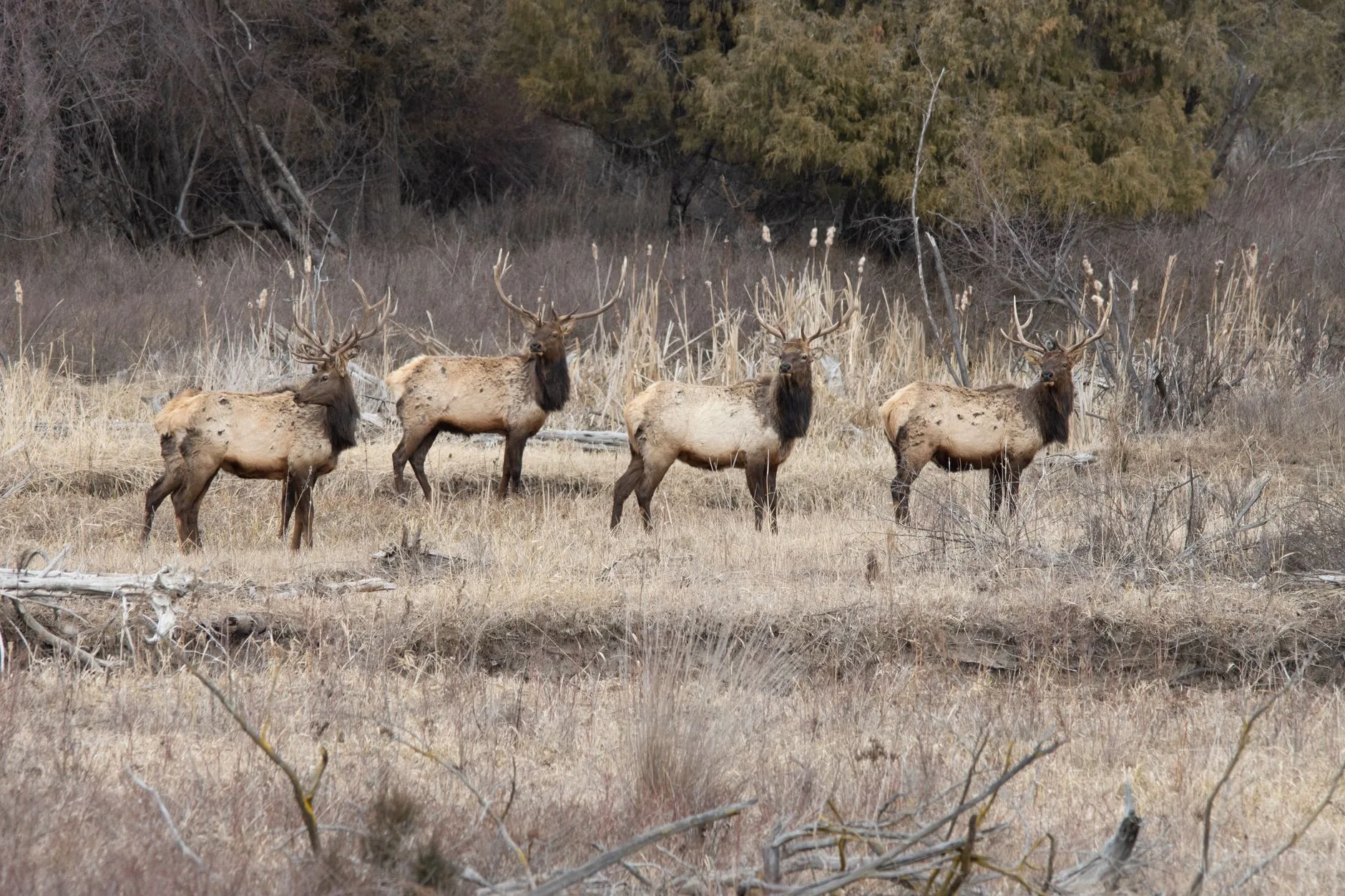
If you’ve ever wondered what game wardens actually deal with in the field, this episode from WILDLANDS pulls back the curtain in a way that’s equal parts satisfying and sobering. Warden Matt Heaton — working right here in Montana — measures a poached 6×6 bull elk that hits the threshold for the state’s $8,000 trophy restitution standard. Then, almost as a bonus, the video pivots to a decoy deer sting where a group of hunters pulls the trigger on what they think is an easy opportunity. Spoiler: it wasn’t.
What Montana’s Trophy Restitution Law Actually Means
Montana’s trophy restitution law isn’t just a fine — it’s a direct dollar value placed on what that animal represented to every legal hunter who played by the rules. Under Montana Code, restitution values are set by the Fish, Wildlife & Parks Commission, and a mature 6×6 bull clears the $8,000 mark without much debate. Add in license revocation, potential felony charges depending on the circumstances, and the very real possibility of a civil lawsuit from the state, and you’re looking at a financial hit that can genuinely wreck someone’s life. Poaching a bull like that isn’t just morally wrong — it’s an extraordinarily bad gamble.
The restitution framework exists because wildlife in Montana belongs to the public — all of it. Every elk, deer, antelope, and moose that wanders across this state is held in trust for Montana residents and the broader public by FWP. When a poacher kills a mature bull elk without a tag, without authorization, or out of season, they aren’t just stealing from the state in some abstract bureaucratic sense. They’re stealing from the rifle hunter who burned vacation days hiking into the Bitterroot, from the bowhunter who spent September glassing ridges above the Missouri Breaks, and from the next generation of hunters who never got the chance to draw a tag for that specific district. Trophy restitution puts a number on that theft — and the number is intentionally significant.
Beyond the restitution itself, poaching convictions in Montana can result in the loss of hunting and fishing privileges for years, sometimes permanently for repeat offenders. Montana also participates in the Interstate Wildlife Violator Compact, which means a revocation here follows you across dozens of participating states. The idea that a poacher can simply move one county over and keep hunting is a myth. The consequences are long, they are broad, and they are increasingly difficult to escape.
How Montana FWP Uses Decoy Operations
The decoy operation is where this video gets genuinely compelling for anyone who spends time in the field. Montana FWP has used robotic and static decoy deer and antelope for years, particularly along roadsides and field edges where spotlighting and road hunting are chronic problems. The decoys are realistic enough that hunters moving too fast and thinking too little pull the trigger without a second thought. What makes it sting is how preventable it is — slow down, confirm your target, know your zone, and make sure you have the right tag in your pocket. The basics that every hunter learns on day one of hunter ed.
Where Decoy Stings Tend to Happen
FWP warden decoy operations aren’t random. They’re placed deliberately in areas where road hunting complaints are concentrated — county roads that bisect agricultural land, two-tracks along fence lines, field edges near small towns where deer congregate in the shoulder seasons. If you’ve driven through eastern Montana during rifle season, you know the type of spot: a mule deer buck standing broadside in a harvested wheat field, visible from the road, almost asking to be shot from the window. That’s exactly where the decoys go.
Western Montana has its own patterns. Whitetail deer in river bottoms, along irrigation ditches, and on the edges of private agricultural ground attract the same type of opportunistic behavior. FWP wardens are well aware of the local pressure points in each district, and decoy operations are one of the more cost-effective tools for catching the kind of violations that are otherwise nearly impossible to document without a witness.
How Realistic Are These Decoys?
Modern wildlife decoys used by law enforcement agencies have come a long way from the foam silhouettes of earlier decades. Many are motorized, with heads and tails that move on a timer or by remote control. In low light — dawn, dusk, or the brief legal shooting window on either end of the day — they are genuinely convincing. That’s the point. If the decoy looks fake from a hundred yards in full daylight, it doesn’t catch anyone doing anything they shouldn’t be doing. The fact that experienced hunters pull the trigger on these setups is a testament to how realistic they’ve become — and how little scrutiny some people apply before shooting.
The Violations That Decoy Operations Are Built to Catch
Road hunting — shooting from or immediately alongside a vehicle — is one of the most common wildlife violations in Montana and one of the hardest to prove without direct observation. A warden parked behind a hill can’t watch every vehicle that passes a deer in a field. But a warden with a remote-controlled decoy deer, a camera, and a radio can document exactly what happened, who pulled the trigger, and what firearm was used, all before the suspects even realize anyone is watching.
Other violations decoy operations frequently catch include shooting without a valid license, shooting a deer of the wrong species or sex for the current tag, trespassing to retrieve the animal, and attempting to tag an animal that wasn’t legally taken. In some cases, wardens have documented multiple violations stacking up in a single incident — a driver stops, someone shoots from the window, the truck pulls through a fence line onto private land, and a tag from a different hunting district gets slapped on the “deer.” Each of those steps is a separate charge.
What This Means for Honest Hunters in Montana
It’s worth being honest about who these operations are aimed at. The vast majority of Montana hunters — resident and nonresident alike — follow the rules. They wait for legal shooting hours, they confirm their target, they hunt within their zone, and they respect private land boundaries. For those hunters, a decoy operation is essentially invisible. You’ll never know one was running in your area because you never would have shot that deer from the road in the first place.
But poaching has real, measurable effects on the hunting that law-abiding hunters enjoy. Mature bulls and bucks killed illegally are animals that don’t breed, don’t get older, and don’t show up in someone’s legal harvest. In heavily pressured units, the cumulative effect of poaching — especially of mature males — can affect herd age structure and the overall quality of the hunt over time. The wardens running these operations are doing it for the resource, yes, but they’re also doing it for every hunter who spent their points, bought their license, and did everything right.
Tips for Staying on the Right Side of the Law This Season
None of this should be news to experienced Montana hunters, but it’s worth saying plainly for anyone new to the sport or hunting Montana for the first time:
- Know your hunting district and the regulations that apply to it. Montana’s hunting districts vary significantly in season dates, legal species, and antler restrictions. Always check the current FWP regulations before you head out — what applied last year may have changed.
- Confirm your target before you shoot. This is fundamental firearm safety and fundamental ethical hunting practice. A deer-shaped object in low light is not a deer until you’ve identified it clearly.
- Do not shoot from or across a public road. Montana law prohibits it, and it’s one of the most common violations wardens encounter.
- Verify your tag applies to the animal in front of you. Species, sex, and hunting district all matter. Shooting a whitetail with a mule deer tag, or hunting in an adjacent district you haven’t drawn for, are real violations with real consequences.
- Respect private land boundaries. If you’re not sure where private land starts, don’t assume. The Block Management Program and onX Hunt maps are both excellent resources for understanding land status before you go afield.
Game Wardens Deserve More Credit Than They Get
Videos like this one are a useful reminder that Montana’s game wardens are doing demanding, often thankless work across an enormous landscape. Montana is a big state. FWP has a finite number of wardens covering millions of acres of public and private land, and they can’t be everywhere at once. Decoy operations, tip lines like 1-800-TIP-MONT, and cooperation from the hunting public are all part of how FWP stretches its enforcement capacity across that geography.
If you see something that doesn’t look right in the field — a gut pile in a closed area, a vehicle parked suspiciously at night, someone who shot more animals than they have tags for — report it. You don’t have to be certain to make a call. Let the wardens sort it out. The tip lines are confidential, and the reward programs that exist in Montana have paid out real money to people who came forward with information that led to a conviction.
Watch It, Share It, and Hunt It Right
Whether you’re heading into the backcountry after elk this fall or sitting a field edge waiting on a whitetail, this video is worth twenty minutes of your time. Not as a scare tactic, but as a reminder that Montana’s wardens are out there, they’re creative, and they take this seriously — because the resource deserves it. The hunters who do it right every year deserve it too. Give it a watch, share it with someone new to the sport, and go fill your tag the right way.
Montana's outdoor week, in your inbox at 7am Friday.