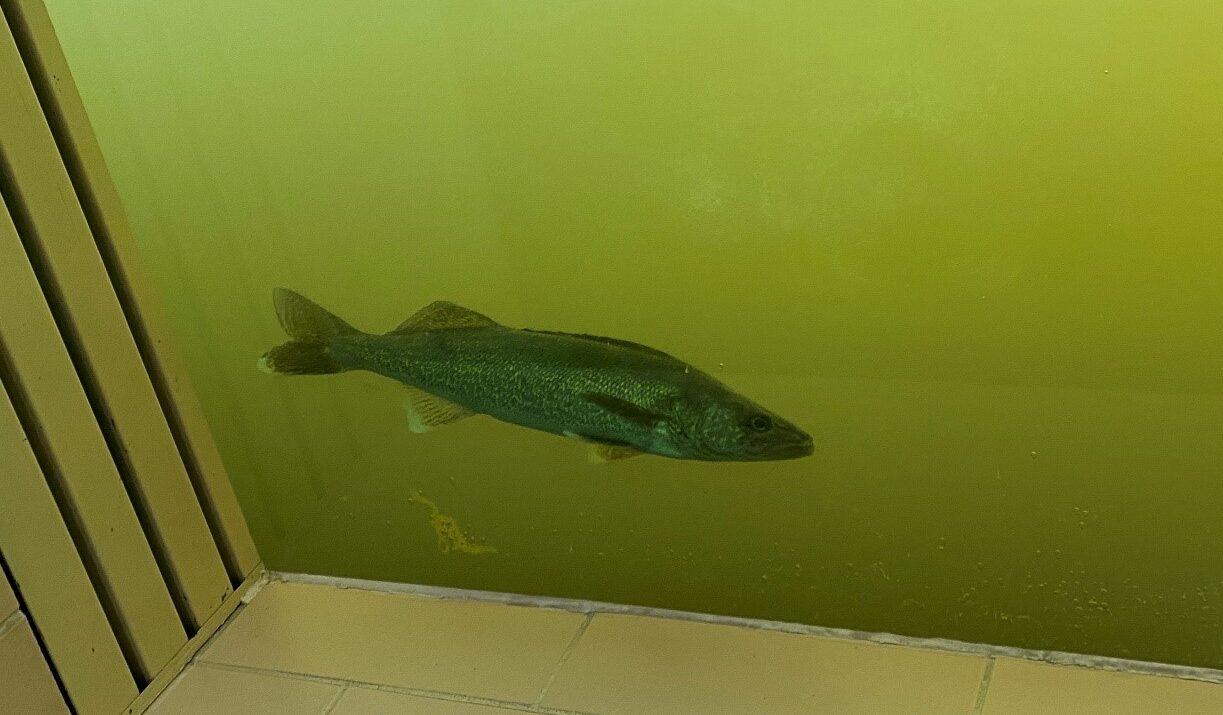
IDFG says Anglers should keep any walleye they catch in the Snake and Salmon rivers
Angela Montana·August 21, 2023
A press release by Idaho Fish and Game states that walleye are spreading into Idaho, and that people should keep any walleye they catch in the Snake and Salmon rivers.
Here is the press release published this past week on August 14, 2023:
Anglers should keep any walleye they catch in the Snake and Salmon rivers.
Idaho Fish and Game has received more verified reports and pictures from people catching walleye in the Hells Canyon reach of the Snake River and Salmon River in 2023 than in all previous years. It is alarming to receive so many reports of walleye being caught upstream of Lower Granite Dam, and unfortunately there are indicators that more walleye are coming which is not good for salmon and steelhead.
If anglers catch walleye in rivers and streams where there are anadromous fish, do not release them back to the river alive and instead, enjoy a very tasty dinner.
Figure 1. Two walleye caught in the same hole on the Snake River near Cougar Bar in Hells Canyon in July 2023 (prime smolt-eating size).
Roughly 80 years ago, walleye were first identified in Lake Roosevelt in Washington through illegal introductions. It is likely that other illegal introductions of walleye in the Columbia River basin occurred and led to their spread in the mainstem Columbia and Snake rivers. Walleye are now established in the Columbia and lower Snake rivers and provide a popular fishery.
Now why would this be a bad thing? Walleye are opportunistic, apex predators that will eat any fish it can get its teeth into. These fish can greatly affect native species, including prized anadromous fish.
The Columbia River ecosystem has changed immensely since Bonneville Dam, the first Columbia River dam, was constructed in 1938. Some of what changed are the fish species that now occupy the large rivers. Walleye, smallmouth bass, channel catfish and even Northern pike now occupy the Columbia River basin and prey on native fish.
Salmon and steelhead did not evolve with these non-native predators and can be especially vulnerable to predation. Another recent change is that the big rivers seem to be warming up for longer periods of time, which can favor expansion of walleye into new areas. An average sized female (16 inches or 1.5 pounds) can produce 57,000 eggs in a year, whereas larger females (greater than 8 pounds) are known to produce over 300,000 eggs in a year! This means if conditions are favorable, walleye abundance in areas they are invading can increase quickly.
Several studies have looked at predation rates of salmonids in the Columbia River reservoirs, and many indicate that consumption rates of salmonids by walleye are similar to native Northern pikeminnow, especially for walleye that range in size between 10-16 inches, because small salmonids are the perfect prey size.
As walleye grow, they will include many other fish species on top of salmonids in their diet. Walleye only add to the many difficulties that salmon and steelhead face, and as they expand their range and abundance in large rivers, more hungry mouths will be eating salmon, steelhead and other native species. This is especially important for wild juvenile salmon and steelhead that often overwinter and rear in large rivers in Idaho before making their journey to the ocean.
The adult fish trap at Lower Granite Dam has been operated and used to monitor salmon and steelhead since the dam’s completion in 1975. It wasn’t until 2016 when the first walleye was collected at the fish trap. Since then, the number of walleye trapped has increased every year and in 2022, 74 walleye were handled (and lethally sampled) at the Lower Granite fish trap (Data shows increasing numbers of walleye at Lower Granite Dam near Lewiston | Idaho Fish and Game).
Many more walleye migrate up the fish ladder than are trapped because the trap operates periodically, and most smaller fish (less than 12 inches) are too small to be trapped. The Corps of Engineers records daily counts of fish at the window, and although they do not publish records of non-target species like walleye, they have indicated that counts have been exponentially increasing the past few years with recent annual estimates in the thousands. This is not good news for people trying to manage for salmon and steelhead and those hoping to catch them in the future.
Salmon and steelhead returns support a massive economy for the Pacific Northwest that revolve around commercial, recreational and tribal fisheries in saltwater and freshwater. Anadromous fisheries contribute billions of dollars annually to local economies, and to some small fishing towns like Riggins they are the bread and butter to the community.
Figure 3. Walleye (25 inches) caught by an angler on the Snake River at the mouth of Rush Creek in Hells Canyon in August 2023.
There is no limit on size or possession in rivers in Idaho where there are salmon or steelhead. Fish and Game is trying to keep track of angler encounters and locations where they are caught. To help us out, you are welcome to call the Lewiston Regional Office at 208-799-5010 and let us know how big they were, where you caught them, what gear you used and if you harvested them. This will help us in understanding their current range and size structure.