
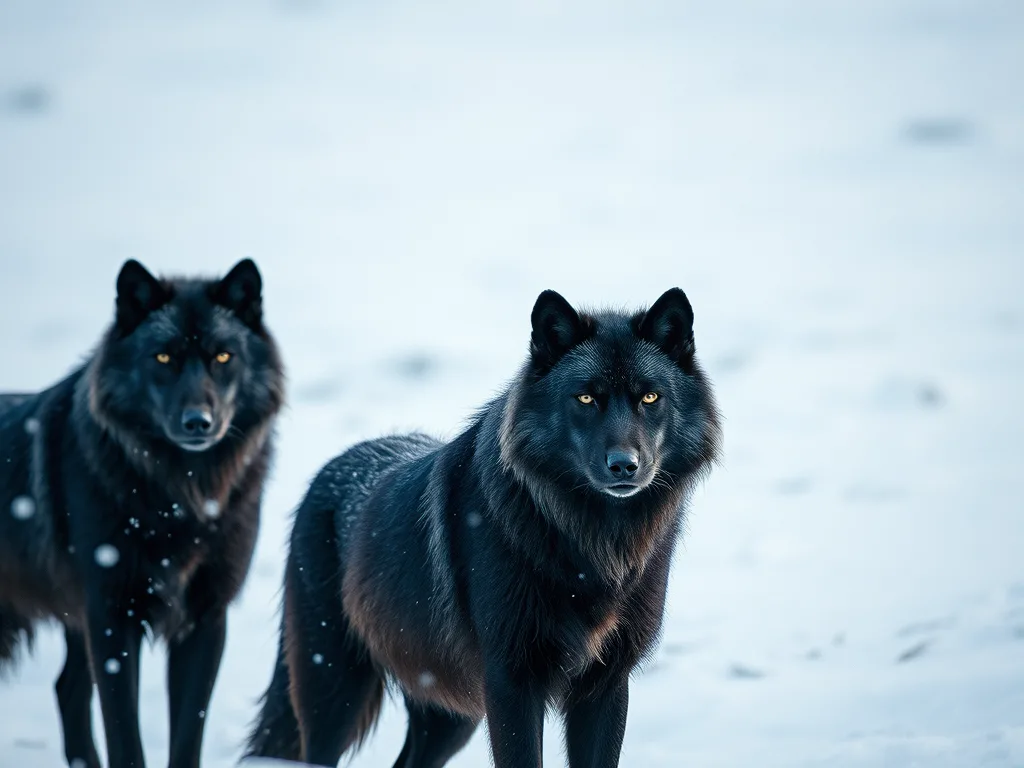
After reading a post the other day about wolf management in Alberta, and it hit on something hunters have been saying for years: every time wolves come up, someone yells “cruelty,” but nobody seems interested in the actual biology. Wolves up there aren’t endangered or on the brink—they’re doing just fine. That is exactly why they are managed like other wildlife, as furbearers, specifically, with regulated seasons and clear rules. The real issue isn’t wolves existing; it’s balance. When caribou, moose, and deer herds are already stressed from habitat loss, even normal predation can keep them from bouncing back. Alberta biologists have the data to prove it, and targeted wolf management has helped in places where prey populations were stuck. It’s not a wipe-them-out plan—it’s one tool in a much bigger conservation toolbox.
The post goes on to state that what really gets skipped in the outrage cycle is reality: predators don’t punch a time clock. If hunting stops, wolves don’t suddenly stop hunting—what stops is human involvement, data collection, and accountability. And lately, the conversation has shifted from being anti-hunting to straight-up anti-hunter, where the science gets ignored, and the people doing the work get attacked instead. As a hunter, the answer isn’t screaming back online—it is doing things right. Just as Boone and Crockett promotes on their website, fair chase, ethics, and science still matter. If conservation is actually the goal, predator management has to stay on the table, because you can’t take care of deer, moose, and caribou while pretending the other half of the ecosystem doesn’t exist.
This same conversation hits close to home in Montana, where wolves are also well established and actively managed through regulated hunting seasons overseen by Montana Fish, Wildlife & Parks. Like Alberta, Montana doesn’t manage wolves because they’re disappearing—it manages them because they’re thriving. Elk, deer, and moose herds matter here, and when prey populations are stressed by habitat loss or harsh winters, unchecked predation can stall recovery. Wolf hunting in Montana isn’t about punishment or politics; it is about keeping predator and prey in balance using real data, real monitoring, and real accountability…science. Wolves don’t vanish when hunting stops—management does—and Montana’s approach recognizes that conservation only works when every piece of the ecosystem is actually managed.
What are your thoughts?
Montana's outdoor week, in your inbox at 7am Friday.