
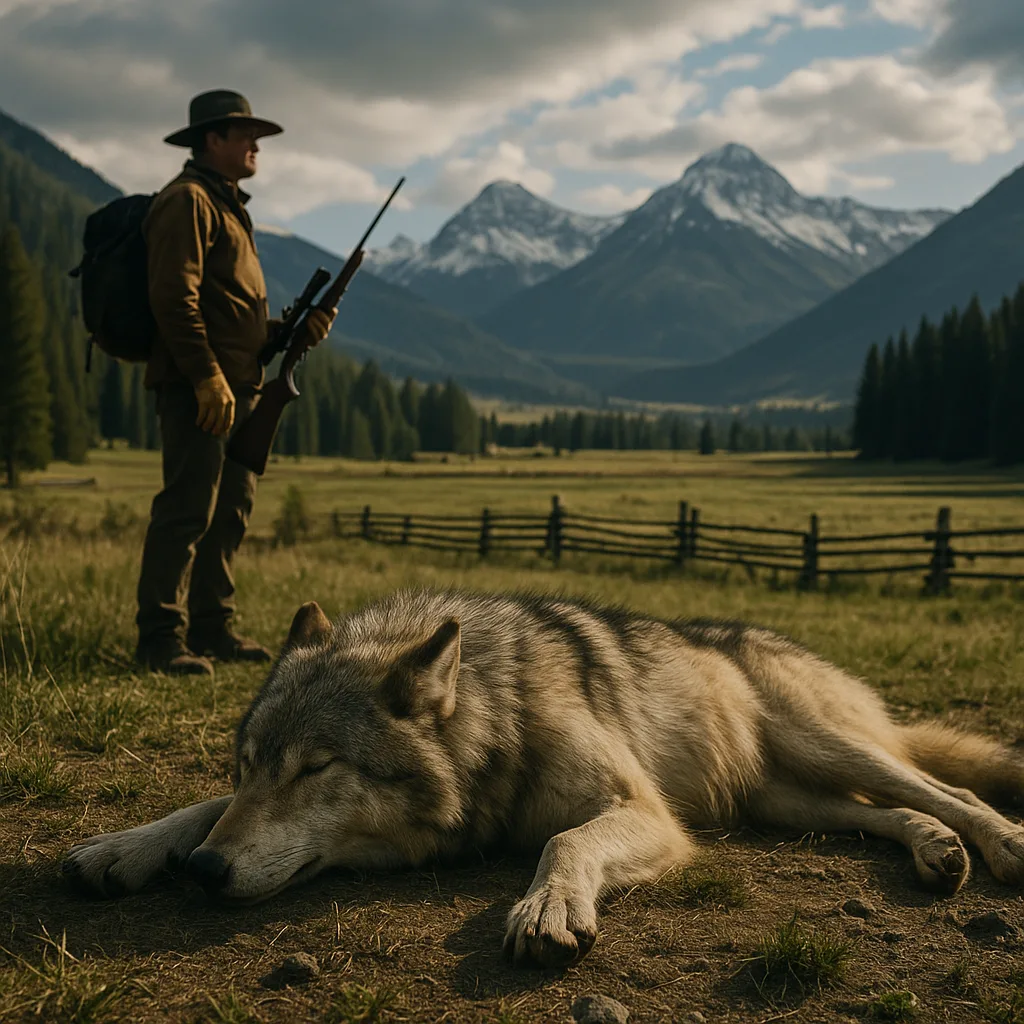
News of a prominent Yellowstone wolf’s illegal killing has reverberated through Montana’s wildlife community, raising questions about the future of wolf management, ethical hunting, and the complex relationship between national parks and neighboring lands.
Quick Takeaways
- Reports indicate a well-known Yellowstone wolf was illegally killed just outside park boundaries.
- The incident has sparked a federal and state poaching investigation.
- The wolf belonged to a high-profile pack closely monitored by researchers and tourists.
- This event renews debate over wolf protections and hunting regulations in Montana.
The Incident: What Happened?
According to a recent statement from MFWP, a member of one of Yellowstone National Park’s notable wolf packs was found dead outside park boundaries. The animal, described by some as a ‘rising star’ due to its frequent sightings and scientific interest, was reportedly killed illegally. Law enforcement agencies, including the National Park Service and Montana’s Department of Fish, Wildlife & Parks, have launched an active poaching investigation.
While details remain limited due to the ongoing nature of the case, authorities are seeking public assistance for information that could lead to the responsible party. The incident has drawn strong reactions from conservationists, hunters, outfitters, and ranchers alike, all of whom have a stake in how wolf populations are managed and protected in the region.
Yellowstone Wolves: A Montana Legacy
Yellowstone’s wolf packs have been at the heart of Montana’s wildlife story since their reintroduction in the mid-1990s. These animals are not only vital to the park’s ecosystem, balancing prey populations and creating a cascade of ecological benefits, but they also cross invisible boundaries into Montana’s wild country.
- Research: Yellowstone wolves are among the most studied in the world, with biologists tracking their movements, health, and interactions.
- Tourism: Wolf watching draws thousands of visitors to Montana each year, supporting local businesses and outfitters.
- Hunting & Ranching: Outside park boundaries, wolves may be legally hunted or trapped under Montana regulations, but poaching remains illegal and can undermine carefully crafted management plans.
The Challenge of Managing Wide-Ranging Wildlife
Wolves, by their nature, roam vast territories that often stretch well beyond Yellowstone’s borders. This creates a patchwork of rules, with federal protections inside the park and state-managed hunting seasons outside. The transition from protected to managed status can happen in a matter of steps for a wolf crossing an imaginary line.
Montana’s wolf regulations are designed to balance conservation, livestock protection, and hunting interests. However, illegal killings complicate those efforts and can destabilize packs that have been observed for decades. The loss of a single animal, especially one with a known history, can ripple through both the ecosystem and the communities that value these animals—scientifically, culturally, and economically.
What This Means for Montana
This recent incident is more than just another case in a long-running debate; it’s a reminder of the delicate balance Montana must maintain. Here’s what’s at stake:
- Wildlife Watching: Wolves are a top draw for visitors, and the loss of a well-known individual can impact tourism and local economies.
- Hunter Ethics: Most hunters in Montana respect legal boundaries and seasons, but poaching undermines the reputation of the broader hunting community and can lead to stricter regulations.
- Ranching Concerns: Wolves can threaten livestock, and legal management tools are in place for ranchers. Illegal killings, however, risk further polarizing the debate and may complicate efforts to find workable solutions.
- Conservation Policy: High-profile poaching cases amplify calls for changes to wolf management near park borders, with some advocating for stricter buffer zones or increased penalties for violations.
Community Reactions and Next Steps
Across Montana, reactions to the poaching range from anger to frustration to renewed calls for dialogue. Conservation groups are urging swift action and stronger protections for wolves near the park. Some hunting organizations have also condemned the illegal act, noting that it damages the tradition of ethical, fair-chase hunting.
Montana’s wildlife managers will likely face increased scrutiny as the investigation unfolds. Finding the perpetrator is only part of the challenge; charting a course that respects diverse viewpoints—hunters, ranchers, wildlife advocates, and business owners—will take careful policy work and community engagement.
Staying Informed and Involved
Montanans who care about the future of wolves and the integrity of the state’s wildlife traditions can stay involved by:
- Reporting suspicious activity to Montana Fish, Wildlife & Parks or the National Park Service.
- Participating in public meetings and commenting on proposed changes to hunting regulations or buffer zones.
- Supporting ethical hunting, ranching, and wildlife-watching practices that benefit all Montanans.
As the investigation continues, the spotlight will remain on Yellowstone’s wolves and the role Montana plays in their story. Regardless of the outcome, this case reminds us all that managing wide-ranging wildlife is a responsibility that transcends boundaries—real or imagined.
Inspiration: “yellowstone national park” – Google News (link)
Montana's outdoor week, in your inbox at 7am Friday.